Acting
No biography available.
In the carefree days before World War I, introverted Austrian author Jules strikes up a friendship with the exuberant Frenchman Jim and both men fall for the impulsive and beautiful Catherine.
Depressed Alain Leroy leaves the clinic where he was detoxified. He meets friends, acquaintances and women, trying to find a reason to continue living.
A history of the French Revolution beginning from the decision of the king to convene the Etats-Generaux in 1789 in order to deal with France's debt problem. Part one spans the event until August 10, 1792 (when the King Louis XVI lost all authority and was imprisoned). Part two carries the story through the end of the terror in 1794.
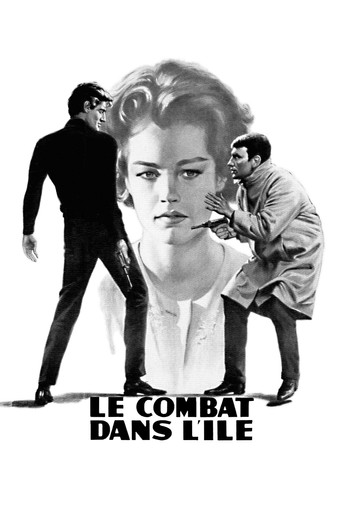
The charismatic, surly son of a wealthy industrialist, Clément, leads a double life as a member of a right-wing extremist organization. When he’s ratted out after a failed assassination attempt on a prominent politician, Clément and his long-suffering wife Anne flee Paris to the idyllic country home of his childhood friend, pacifist print-maker Paul. As affection blossoms between Paul and Anne, the emotional, as well as political tensions, soar and eventually explode.
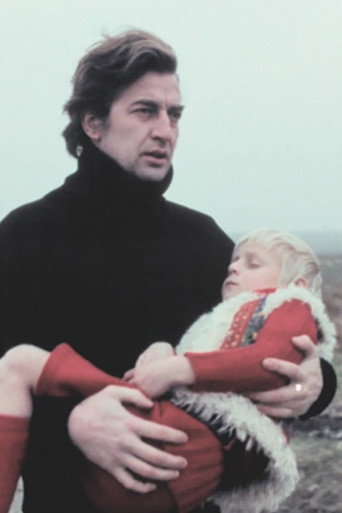
The journey of initiation of a man and his lifeless child, from the anonymous crowds of Paris to the banks of the Oise, reinvented in the style of the Styx.
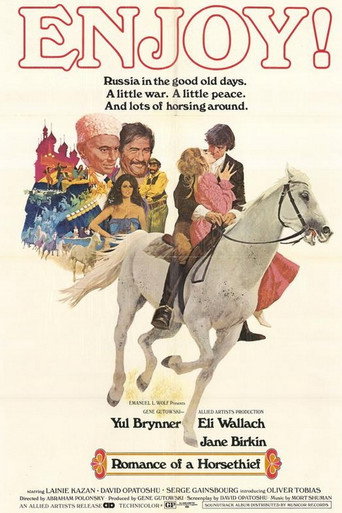
Since time immemorial, the simple-minded boisterous people of Malava, a small Polish town near the border of imperial Russia, have lived on horse-stealing, horse-trading and horse-smuggling. Life changes abruptly when a Russian garrison, commanded by Captain Stoloff, occupies the town and, in the name of the Czar, requisitions all the horses for the Russian-Japanese War. With no more horses to steal, Kifke cannot afford to marry Estusha and all the young men in the village are likely to be incorporated into the Russian army. This state of affairs cannot continue and Zavill will take care of things.
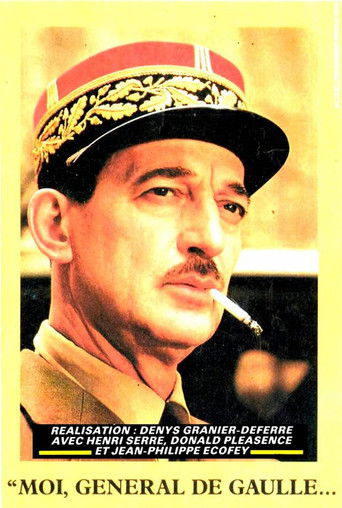
The first fiction film about de Gaulle. At the origin of the adventure, there is a script commissioned in 1942 from William Faulkner. It lacked the end of the story, and the view of the French of today. The destinies of the great and the small intersect, without meeting. Epics live on dreams as much as on reality.
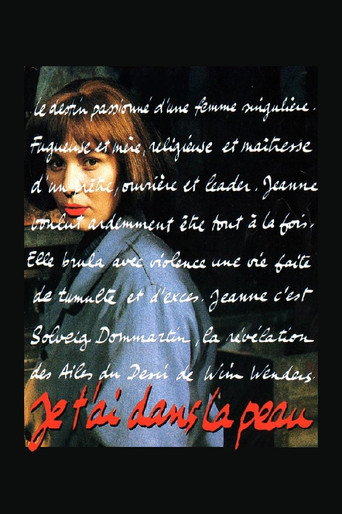
Jeanne is a woman who is driven by her very active conscience. She attempts to assuage her idealistic bent by trying out life as a nun, but this doesn't work out. After she leaves the convent, she takes a job at a factory, where the callousness of management spurs her to become a labor activist. Her efforts are marked by great persistence and fervor, but she lacks any kind of diplomacy or persuasiveness, and as the years progress, she manages to alienate everyone in her life. By the end of the film, there is only one way that she can see to resolve the horrible situation she finds herself in.
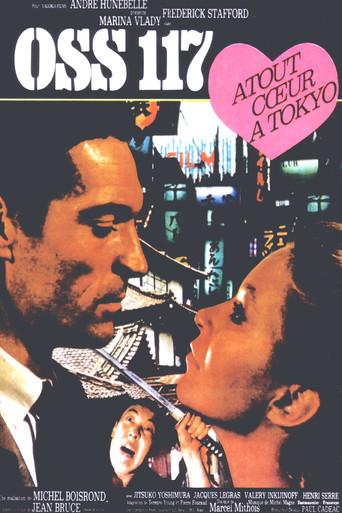
After an American Navy base is annihilated by a secret weapon, Agent OSS 117 is sent to Japan to investigate the organization that's claiming responsibility, and threatening the US with another attack, if they don't pay.