Henri Salvador Movies, TV Shows, and Filmography
Henri Salvador
Acting
Biography
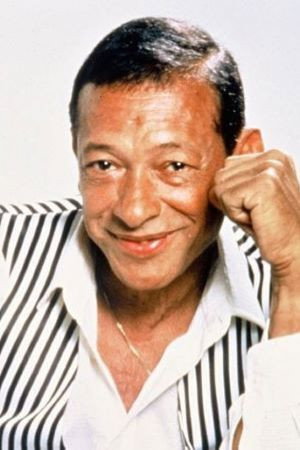
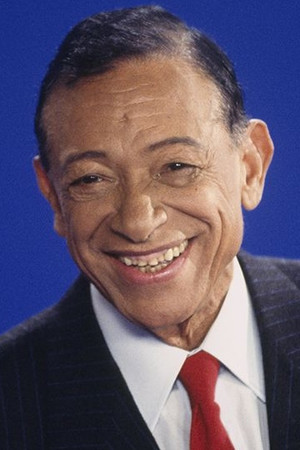
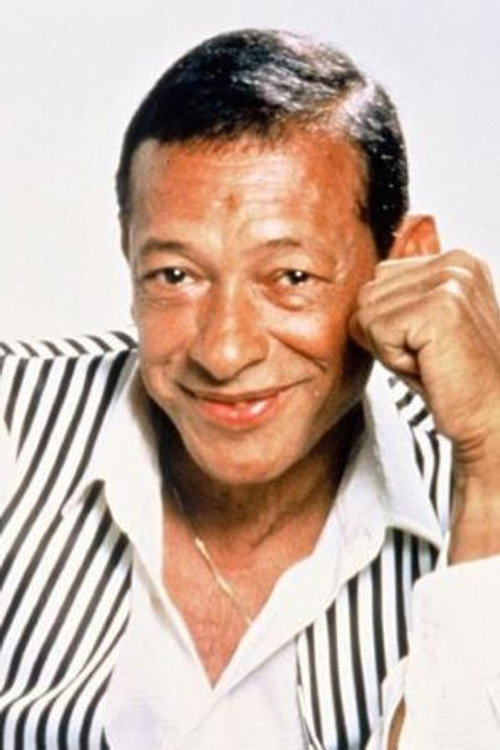
Henri Salvador (18 July 1917 – 13 February 2008) was a French Caribbean comedian, singer and cabaret artist. Salvador was born in Cayenne, French Guiana. His father, Clovis, and his mother, Antonine Paterne, daughter of a native Carib Indian, were both from Guadeloupe, French West Indies. Salvador had a brother, André, and a sister, Alice. He began his musical career as a guitarist accompanying other singers. He had learned the guitar by imitating Django Reinhardt's recordings, and was to work alongside him in the 1940s. Salvador recorded several songs written by Boris Vian with Quincy Jones as arranger. He played many years with Ray Ventura and His Collegians where he used to sing, dance and even play comedy on stage. He also appeared in movies including Nous irons à Monte-Carlo (1950), Nous irons à Paris (Jean Boyer's film of 1949 with the Peters Sisters) and Mademoiselle s'amuse (1948). He is known to have recorded the first French rock and roll songs in 1957 written by Boris Vian and Michel Legrand — "Rock'n Roll Mops", "Rock hoquet, Va t'faire cuire un oeuf, man" and "Dis-moi qu'tu m'aimes rock" — under the artist name of Henry Cording (a play on the word "Recording"). Despite this historical aspect, he never ceased to claim that he disliked rock and roll and even refused to talk about this subject later on. In the 1960s, Salvador was the host of several popular television variety shows on French TV. In 1964, he scored a hit with "Zorro est arrivé", which was adapted from The Coasters' U.S. hit "Along Came Jones". He is also famous for his rich, catchy laugh, which is a theme in many of his humorous songs. In 1969, Henri Salvador recorded a variation of "Mah Nà Mah Nà" entitled "Mais non, mais non" ("But No, But No" or "Of Course Not, Of Course Not"), with lyrics he had written in French to Piero Umiliani's music. Henri Salvador and his song "Dans mon île" (1957) were thought to be an influence on Antônio Carlos Jobim in formulating the Brazilian bossa nova style. Famous Brazilian composer and singer Caetano Veloso made Henri Salvador famous to Brazilian audiences with the song "Reconvexo", in which he says "quem não sentiu o swing de Henri Salvador?" ("who hasn't felt the swing of Henri Salvador?"). Veloso also recorded a version of Salvador's song "Dans mon île". At the age of 70, Salvador was the voice-over of the crab Sebastian in the 1989 French dubbing of Disney's The Little Mermaid. Recordings of "Embrasse-la" ("Kiss the Girl") can be found on YouTube. Salvador discovered singers Keren Ann and Art Mengo. He died of a ruptured aneurysm at his home in the early hours of 13 February 2008. He was 90 years of age. He was buried next to his wife Jacqueline in Père-Lachaise Cemetery. He was known as a supporter of Paris Saint-Germain F.C. He obtained four seats for life in the Parc des Princes. ... Source: Article "Henri Salvador" from Wikipedia in English, licensed under CC-BY-SA.
Filmography Movies
Acting

Face B comme bossa, l'autre histoire d'Henri Salvador
Émilie Jolie
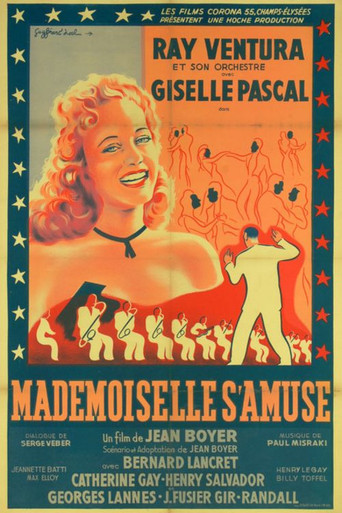
Mademoiselle Has Fun
Christine, the daughter of a rich American, acquires from her father the jazz band of Ray Ventura who will be made responsible for accompanying her from morning till evening wherever she goes. From an endless number of amusing situations, the fiancée of the girl despairs. But soon the musicians rebel in in the face of the requirements of their patroness. More than a job, it is for them misery. Christine excuses them and she goes back to America with her band. Things go bad, degenerate, but the kindness of the musicians and the firmness of the fiancée of Christine really quiet down the moods of the young woman .
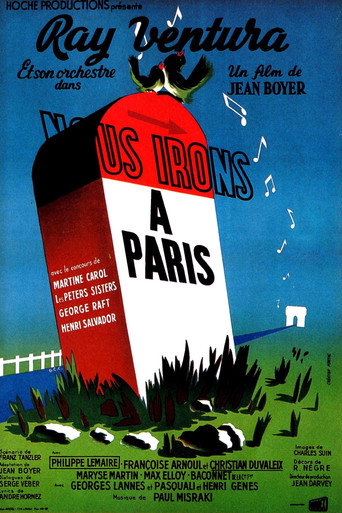
We Will All Go to Paris
The film tells the story of three presenters on Radio X, an amateur clandestine radio station.
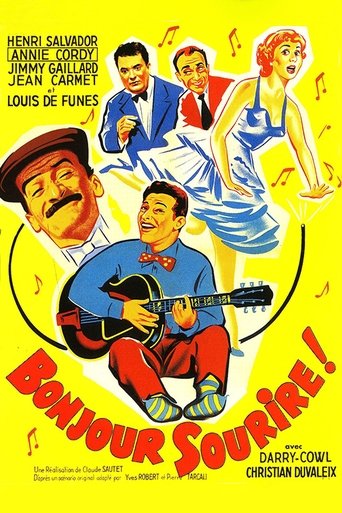
Hello Smile!
A Prime Minister kidnaps three comedians from Paris to make a frowning princess smile for a royal photo, all while secretly dealing with a prisoner hunger strike. The King remains unaware of his mischievous plan.
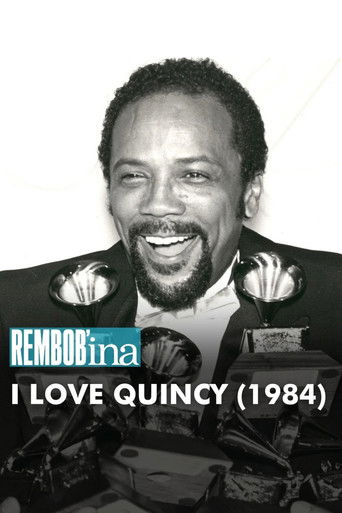
I Love Quincy
Documentary profile of musician and producer Quincy Jones
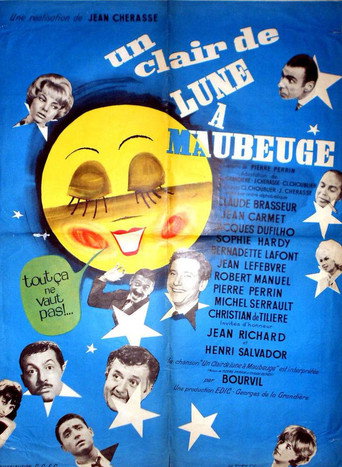
Un clair de Lune à Maubeuge
Paul, a friendly Parisian cab driver, has two loves: music and his fiancée Virginie. After graduating from the Conservatoire with a first prize, he lives on hope, offering his classical works to publishers. One day, while driving customers to the races, he plays a "toquard": Maubeuge, who wins. With his friends, he celebrates the event and, for dessert, composes a song for the occasion: "Tout ça ne vaut pas un clair de lune à Maubeuge". Monique, a secretary at the radio station and one of the guests, had a record made of the tape recording. And this record, following a mistake, was broadcast on a religious music program. It's a runaway success: for Paul, it's fame and fortune. which he had obviously coveted, but more with his symphonies, opera and sonatas. No matter, the "Clair de lune à Maubeuge" (Moonlight in Maubeuge) allows two happily engaged couples to become happily married.
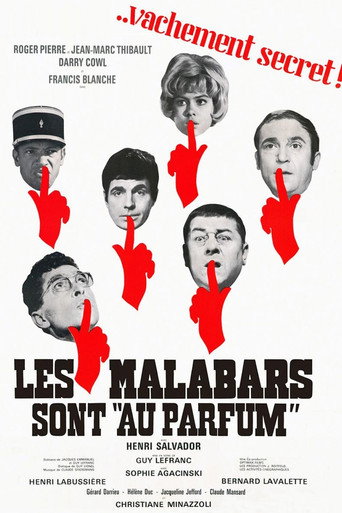
Les malabars sont au parfum
All sorts of spies are buzzing around Michel, whose cow, Dorothée, produces 200 liters of milk a day thanks to a treatment of his own invention. Dorothée is kidnapped and found. But now everyone disowns her. No matter! Dorothée's productivity will enrich Michel and his wife Nicole, who have opened a rotisserie; milk cocktails are in fashion.
La TV des 70's : Quand Giscard était président
In May 1974, Valéry Giscard d'Estaing became President of the Republic and wanted to bring about a new era of modernity. One of his first decisions was to break up the ORTF with the creation of three new television channels: TF1, Antenne 2 and FR3. Three new public channels but autonomous and competing. It is a race for the audience which is engaged then, and from now on the channels will make the war! This competition will give birth to a real golden age for television programs, with variety shows in the forefront. The stars of the song are going to invade the living rooms of the French for their biggest pleasure. This unedited documentary tells the story of the metamorphosis of this television of the early 1970s, between freedom of tone, scandals, political intrigues and programs that have become mythical.
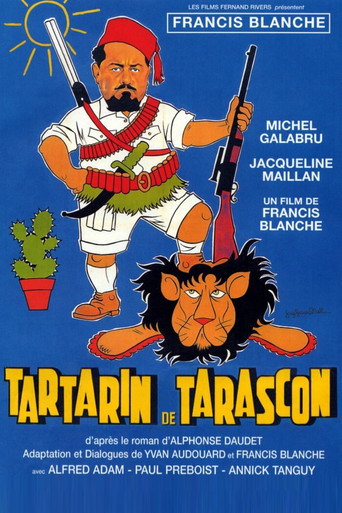
Tartarin de Tarascon
A well-to-do bourgeois, Tartarin lives in Tarascon, a small southern town, among friends who, like him, love hunting "à la casquette", gossip, aperitifs and thought-provoking journeys. Imaginative like all his compatriots, Tartarin ended up believing he had once been to Shanghai, so fervently did he recount his illusory adventures. It was even rumored that Tartarin was about to leave for Africa to hunt wild beasts, and this was so insistent that the brave man, urged on by his friends, was forced "for the sake of honor" to embark. He arrives in Casablanca, surprised to discover a modern city and not a single lion. But a charming Moorish woman, Baïa, seduces him, and Tartarin indulges in the "delights of Capua". This euphoria is short-lived: Baïa disappears, a false prince, mostly a swindler, finds a replacement and sets off on a hunting expedition in southern Morocco, which will only earn Tartarin the loss of his savings and a blind old lion dragged along by two beggars.
Gallery