Henri-Georges Clouzot Movies, TV Shows, and Filmography
Henri-Georges Clouzot
Writing
Biography
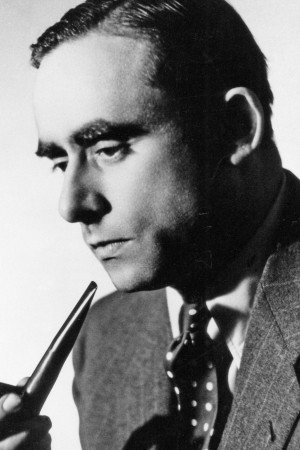
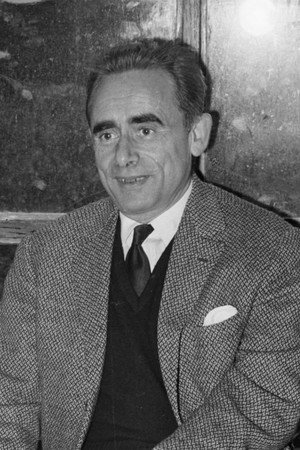
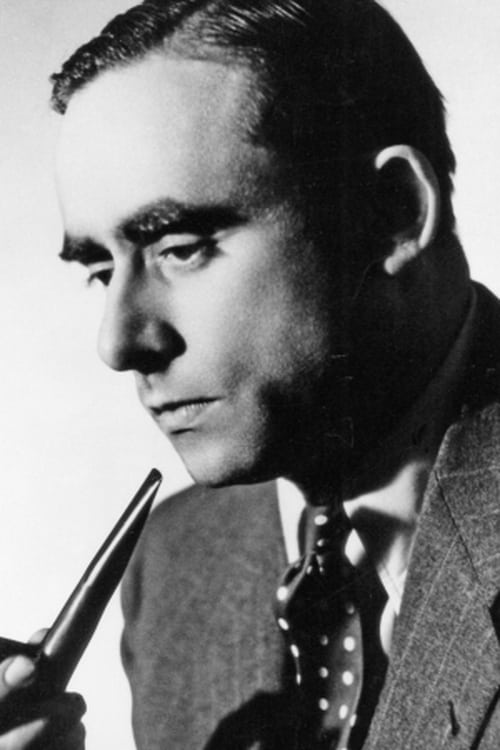
Henri-Georges Clouzot (August 18, 1907 – January 12, 1977) was a French film director, screenwriter and producer. He is best remembered for his work in the thriller film genre, having directed The Wages of Fear and Les Diaboliques, which are critically recognized to be among the greatest films from the 1950s. Clouzot also directed documentary films, including The Mystery of Picasso, which was declared a national treasure by the government of France. Clouzot was an early fan of the cinema and, desiring a career as a writer, moved to Paris. He was later hired by producer Adolphe Osso to work in Berlin, writing French-language versions of German films. After being fired from German studios due to his friendship with Jewish producers, Clouzot returned to France, where he spent years bedridden after contracting tuberculosis. Upon recovering, Clouzot found work in Nazi occupied France as a screenwriter for the German-owned company Continental Films. At Continental, Clouzot wrote and directed films that were very popular in France. His second film Le Corbeau drew controversy over its harsh look at provincial France and Clouzot was fired from Continental before its release. As a result of his association with Continental, Clouzot was barred by the French government from filmmaking until 1947. After the ban was lifted, Clouzot reestablished his reputation and popularity in France during the late 1940s with successful films including Quai des Orfèvres. After the release of his comedy film Miquette et sa mère, Clouzot married Véra Gibson-Amado, who would star in his next three feature films. In the early and mid-1950s, Clouzot drew acclaim from international critics and audiences for The Wages of Fear and Diabolique. Both films would serve as source material for remakes decades later. After the release of La Vérité, Clouzot's wife Véra died of a heart attack and Clouzot's career suffered due to depression, illness and new critical views of films from the French New Wave. Clouzot's career became less active in later years, limited to a few television documentaries and two feature films in the 1960s. Clouzot wrote several unused scripts in the 1970s and died in Paris in 1977. Description above from the Wikipedia article Henri-Georges Clouzot, licensed under CC-BY-SA, full list of contributors on Wikipedia
Filmography Movies
Acting
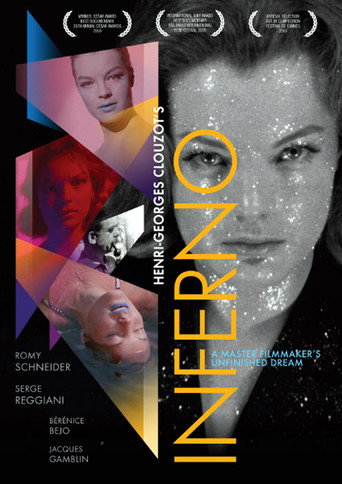
Henri-Georges Clouzot's Inferno
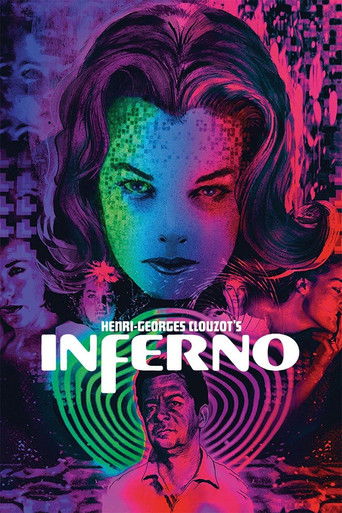
In 1964, Henri-Georges Clouzot's production of L'Enfer came to a halt. Despite huge expectations, major studio backing and an unlimited budget, after three weeks the production collapsed. This documentary presents Inferno's incredible expressionistic original rushes, screen tests, and on-location footage, whilst also reconstructing Clouzot's original vision, and shedding light on the ill-fated endeavor through interviews, dramatizations of unfilmed scenes, and Clouzot's own notes.
Carl Th. Dreyer und Gertrud
Documentary about Carl Theodor Dreyer and his film Gertrud.
Carl Th. Dreyer
A documentary about the famous Danish film director Carl Th. Dreyer, made a few years before he died. In this film Dreyer tells about the style in his feature films and about the important things in film making: the script and the casting. He tells about his theories about setting and acting.
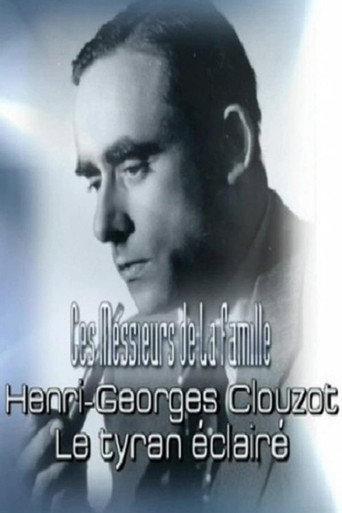
Henri-Georges Clouzot: An Enlightened Tyrant
Documentary about the life and career of French director Henri-Georges Clouzot.
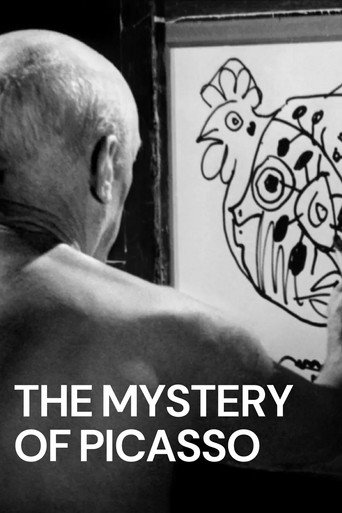
The Mystery of Picasso
Using a specially designed transparent 'canvas' to provide an unobstructed view, Picasso creates as the camera rolls. He begins with simple works that take shape after only a single brush stroke. He then progresses to more complex paintings, in which he repeatedly adds and removes elements, transforming the entire scene at will, until at last the work is complete.
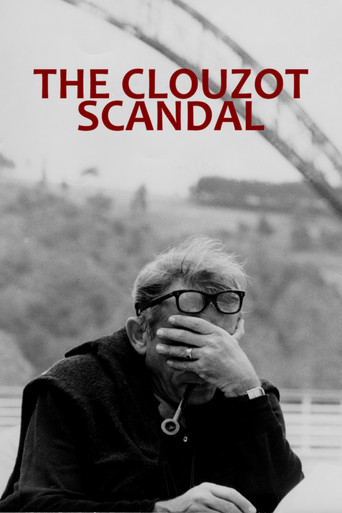
The Clouzot Scandal
Great filmmakers claim the artistic influence of French director Henri-Georges Clouzot (1907-1977), a master of suspense, with a unique vision of the world, who knew how to offer both great shows and subtle studies of characters. Beyond the myth of the tyrannical director, a contrasting portrait of a visionary, an agitator, an artist against the system.
They Saw Inferno
A wonderful documentary that sheds additional light on the fascinating project ‘Inferno’ was, as well as how those who were involved with it reacted to it during the shooting process. A riveting adjunct to the main feature, offering a glut of interviews with various people associated with the production, and presenting quite a bit more production data, as well as some unseen footage from Clouzot's shoot.
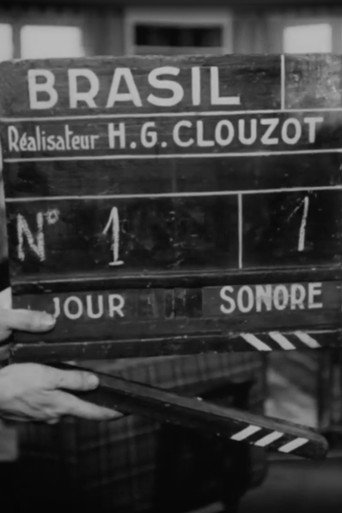
Brasil
Abandoned documentary on the country Brazil which director Clouzot wanted to make while on honeymoon with his wife Véra Clouzot whose of Brazilian origin. Only an introductionary section set in Paris was ever filmed.
1940: Taking over French Cinema
Paris, 1940. German occupation forces create a new film production company, Continental, and put Alfred Greven – producer, cinephile, and opportunistic businessman – in charge. During the occupation, under Joseph Goebbels’s orders, Greven hires the best artists and technicians of French cinema to produce successful, highly entertaining films, which are also strategically devoid of propaganda. Simultaneously, he takes advantage of the confiscation of Jewish property to purchase film theaters, studios and laboratories, in order to control the whole production line. His goal: to create a European Hollywood. Among the thirty feature films thus produced under the auspices of Continental, several are, to this day, considered classics of French cinema.
Bardot, The Misunderstanding
An intimate portrait of Brigitte Bardot, the great French actress of the 1960s and 1970s who worked with leading directors such as Henri-Georges Clouzot and Jean-Luc Godard. The artist shares her family archives with us.
Production
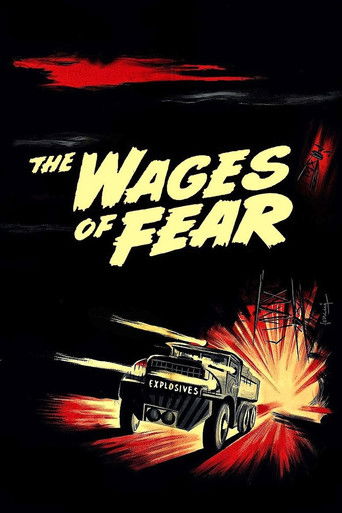
The Wages of Fear
In a run-down South American town, four men are paid to drive trucks loaded with nitroglycerin into the jungle through to the oil field. Friendships are tested and rivalries develop as they embark upon the perilous journey.
The Wages of Fear
In a run-down South American town, four men are paid to drive trucks loaded with nitroglycerin into the jungle through to the oil field. Friendships are tested and rivalries develop as they embark upon the perilous journey.
The Wages of Fear
In a run-down South American town, four men are paid to drive trucks loaded with nitroglycerin into the jungle through to the oil field. Friendships are tested and rivalries develop as they embark upon the perilous journey.
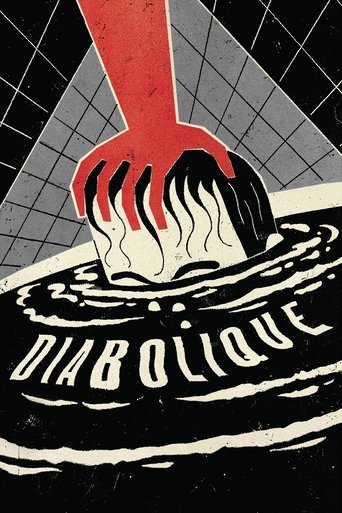
Diabolique
The cruel and abusive headmaster of a boarding school, Michel Delassalle, is murdered by an unlikely duo -- his meek wife and the mistress he brazenly flaunts. The women become increasingly unhinged by a series of odd occurrences after Delassalle's corpse mysteriously disappears.
Diabolique
The cruel and abusive headmaster of a boarding school, Michel Delassalle, is murdered by an unlikely duo -- his meek wife and the mistress he brazenly flaunts. The women become increasingly unhinged by a series of odd occurrences after Delassalle's corpse mysteriously disappears.
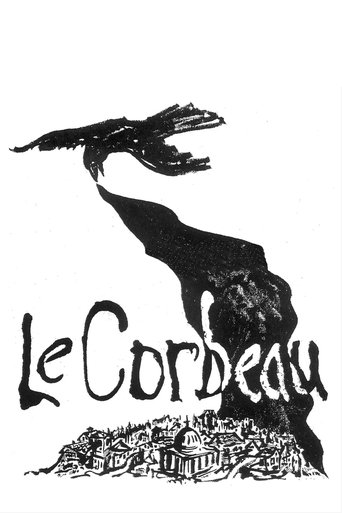
Le Corbeau
Remy Germain is a doctor in a French town who becomes the focus of a vicious smear campaign, as letters accusing him of having an affair and performing unlawful abortions are mailed to village leaders. The mysterious writer, who signs each letter as "Le Corbeau" (The Raven) soon targets the whole town, exposing everyone's dark secrets.
Le Corbeau
Remy Germain is a doctor in a French town who becomes the focus of a vicious smear campaign, as letters accusing him of having an affair and performing unlawful abortions are mailed to village leaders. The mysterious writer, who signs each letter as "Le Corbeau" (The Raven) soon targets the whole town, exposing everyone's dark secrets.
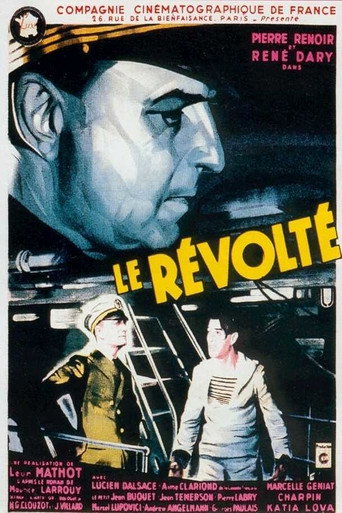
The Rebel
Pimaï, the strong-headed anarchist, joined the navy out of bravado. But the sweet influence of a young girl leads him to prove that he is worthy of the profession he has chosen and the flag he serves.
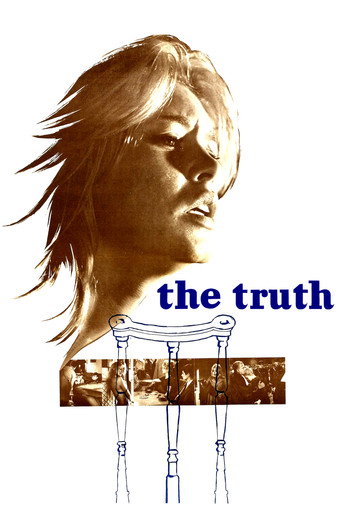
The Truth
As Dominique Marceau is being tried for the murder of Gilbert Tellier, accounts by different witnesses paint a picture of the kind of relationship the two used to share.
The Truth
As Dominique Marceau is being tried for the murder of Gilbert Tellier, accounts by different witnesses paint a picture of the kind of relationship the two used to share.
Gallery