Acting
No biography available.
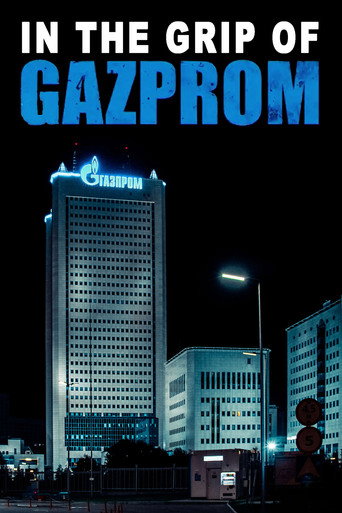
The war in the Ukraine has changed the way many European countries view Russian politics. Suddenly it became clear how dependent countries had become on Russian gas imports for decades and what Vladimir Putin was up to. However, no country needs more gas than Germany. It was only after Russia's invasion of the Ukraine that the German government realized that Russia had long used gas as a weapon to impose its will on states. The instrument created for this purpose is the natural gas production company GAZPROM. So how did Germany become so dependent on Russian gas? The documentary shows how, over several decades and several changes of government, a broad alliance of politicians and business representatives did everything possible to secure Germany's energy supply with cheap Russian gas, while the Kremlin's foreign policy became increasingly aggressive and the warnings of experts went unheeded.
The film tells the story of the everyday life of a large Italian family, the Villano family, who after returning five times to their homeland - a small village near Naples - have decided to stay in Germany forever.
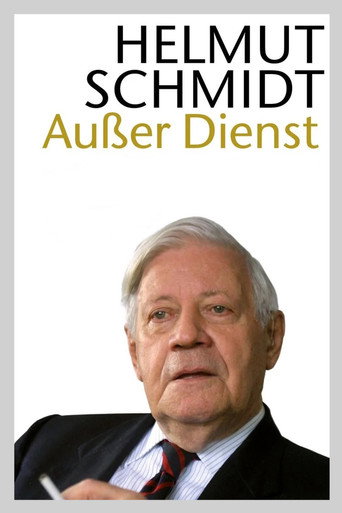
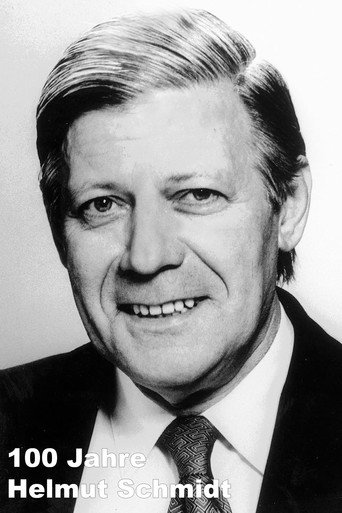
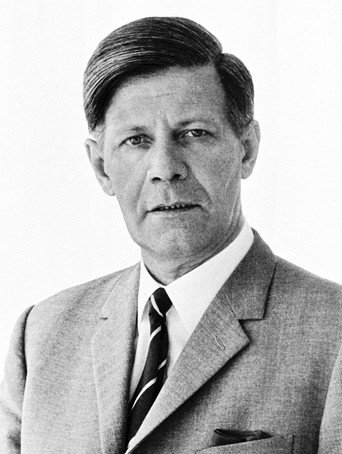
For over four years, Sandra Maischberger and Jan Kerhart followed Helmut Schmidt on his travels to America and China, observed conversations with old companions such as Henry Kissinger and at the same time repeatedly captured quite intimate moments that would otherwise usually have been covered.
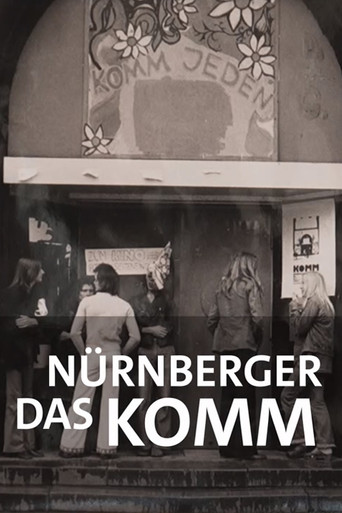
The Nuremberg communication center, known as “KOMM” for short, was a nationwide pioneer. The social, youth and cultural policy experiences of that time can be found today in countless institutions throughout Germany - in the art/cultural education work of “high culture” as well as in the self-image of open district centers and cultural offerings for all social groups.
Essay film about Europe's financial crisis.
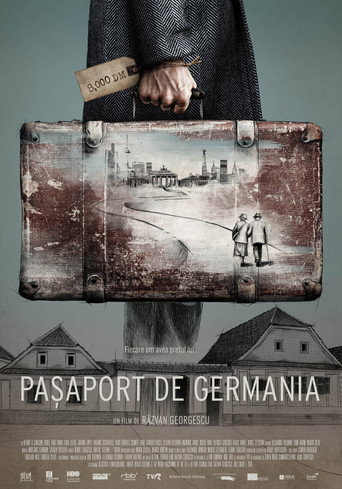
A first hand account of one of the biggest cases of human trafficking during the Cold War. A story of greed, courage, hope and remorse.
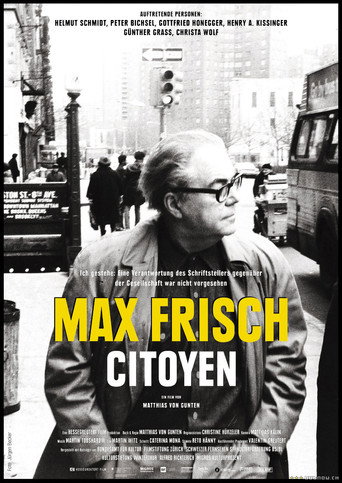
Max Frisch was the last big Swiss intellectual widely respected as a “voice” in its own right – a character hardly found today. The film retells Frisch’s story as a witness of the unfolding 20th century, wondering if such “voices” are needed at all, or if we could do without them.