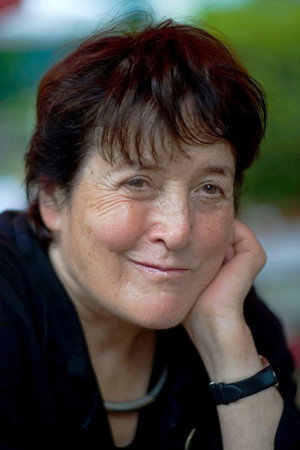
Helga Reidemeister Movies, TV Shows, and Filmography
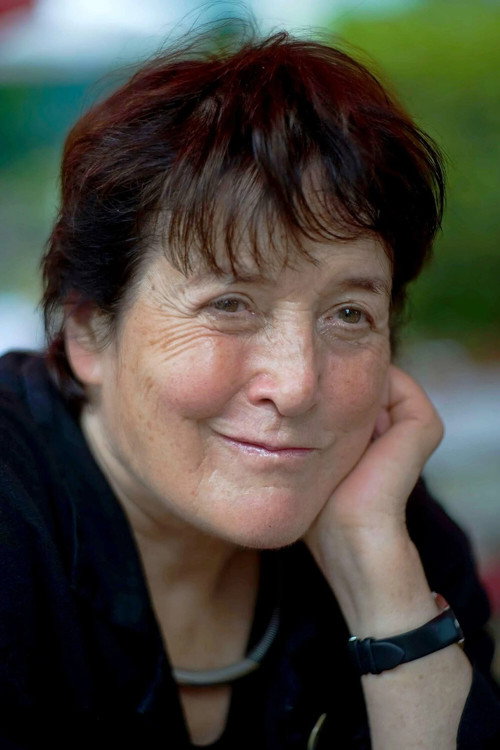
Helga Reidemeister
Directing
Biography
Helga Reidemeister was one of the most renowned documentary film directors of her generation and was very active in education. Reidemeister initially studied free painting at the Hochschule für Bildende Künste in Berlin. She then worked as a social worker in the Märkisches Viertel in Berlin from 1968 to 1973, which had a great impact on her. There she met working-class women who did not feel properly represented in the documentaries she showed them. These women motivated her to study film herself. She made several films about working-class families and the role of women. Her work also focuses on Afghanistan and the city of Berlin. She has taught at the Baden-Württemberg Film Academy since 1994 and, as a senior lecturer, was instrumental in establishing the documentary film specialization. Helga Reidemeister has also lectured at numerous other universities in Germany and abroad.
Filmography Movies
Production
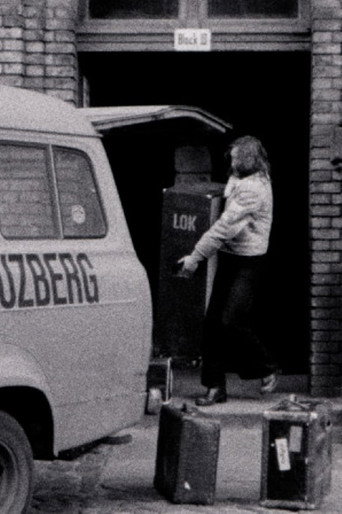
Lokomotive Kreuzberg
The Krautrock band Lokomotive Kreuzberg set itself the goal of combining music with trade union activism. From 1972 to 1977, it toured Germany with cabaret and songs such as ‘Solidaritätslied’ (The Solidarity Song) ‘Lohnpredigt’ (Wages Sermon) or ‘Geldsack’ (Moneybags). The film shows recordings of rehearsals, performances, and political discussions with the audience. The musicians describe their careers from classical music training to political rock.
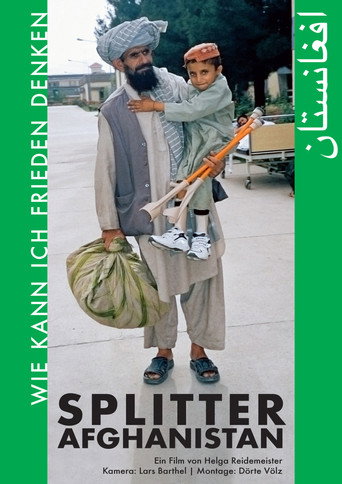
Splitter Afghanistan
In the Kabul Museum, archaeologists piece together fragments of millennia-old works of art. This endeavor seems surreal amid the destruction. The cinematically fascinating landscape is mined. How can one survive without legs? The Kabul Orthopedic Center, the focus of the film, is a place of hopes and dreams. "One leg is not enough," says its dedicated director, "you have to create prospects for life."
Splitter Afghanistan
In the Kabul Museum, archaeologists piece together fragments of millennia-old works of art. This endeavor seems surreal amid the destruction. The cinematically fascinating landscape is mined. How can one survive without legs? The Kabul Orthopedic Center, the focus of the film, is a place of hopes and dreams. "One leg is not enough," says its dedicated director, "you have to create prospects for life."
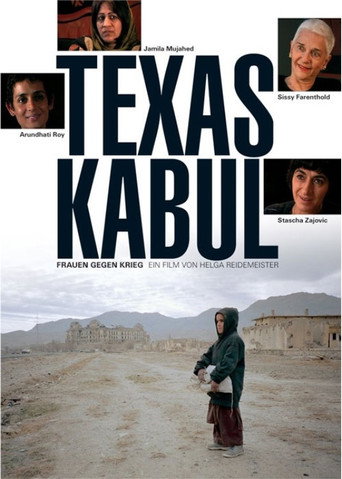
Texas - Kabul
Helga Reidemeister portrays four women from Afghanistan-Jamila Mujahed, India-Arundhati Roy, Serbia-Stasa Zajovic and the USA-Sissy Farenthold, who demonstrate their opposition to nationalism and war.
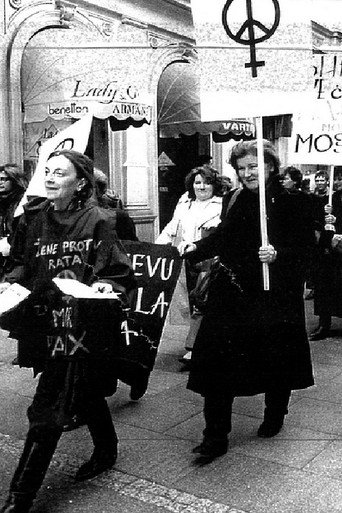
Women in Black
The “Women in Black” have been protesting against the Serbian regime's war policy in the center of Belgrade for five years - in black clothing, silently and with banners. They support deserters from all former Yugoslav republics, organize aid campaigns for refugees and publish books and their own magazine. The film portrays some of these strong personalities in the form of travel notes, beginning with the last international congress of the “Women in Black” in the summer of 1996 and ending with the large demonstrations in Belgrade in the winter of 1996/97.
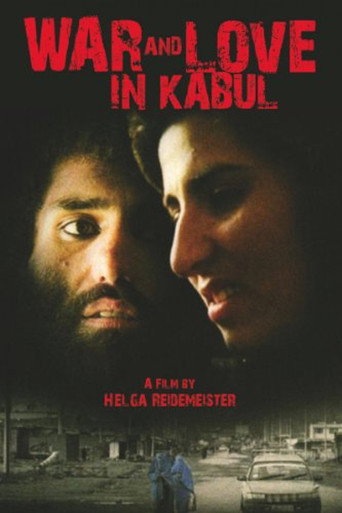
Mein Herz sieht die Welt schwarz - Eine Liebe in Kabul
Hossein and Shaima have loved each other since childhood. As teenagers they were separated by war. They meet again in Kabul in the late 90s. Poverty forces Hossein to fight in the war. A shell splinter leaves him paralyzed. Shaima is sold into marriage with a man 40 years her senior and falls pregnant. Since Shaima's husband still owes half the dowry to her father he brings her back into the constraining patriarchal fold of the family, where she lives with her 5-year-old daughter. This situation doesn't prevent the two from seeing each other, even though this means going against their families' hard rules. In constant fear of revenge on the part of the male members of both families, they struggle to hold on to their love.
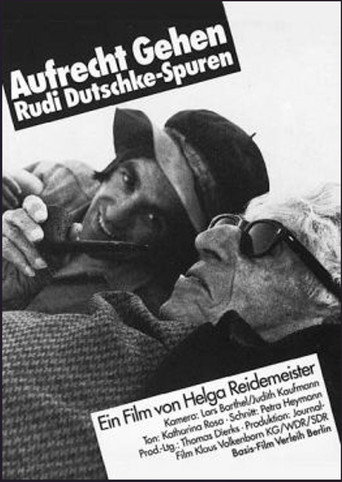
Aufrecht gehen. Rudi Dutschke - Spuren
Portrait of the spokesman of the student movement and extra-parliamentary opposition Rudi Dutschke, who died on December 24, 1979 from the late effects of an assassination attempt. The film is not limited to the mere biography of the extra-parliamentary politician, but also depicts the political environment as well as the late effects of the student movement. In retrospect, it condenses into a picture of a highly politicized society that had not yet begun its retreat into the private sphere.
Aufrecht gehen. Rudi Dutschke - Spuren
Portrait of the spokesman of the student movement and extra-parliamentary opposition Rudi Dutschke, who died on December 24, 1979 from the late effects of an assassination attempt. The film is not limited to the mere biography of the extra-parliamentary politician, but also depicts the political environment as well as the late effects of the student movement. In retrospect, it condenses into a picture of a highly politicized society that had not yet begun its retreat into the private sphere.
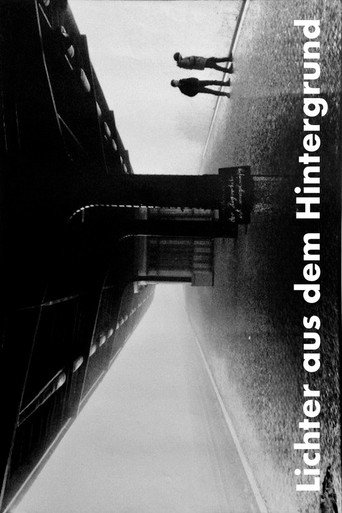
Lights from Afar
Berlin, the German capital again, a few years after the fall of the Wall. The city in upheaval is also changing the lives of its inhabitants. A young photographer experiences these changes as a rupture, he looks into an unclear, unsettling future and increasingly feels like a stranger in his old city. He and his friends from the generation of the children of the Wall try to find a new identity without losing the old one. Young artists who fail the profitability test of the market economy. In his search, Robert Paris ends up far away, in India. Back in Berlin, he started developing photos again - the first in years...
Lights from Afar
Berlin, the German capital again, a few years after the fall of the Wall. The city in upheaval is also changing the lives of its inhabitants. A young photographer experiences these changes as a rupture, he looks into an unclear, unsettling future and increasingly feels like a stranger in his old city. He and his friends from the generation of the children of the Wall try to find a new identity without losing the old one. Young artists who fail the profitability test of the market economy. In his search, Robert Paris ends up far away, in India. Back in Berlin, he started developing photos again - the first in years...
Gallery