Acting
No biography available.
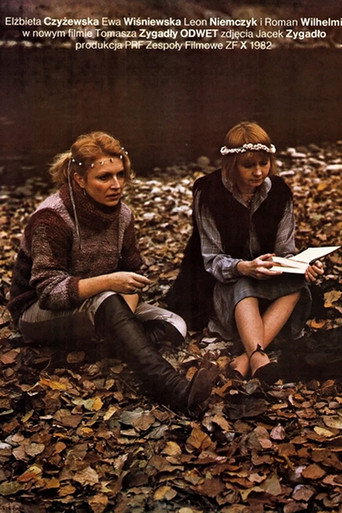
A little known episode from the life of Stalinist security police office Julia Brystiger. Her nickname Bloody Luna was a reference to her incredibly brutal methods of interrogation. In the early 1960s, she appears in a centre for the blind on the outskirts of Warsaw, a place often visited by Cardinal Wyszyński, whose imprisonment in 1953-1956 Brystiger supervised personally. During a difficult and heated discussion with the cardinal, Brystiger denounces the communist ideology and begs for forgiveness for her crimes and for guidance in her search for God.
Two old friends meet at a mountain shelter and recall their university years. Midroń and Świdrycki are mature, intelligent men, experiencing a crisis of faith in the meaning of life, in their abilities, as well as fear of death. The next day, their wives join them. Although they have not had the opportunity to get to know each other so far, they become friends very quickly.
Waldi and his three sisters live in an old villa outside the city, and their 100-year-old parents, who died a few years ago, live in the basement. The whole family enjoys shared breakfasts and warm air, so Waldi does not discover supernatural powers in himself. Then unexpected guests draw the family into a secret plan, forcing their deceased parents to launch their connections in the afterlife.
The third of six episode compilations of the TV series released theatrically, featuring episodes 5 and 7.
A western, inspired by the likes of Tarantino and Leone, set in the 1920s in the borderland between Poland and the USSR: Twin brothers plan to rob a rival Mafia style family, an instance of female empowerment in that it is run by sisters.
Jerzy Szajnowicz-Ivanov, the son of a Polish mother and a Russian father, raised in Greece, reports to the Carpathian Brigade in the spring of 1941. While the Poles are wary of him at first, he proves his worth by taking part in several sabotage actions against the Nazis.
In a series of linked stories, women navigate and challenge a dystopian future ruled by sexual duty, emotional repression, and patriarchal dominance.
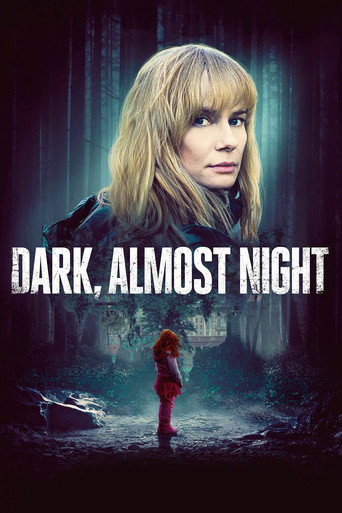
A reporter, Alicja Tabor, after many years returns to her hometown of Wałbrzych to write a report about kidnapped children and also to face her own dark family history.
A father and daughter, Michał and Anka, have a unique intimacy, which the college-aged Anka is beginning to feel conflicted about. When she finds an unopened letter from her deceased mother, it seems to justify her attraction to Michał, who may not in fact be her father.
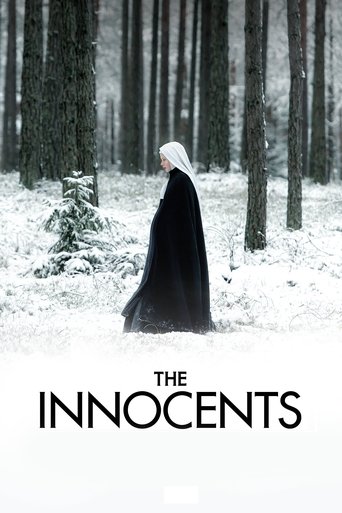
Poland, 1945. Mathilde, a young French Red Cross doctor, is on a mission to help the war survivors. When a nun seeks for her help, she is brought to a convent where several pregnant sisters are hiding, unable to reconcile their faith with their pregnancy. Mathilde becomes their only hope.