Acting
No biography available.
Wiktor Wiarecki is an unsuccessful writer. He is also not successful in his personal life: Wiktor's marriage is in crisis, and his adult son wants nothing to do with his father. The turning point is the death of his friend Wiarecki, an outstanding writer Stefan Przewłocki. A literary widow gives Wiktor the materials for the deceased's last novel.
A dying man, influenced by a neighbor in the hospital room, decides to enjoy his life.
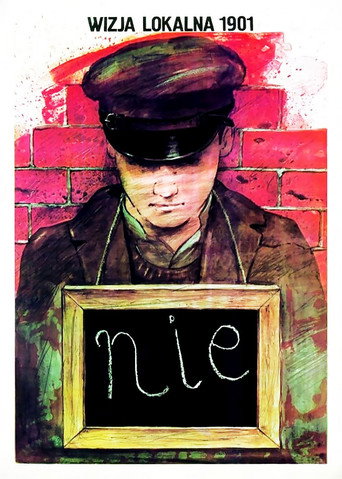
More documentary in its approach than dramatized history, this is a compelling story about a 1901 children's strike in Wrzesnia near the Polish border with Prussia. Poland was partitioned at this time, and a rigidly patriotic Prussian teacher in Wrzesnia follows the dictates of the Germans in parliament and insists that the children be taught their religion classes in German. When the children refuse to take part in the classes, they are supported by the local priest, but that does not save them from being beaten. They are also kept after school and tormented in other ways as well. Newspapers, parents, and the nation as a whole get involved, transforming a simple children's strike into a national incident.
A young woman runs away from her home to the big city, gets a job in theatre and gets involved with shady characters.
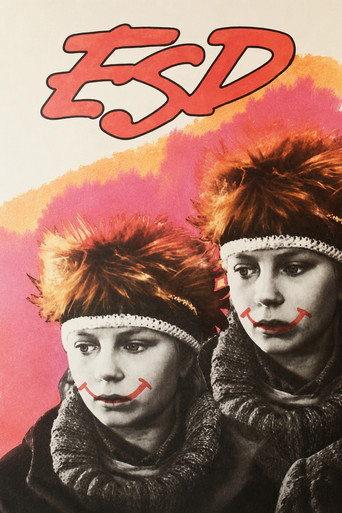
The Borejko family has four daughters — Gabriela, Ida, Natalia and Patricia. Most concern causes the red-haired Ida, whose unusual ideas often end badly, though the girl has the best intentions. Her father, who works at the university as a classical philologist, gives her the idea to found a group called ESD. They want to try out the theory that you are more successful if you send out more positive signals to the environment. Soon this theory will be put to the test. Ida's mother has to go to the hospital and the entire burden of household chores falls on the children.
Józef comes to his hometown on the anniversary of the murder of his father - a peasant activist, and explores the circumstances of his death.
Professor Borusiewicz receives a high state decoration, while family and friends await him at home.
Christmas is an occasion for four friends to summarize the previous year of their lives.
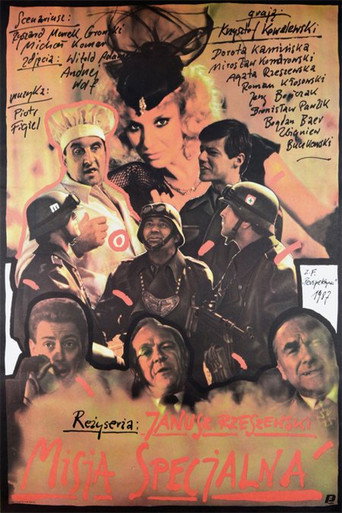
In 1943, a drunk cook is mistaken for a secret agent and sent on a special mission from London to Nazi-occupied Poland.
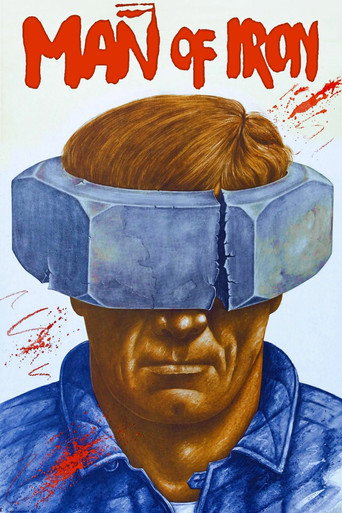
In Warsaw in 1980, the Communist Party sends disgruntled radio reporter Winkel to Gdańsk to dig up dirt on the shipyard strikers - particularly on Maciek Tomczyk, an independent labour union leader whose father was killed in the December 1970 protests. Posing as sympathetic, Winkel interviews the people surrounding Tomczyk, including his detained wife, Agnieszka.