Heino Mandri Movies, TV Shows, and Filmography
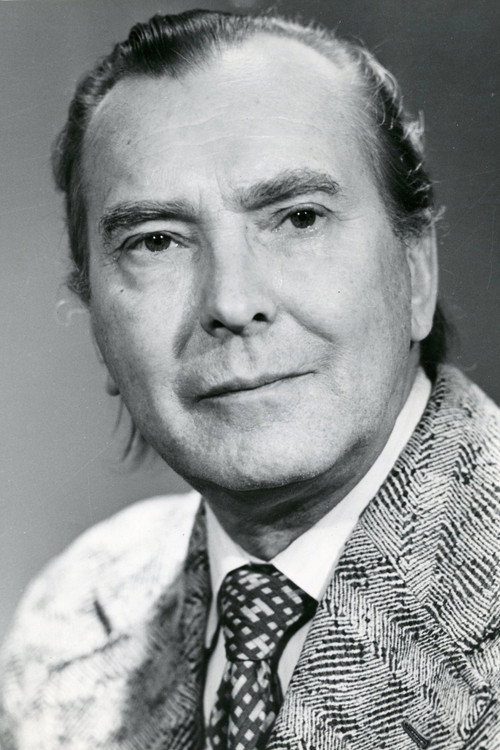
Heino Mandri
Acting
Biography
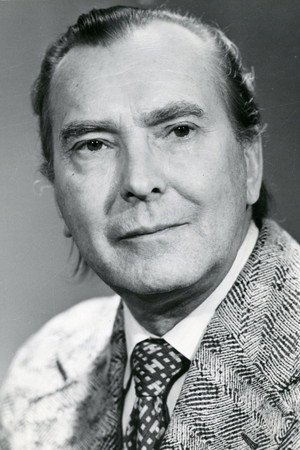
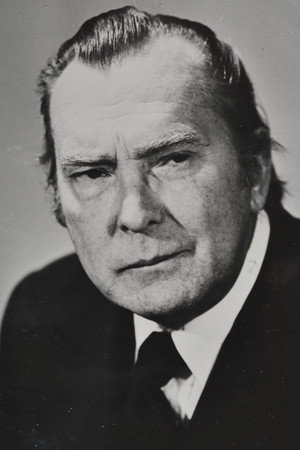
Heino Mandri (September 11, 1922 – December 3, 1990) was an Estonian film and stage actor. Heino Mandri was born in Kohtla-Järve, but his family moved to Tallinn when Mandri was two years old. In 1946, Mandri graduated in the only class of the short-lived Tallinn Theatre School (1942–1946) set up during the German occupation to carry on the work of the former State School of Performing Arts which had been liquidated during the Soviet occupation in 1940. In 1948, Mandri was accused in anti-Soviet activities and sentenced for seven years of forced labor. From 1948 to 1954 he served the sentence in the Viatlag prison camp, Lesnoy, Kirov Oblast in Northern Russia. Mandri was released in 1954 and returned to Estonia, where the Soviet authorities forbade him to get closer than 101 km to Tallinn under the 101st kilometre rule. Mandri settled in Viljandi and worked in Ugala theatre. In 1956 Mandri wrote a personal letter to the Chairman of the Presidium of the Supreme Soviet Kliment Voroshilov, after which he got his sentence retroactively shortened to five years allowing him to enter Tallinn again. During the 1970s and 1980s, Heino Mandri casually appeared on Estonian national TV delivering his lines with impeccable command of the Estonian language. In Soviet films, Heino Mandri was usually cast as characters who were officers of the Wehrmacht, German businessmen, or American spies. Heino Mandri was acquitted of all political charges and fully rehabilitated in his rights only shortly before his death in 1990.
Filmography Movies
Acting
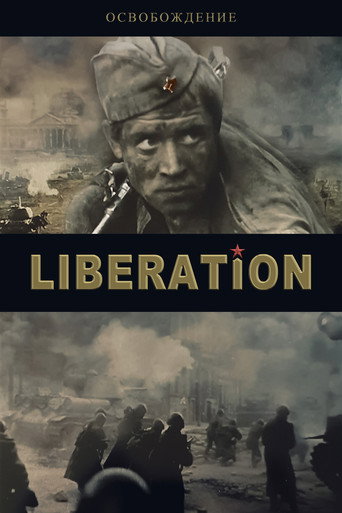
Liberation - Part 1 : The Fire Bulge
The "Fiery Arc" tells of a grandiose battle on the Kursk Bulge in the summer of 1943. Here was the largest tank battle in the history of World War II. Along with the personal fate of the heroes, the film shows battle scenes, the activities of headquarters and intelligence, those who worked at the front and in the rear.
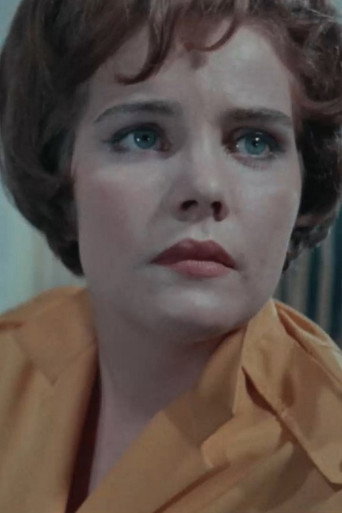
Hills Like White Elephants
A man and a woman are trying to solve a problem that is crucial to their relationship, but their ideas and beliefs have a different vision.
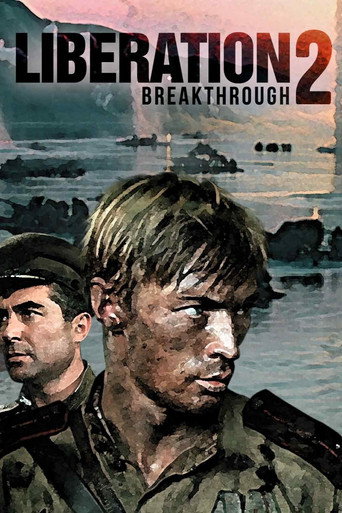
Liberation - Part 2 : Breakthrough
Fascist Italy's prime-minister Mussolini is arrested following the Allies landing in Sicily. Meanwhile, Soviet troops plan their offense towards Kyiv. Lt. Col. Lukin's regiment crosses the Dnieper river as the division's vanguard. Unbeknownst to them, they're merely a ploy to mislead the Germans so the rest of the army can catch them off guard.
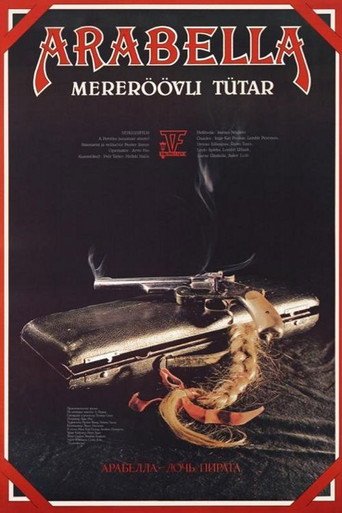
Arabella, the Pirate's Daughter
Arabella is a daughter of the world's most terrifying pirate captain. She loves her father but also dreams about a life of a usual girl. One day a weird stranger is saved from the sea who will be the only friend of Arabella. At the same time a rival pirate called Raudpats plans to kidnap the girl. Will she be safe and can she ever live a normal life?
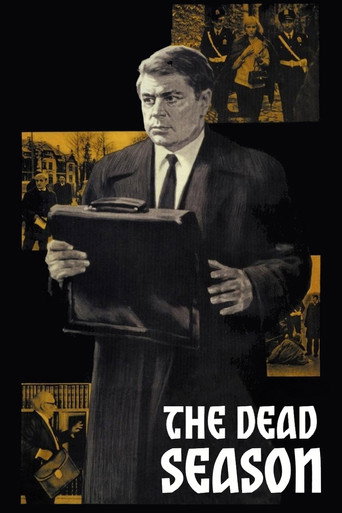
The Dead Season
Soviet spy Ladeynikov learns that in one of the pharmaceutical centers in a small resort town works a former German war criminal, Dr. Hass, who is finishing the creation of a deadly chemical gas RH development that he began during World War II, experimenting on POWs. Since Ladeynikov doesn't know Dr. Hass's appearance, Soviet intelligence recruits an actor, Ivan Savushkin, who, during the war, escaped from a prison camp where Hass was testing his gas. Together, they must identify and stop him before he finishes and unleashes his weapon of mass destruction.
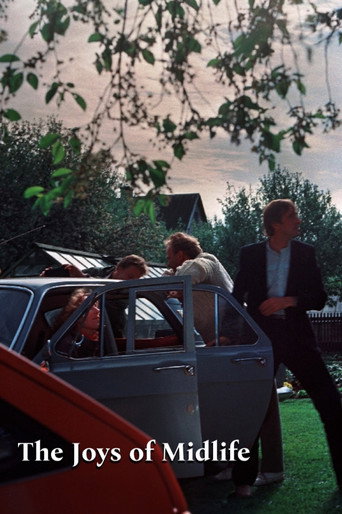
The Joys of Midlife
Five people who have recently reached middle-age are driving through Estonia to visit a famous witch-therapist to get rid of their problems. The somber-funny road movie gives a good overview of the life, people and daily problems in Estonia at the end of the Soviet period.
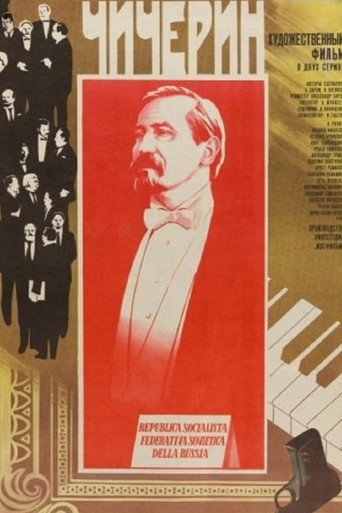
Chicherin
Chicherin - Russian revolutionary, Soviet diplomat, first People's Commissar of Foreign Affairs of the RSFSR and the USSR. Member of the USSR Central Executive Committee of 1-5 convocations, member of the Central Committee of the All-Union Communist Party. Musicologist, author of a book about Mozart. In memory of Chicherin.
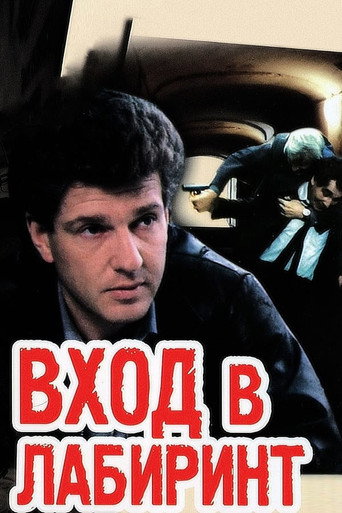
Entrance to Labyrinth
The actions of this mystery movie takes both in the past (in medieval times, as the scientists' hallucinations) and in the days of Perestroika.
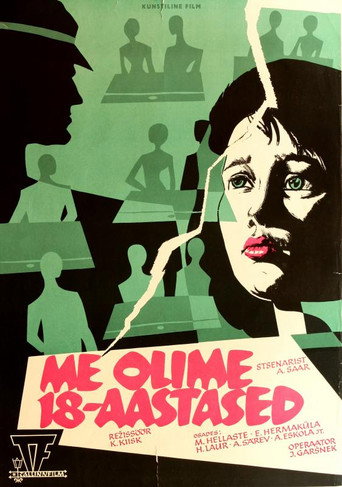
We Were Eighteen
It's 1940 - the first summer of the Soviet occupation on the Estonian island Saaremaa. Teenagers stepping in their lives have important decisions to make. Should they support the Soviet regime or join the resistance?
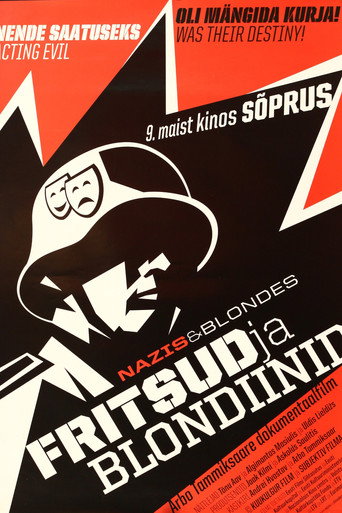
Nazis and Blondes
Veteran actors from the 3 Baltic countries - Estonia, Latvia and Lithuania - gather at a castle in Latvia to receive awards for their roles as Nazi villains in propagandist Soviet war films. They reminisce about the films that made them famous throughout the USSR, but also stigmatized the Baltic countries as Nazi sympathizers in the eyes of many Russians - a misconception that is nowadays exploited by the Russian media, desperate to label the Baltic countries as a fascist haven.
Gallery