Heino Deckert Movies, TV Shows, and Filmography
Heino Deckert
Production
Biography
No biography available.
Filmography Movies
Production

Rhino
Ukraine, 1990s. Young Vova, cruel and tenacious, struggles to find his place among the ruthless members of the underworld in a city where crime and corruption reign.

Khadak
Set in the frozen steppes of Mongolia, a young nomad is confronted with his destiny after animals fall victim to a plague which threatens to eradicate nomadism.
Khadak
Set in the frozen steppes of Mongolia, a young nomad is confronted with his destiny after animals fall victim to a plague which threatens to eradicate nomadism.
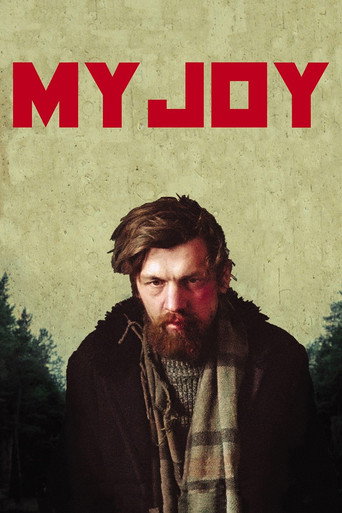
My Joy
Georgy is driving a load of freight into Russia when, after an unpleasant encounter with the police at a border crossing, he finds himself giving a lift to a strange old man with disturbing stories about his younger days in the Army. After next picking up a young woman who works as a prostitute and is wary of the territory, Georgy finds himself lost, and despite asking some homeless men for help, he’s less sure than he was before of how to make his way back where he belongs. As brutal images of violence and alienation cross the screen, Georgy’s odyssey becomes darker and more desperate until it reaches an unexpected conclusion.

Altiplano
In the Andes, a Belgian doctor and his photojournalist wife become ensnared in a native tribe's struggle with a mining company.
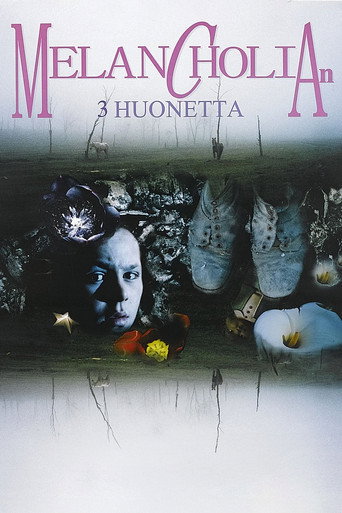
The 3 Rooms of Melancholia
A searing examination of the unrelenting Chechen conflict, observed through the prisms of a Russian military boys academy, a war-torn town and a children's refugee camp.
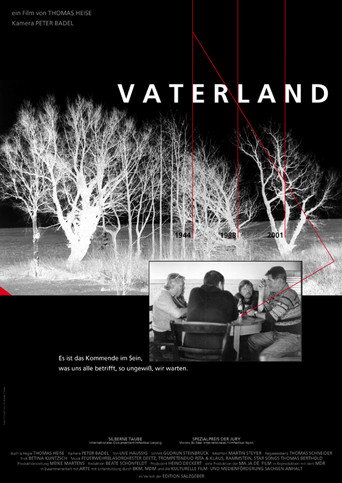
Vaterland
In Saxon-Anhalt, near the town of Zerbst, set away from busy roads, next to a deserted military landing strip, is the village of Straguth. An unimportant place. Lost in time. Or ahead of time. The film describes the people of this quiet place, in the past, the present and the future. A film like the digging of a hole. If one could dig in spiral form. And dig a black hole. An archaeological journey to landscape, people and things, traces of changing times and transition. Wide open landscapes and detailed drawings of people within. And on entering Otto Nathos’ modest bar, there is always talk of the war. The era of youth.
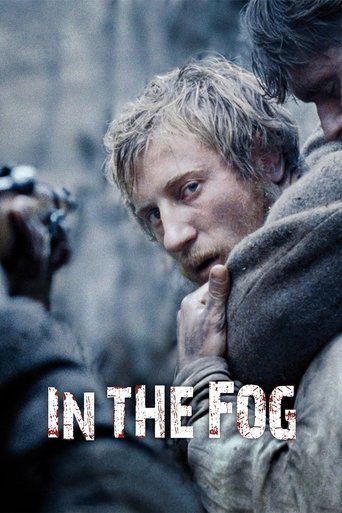
In the Fog
Western frontiers of the USSR, 1942. The region is under German occupation. A man is wrongly accused of collaboration. Desperate to save his dignity, he faces an impossible moral choice.
Im Glück (Neger)
Over seven years, director Thomas Heise revisits five young actors from his 2007 Berlin staging of Heiner Müller’s “Anatomy Titus.” At irregular intervals, he asks them to film their everyday lives and articulate their hopes. The footage is deliberately fragmentary and non-linear: there is no smooth narrative or causal thread. Among them, 22-year-old Sven, whose apprenticeship, naval stint, dishonorable discharge, and failed relationships leave him convinced “nothing comes next”, becomes the focal point of this long-term observation. Invoking Müller’s own outsider declaration - “I am a Negro” - the film offers a stark, uncompromising portrait of aimless youth while Heise probes his role as documentarian.
Children. As Time Flies.
The third part of Thomas Heise's time-lapse observation, in which he accompanies the people of Saxony-Anhalt. At the centre of the film is Jeanette, who grew up with four brothers and became pregnant at 15. In the meantime, however, she fulfilled her dream and became a bus driver. Her eldest son Tommy is a troubled child, while the younger Paul is doing well at school and the family has high hopes for him. Heise interacts with her family with openness and caution, without shaming anyone. What emerges is a work about the changing story of a place and the people who live there.