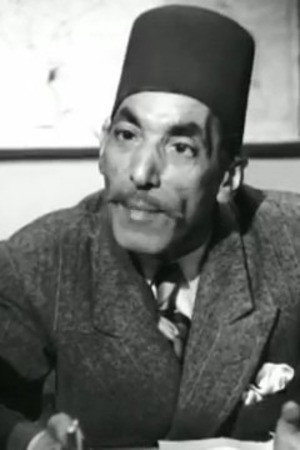
Hassan El Baroudy Movies, TV Shows, and Filmography
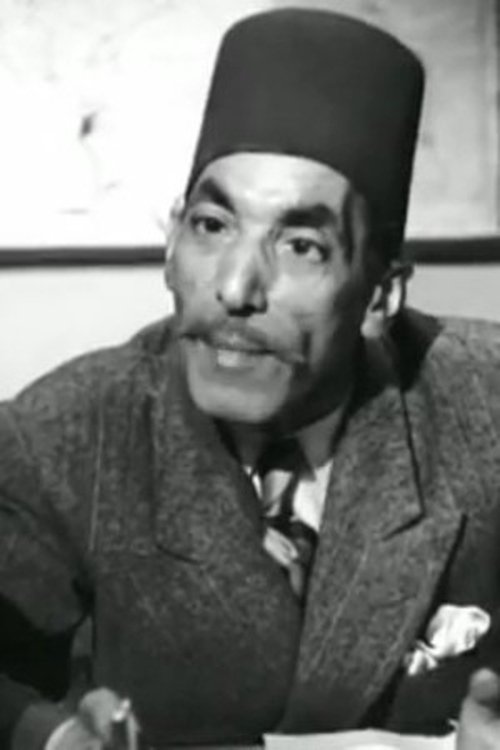
Hassan El Baroudy
Acting
Biography
Hassan Mahmoud Hassanein El Baroudy was an Egyptian actor, born on 19 November 1898. He studied at the American School, and was working as a translator at Thomas Cook Company. He started his artistic career when he joined Hafez Naguib's touring band, then joined Aziz Eid's band in 1921. He worked in the Youssef Wahby Troupe for about 20 years. He also worked for years with the National Theater. He participated in many plays, including: King of Iron and Les Misérables. He appeared in numerous films, including The Second Wife (1967) and Cairo Station (1958). He passed away in 1974.
Filmography Movies
Acting
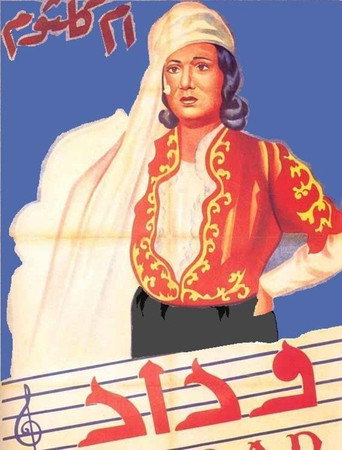
Wedad
Baher is a merchant in love with his serf Wedad who goes bankrupt because his merchandises are stolen. In order to pay his debts Wedad sacrifices herself and decides to sell herself as serf to another wealthy master.
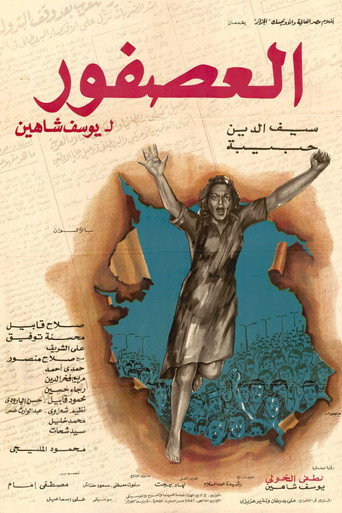
The Sparrow
Set shortly before and during the Six Day War in June of 1967, The Sparrow follows a young police officer stationed in a small village in Upper Egypt whose inhabitants suffer from the harassment of a corrupt businessman.
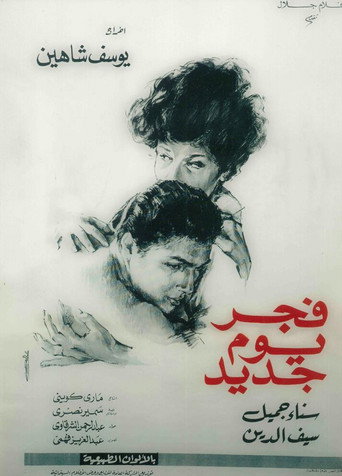
Dawn of a New Day
The story of a 40-year-old married woman who has fallen into idleness and does not know how to approach the revolutionary events in her country. She finds a new meaning in life when she falls in love with an aspiring young student. “I shot FAGR YOM GUEDID in 1964. I count it among my best films and still stand by it completely. It is about the class whose assets were nationalized after the 1952 revolution. I explored the question of whether this class still had a place in Egyptian society.”

The Great Clown
Shehata Effendi is a clerk for a wealthy woman who is in dispute with her husband. Her husband divorced her a third time, so they resort to Shehata to marry her. Then the wealthy wife dies and he inherits her fortune, prompting him to think of marrying his old neighbor Asrar.

The Second Wife
A story in the Egyptian countryside about an unjust mayor who controls everything in the village with his power.
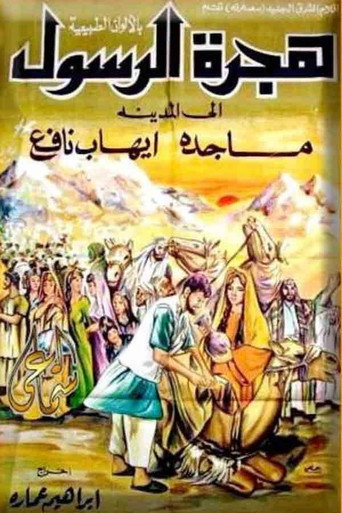
The Prophet's Immigration
In the period before Prophet Muhammad's call, events revolve around the dancer Sarah who earns from the money of the pagan pilgrims and both slaves Faris and Habiba, who are subjected to harsh treatment by their masters. Faris and Habiba decide to defend the Prophet and invite him.
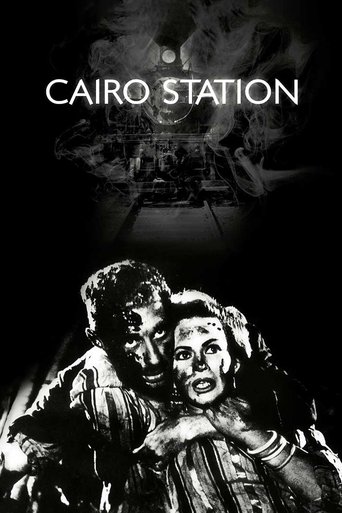
Cairo Station
Qinawi, a physically challenged peddler who makes his living selling newspapers in the central Cairo train station, is obsessed with Hanuma, an attractive young woman who sells drinks. While she jokes with him about a possible relationship, she is actually in love with Abu Siri, a strong and respected porter at the station who is struggling to unionize his fellow workers to combat their boss' exploitative and abusive treatment.
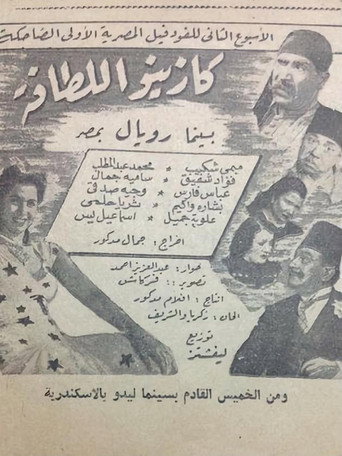
Casino el latafa
Aziza and Sharifa are two friends. They are married to the two friends, Aziz and Refaat. Aziza suspects her husband's behavior, and her friend supports this suspicion. They concoct a plan. Sharifa sends an unsigned love letter to Aziz Pasha and sets him up on a date in the casino.
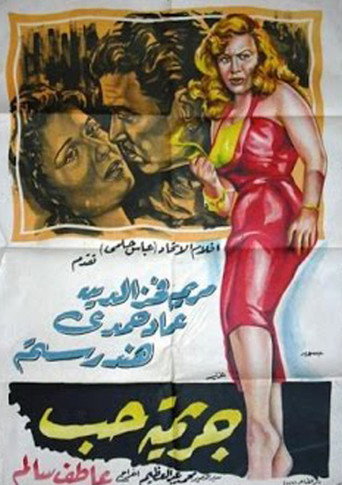
Love Crime
A lawyer defends his friend, but loses his innocence document at the bar and the friend is convicted. The lawyer gets involved in a relationship with a mistress and leaves his wife, whom he blames for losing the document. Mistress is murdered and the wife's lawyer is accused of killing her. He comes back to his senses and tries to prove his wife's innocence.
Gallery