Acting
No biography available.
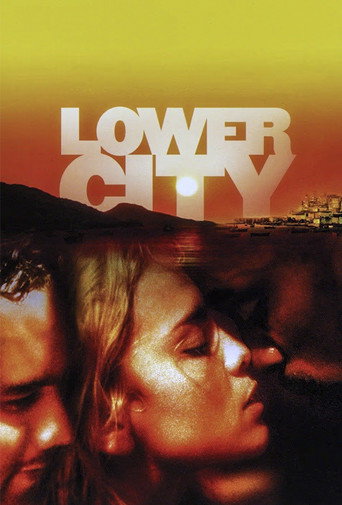
Best friends Deco and Naldinho co-own a cargo boat in Brazil's Salvador da Bahia. They give a ride to a sultry prostitute named Karinna, and soon both men fall prey to her considerable sexual charms, pushing the bounds of their friendship to the limit.
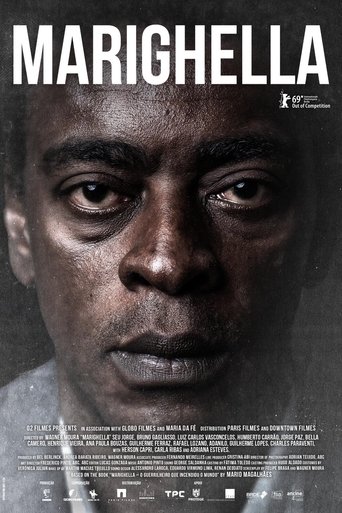
Afro-Brazilian poet and politician, the legendary Carlos Marighella. Driven to fight against the erosion of civil and human rights following the CIA-backed military coup of 1964 and the brutal, racist right-wing dictatorship that followed, the revolutionary leaves behind his wife and son to take up arms, becoming a notorious enemy to the power structure.
Jubiabá is a French-Brazilian film based on the homonymous novel by Jorge Amado. The film tells the story of the interracial love between the daughter of a rich Commander and Antonio Balduíno, a rascal, fighter and famous lover from Salvador.
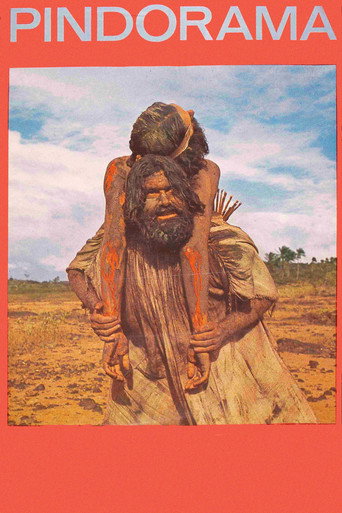
This Brazilian film is set during the period of its initial colonial discovery and settlement. The title refers to a word the native peoples used for the coastal lands: "pindorama," or "place of the small trees." A ponderous and grandiose film, it was roundly booed when it was aired at the 1971 Cannes Film Festival.
Film in three segments. In the first, engaged girl falls in love with an acrobat. In the second, married woman is loved by two men. In the last, the daughter of a traditional family is rejected on her wedding night.
In the beginning of the 20th Century, in the Northeast of Brazil, one of the first Brazilian industrialists is persecuted because he refuses to sell his business to a British company.