Acting
No biography available.
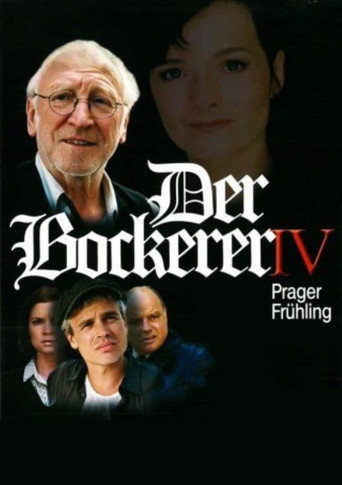
In the year 1968, the “Bockerer” has decided, after many attempts, to marry his long-time widowed housekeeper, Anna. Gustl, whom he as taken in like a son after the war, will open a butchery in the Czech small town Kostelec and invites the Bockerers to spend their wedding journey with him and his Elena. The “Prague Spring”, of which everywhere is talked so much about, promises a nice honeymoon, and their friend Hatzinger is taken along on the journey as well. Soon after their arrival, the Bockerer has to realize that “Communism with a human face” is still an idle wish.
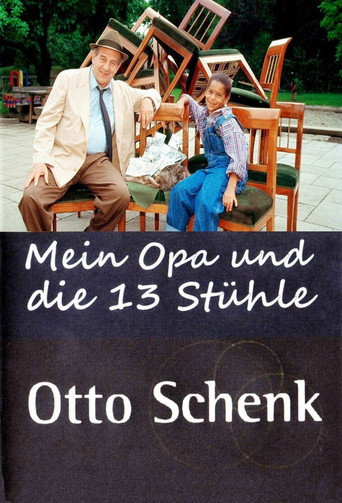
Austrian version of the novel "12 Chairs". While on vacation with her grandfather in Vienna, Samantha learns that she's inherited something. But upon arriving in Carinthia, Grandpa and his granddaughter discover that the inheritance appears to consist of only 13 old chairs. Only after the auction do they learn that money is hidden in one of the chairs. Grandpa now tries every means possible to secretly acquire it.
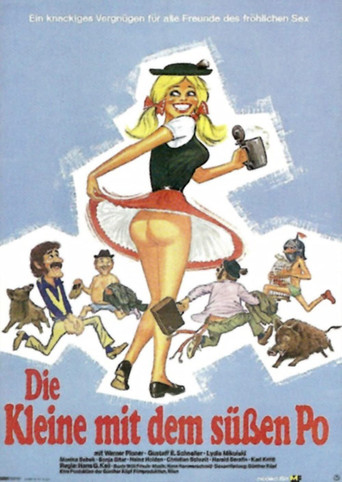
A naive innkeeper arrives from the Alps into town to investigate his shady investor only to discover that he owns a sex shop. Needing money for a good cause, he and his sons join in. However, his partner is actually a diamond smuggler.
A theater production.
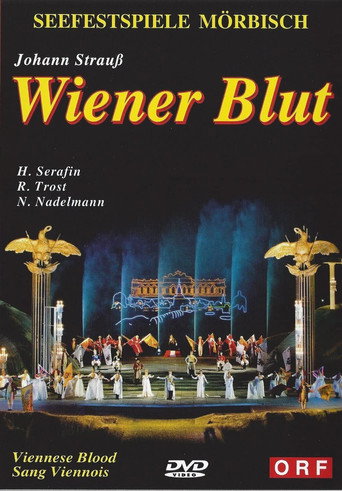
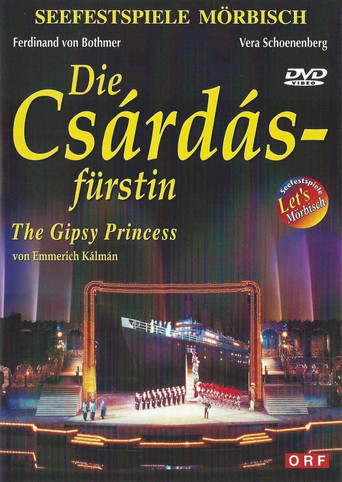
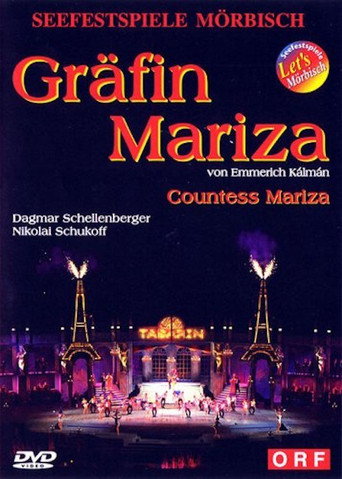
Dagmar Schellenberger, Nikolai Schukoff, Harald Serafin, and Mirjana Irosch star in this production of the Kalman operetta with Rudolf Bibl conducting the Festival Orchestra Moerbisch.
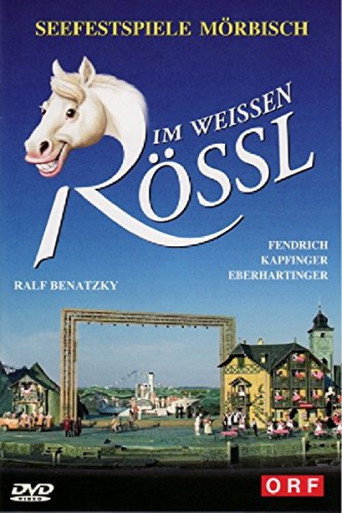
Ralf Benatzkys immensely popular operetta Im weissen Rossl premiered in Germany in 1930, followed by London the following year and Paris in the latter half of the decade. It made it to the US where it played under another name on the Great White Way. This echt-Austrian work had first been popularized as a play shortly before the turn of the 20th c. This 2008 staging was celebrated as a reference performance for future attempts. Directed by Rolf Langenfass and conducted by Rudolf Bibl, the cast includes Harald Serafin as the Austro-Hungarian head-of-state Kaiser Franz Joseph II.