Directing
No biography available.
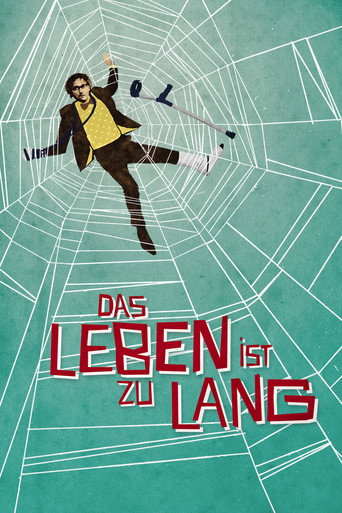
No crisis is as disastrous, overwhelming and unjust as that of Alfi Seliger. The Jewish filmmaker, hypochondriac and family man is up to his neck in problems: his pubescent children Romy and Alain find him ridiculous, his wife Helena would be happy if she only found him ridiculous, his bank is going bankrupt and his new film project is finding it difficult to meet with approval. Friend becomes foe, hope becomes paranoia and when even his psychiatrist advises him to end his life, Alfi Seliger attempts a theatrical exit. But as befits a born "Nebbich", a lovable loser, even this fails - he survives and only appears to awaken in his old life...
Thirteen German directors present short films exploring the state of their country.
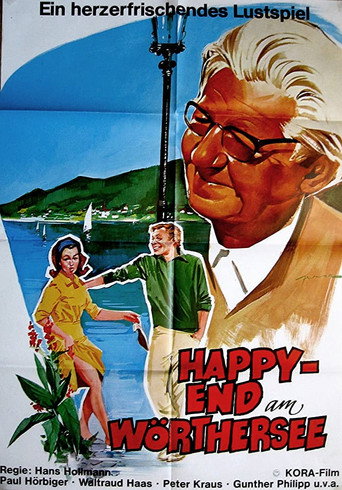
According to the last will of a deceased millionaire, her brother Severin Petermann and her two nephews Walther von Peterjahn and Johannes Petermann should only be entitled to inherit if they spend a summer together under one roof in an Austrian villa.
The Threepenny Opera proclaims itself "an opera for beggars," and it was in fact an attempt both to satirize traditional opera and operetta and to create a new kind of musical theater based on the theories of two young German artists, composer Kurt Weill and poet-playwright Bert Brecht. The show opens with a mock-Baroque overture, a nod to Threepenny's source, The Beggar's Opera, a brilliantly successful parody of Handel's operas written by John Gay in 1728. In a brief prologue following the overture, a shabby figure comes onstage with a barrel organ and launches into a song chronicling the crimes of the notorious bandit and womanizer Macheath, "Mack the Knife." The setting is a fair in Soho (London), just before Queen Victoria's coronation. In this production, Weill champion HK Gruber led the Ensemble Modern in a performance of Weill's complete original score, the first time it had been heard in Germany in many years. This production was broadcast on German television (3sat).