Camera
No biography available.
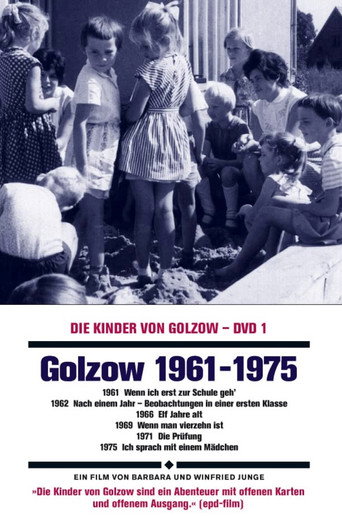
The first cinematic review after the fall of the Wall and the end of the GDR. In the context of a reunion of the "children of Golzow" on the 1st anniversary of German unity and their joint trip to Hamburg also a workshop report documenting the thirty-year history of the Golzow Chronicle from the new German situation as well as the thoughts and feelings, hopes, fears and objective changes in the lives of now already 13 portrayed.
The Belgian documentarian Frans Buyens interviewed passers-by in East Berlin and Dresden, factory workers and technical draftswomen at the Warnow shipyard in Stralsund, small business owners in Chemnitz, LPG farmers in the countryside, foreign students at the Gottfried Herder Institute in Leipzig and industrial workers in Magdeburg and Eisenhuettenstadt. "The GDR seen through the eyes of a foreigner" was the original title of the film. A few years after the Wall was built, Buyens documented the approval, disapproval and fears of the interviewees.
Children's film with animation and live action elements about how the lock in the Spree River works.
A village in the Republic celebrated its traditional clover festival in the summer of 1976. In the form of a political feuilleton, the film conveys to the viewer the new attitude to life of the people in the countryside.
A sequence of nine individual biographical sketches with a prologue and epilogue on Golzow and the long-term observation. Deepening of the preceding chronicle. The Golzow people in the present, from which retrospective views of the previous life and the life conflicts of the individual are given.
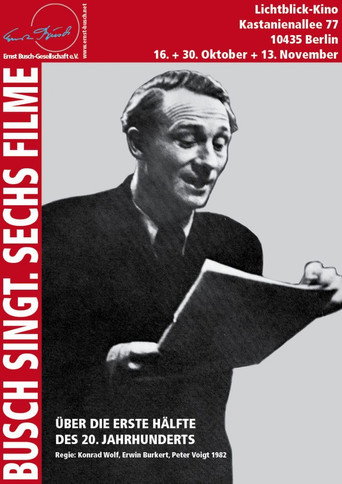
"Busch singt" consists of 6 films "About the first part of our century" and does not present Ernst Busch only as a singer but is a film with and about Busch as a chronicler and fighter for communist ideals of his time. Konrad Wolf died during the production, he directed part 3 "1935 oder Das Faß der Pandora" and part 5 "Ein Toter auf Urlaub".
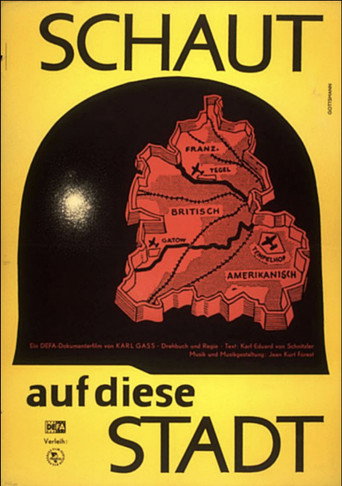
Started in the summer of 1961, even before the Wall was built, the film becomes an explanation after this historical event as to why things can no longer go on as they were before. Unmistakably, as in almost all of Karl Gass' films, the passion with which he treats his subject is unmistakable. If you want to get to know the zeitgeist of the historically significant year 1961, which on both sides knew more the Cold War vocabulary than factual arguments, you can see the Eastern variant in this propaganda film.
How the class community is formed. The children's environment and the experiences and discoveries that the school gives them. They are reflected in the lessons. At the end of the school year they receive their first report card and are "Young Pioneers".
The age group in a group portrait of the fifth grade. They make suggestions for filming at school, in their free time and at home. Growing challenges through the lessons that bring knowledge and new questions and broaden their horizons.