Hans-Dieter Schlegel Movies, TV Shows, and Filmography

Hans-Dieter Schlegel
Acting
Biography
No biography available.
Filmography Movies
Acting
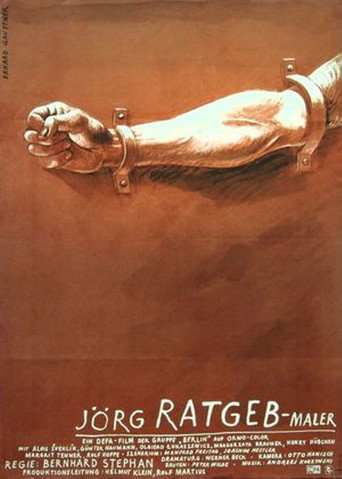
Jörg Ratgeb, Painter
On the eve of the German Peasants' Revolt, painter Joerg Ratgeb is occupied by a crisis of his own: finding a model for a Christ figure. He sets off on a journey to consult with his artistic role model, Albrecht Dürer. Although Ratgeb has always tried to stay out of the political conflict, his journey brings him face-to-face with peasant revolutionaries and the brutality and violence of their daily lives.
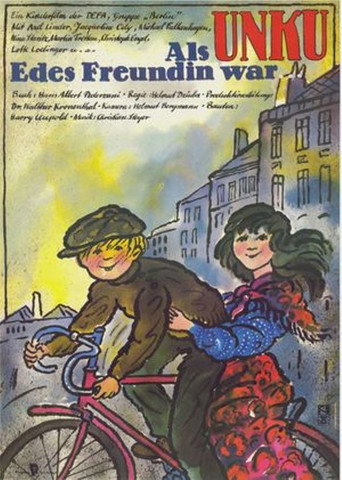
When Unku was Ede's Girlfriend
Ede falls in love with Unku, a girl from a travelling circus. Love cannot run smoothly however because Unku is a Gypsy. Various adventures take place before love is finally allowed to run its natural course.
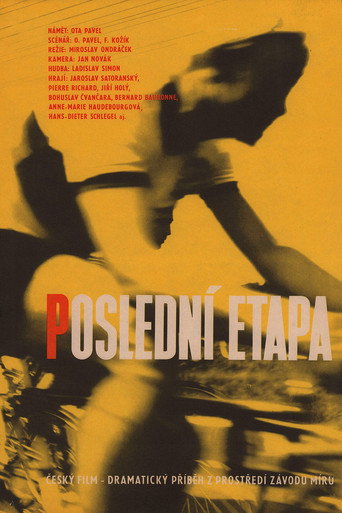
Poslední etapa
An international cycling race requires the full commitment of all forces, there is not only rivalry between the competitors, but also a willingness to help each other.
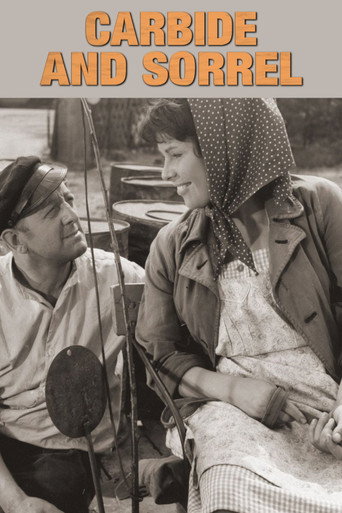
Carbide and Sorrel
After the second World War, Dresden has a lot of reconstructing to do. To get the cigarette factory he once worked for running again, Kalle has to travel to Wittenberg - the only place where carbide can be found. Once there, Kalle find himself in the unfortunate situation of having to hitchhike his way back to Dresden, transporting seven heavy barrels of carbide. However, his inventiveness and optimistic attitude help transform the grueling task into an adventurous, entertaining, and funny journey.
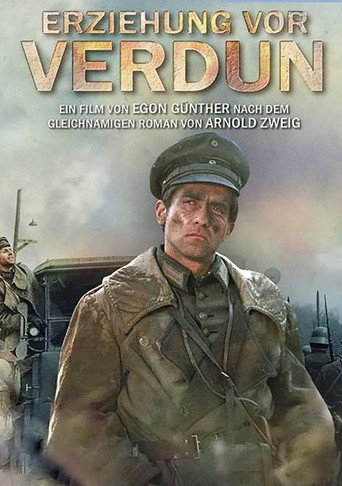
Erziehung vor Verdun
The armouring soldier and writer Werner Bertin is ordered to the Western Front to France during the First World War. The use before Verdun - with all the horrors of war in the period 1916/1917 - brings a fundamental change of consciousness for the academic from Berlin. The intellectual devoted to bravery by fate develops into a disappointed but rebellious being. He sees more and more the injustices of warlike conflicts and their social causes.
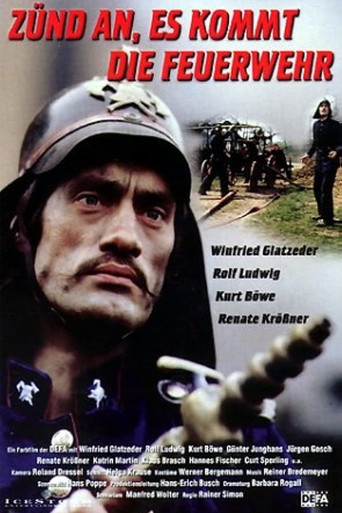
Zünd an, es kommt die Feuerwehr
A morality tale from the time of the Saxon Kingdom. The von Siebenthal volunteer fire department has nothing to do. When their local pub is in a very dilapidated state, but the landlord has no money to renovate it, the fire department tries to help out by setting fire to it themselves, but it doesn't quite work. They look for a new object to set fire to, the supposedly empty prison. But there is only one prisoner, who is heroically rescued by Captain Kaden.
Prague at Zero Hour
Czech friends help refugees from Nazi Germany escape in 1939.
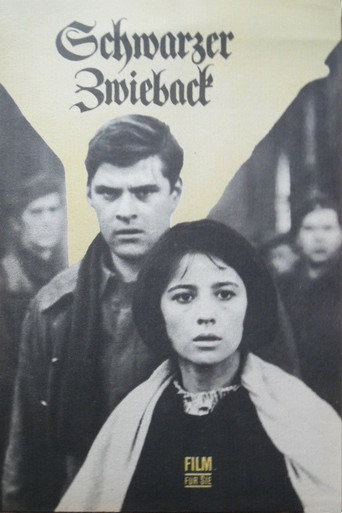
Black Rusks
The November Revolution of 1918 in Germany, famine and social upheaval evoke a response from the young Soviet government in Russia. To provide food assistance, trains with bread are being formed. One of them, on the personal instructions of V.I. Lenin is accompanied by the young revolutionary Tatyana . On the way, she meets a former German prisoner of war, Kurt . A romantic relationship arises between them. The train with bread, despite all the difficulties, was delivered. In a clash with a detachment of counter-revolutionary German troops, Tatyana was wounded. She returns to Moscow, and Kurt goes to Berlin to continue the revolutionary struggle.
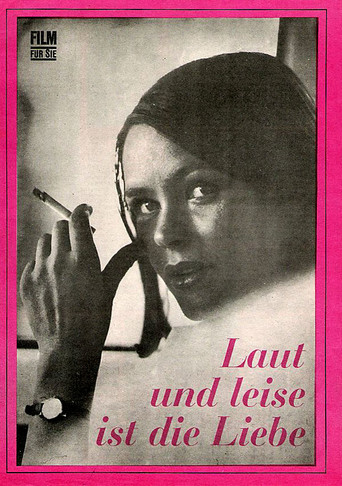
Laut und leise ist die Liebe
Following a training course, the 28-year-old Helga Baumann, a single mother of two children, meets up with her husband Fred again. They had separated a while ago because their ideas of marriage were completely disparate: The conservative Fred advocated the woman′s role of wife and mother, while Helga dreamt about an emancipated partnership between two employed persons. Now, her sister has brought them back together. At first sight, Fred seems to have changed and, once again, Helga cannot resist his advances. But when she meets with difficulties during a fair in Tashkent, Fred yet again proves to be a petty bourgeois by assuring her that they would get along perfectly without her working.
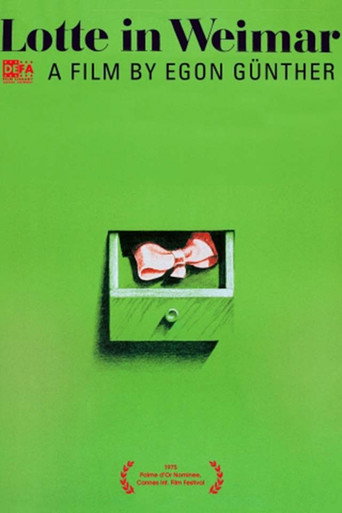
Lotte in Weimar
Johann Wolfgang von Goethe (1749-1832) was the author of Werther, the romantic novel that was transformed into a play during Goethe's lifetime and which initiated the whole German romantic movement. The book's story tells of young love and suicide. In this East German film, based on a book by Thomas Mann, Lotte (Lilli Palmer) was the woman who served as the model for the heroine in the novel Werther. She comes to Goethe's hometown for a visit, and her experiences there eerily re-create episodes from the book. Goethe comes across as a pompous old bore, and his friends as pandering sycophants, in this very proper communist party-sponsored, anti-heroic movie.
Gallery