Camera
No biography available.
A cheerful young man working in fashion photography spies at a woman from his window, with a bigger plan haunting his mind.
How did two sisters from Tsugaru survive in the big city of Tokyo? The older sister passed the nursing exam and works at a major hospital in Tokyo. Meanwhile, the younger sister works as a menial laborer for a grimy obstetrician in a working-class neighborhood. The older sister, with a saintly face, works as a nurse, but in secret, she is consumed by carnal desires for men, while the younger sister, a naive and innocent country bumpkin, is trampled upon in the hell of adult lust... For some reason, these two contrasting sisters end up fighting over the same man... What will be the outcome of their fate?
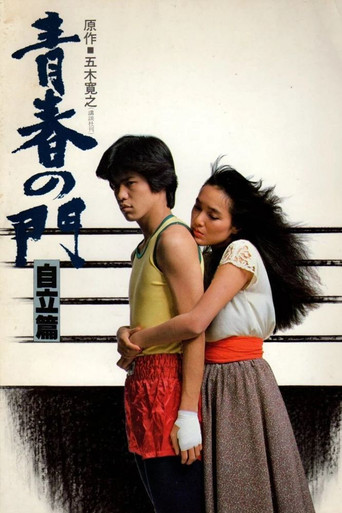
Mid 50s: the trials and tribulations of Shinsuke Ibuki, freshly arrived in Tokyo from Kyushu.
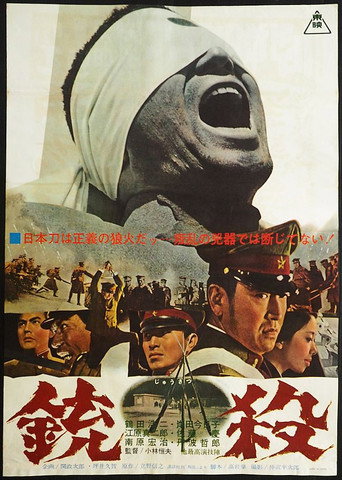
This film tells about the murder of Lieutenant Colonel Aikawa, the head of the Bureau of Military Affairs, about the beginning of the incident 2.26 and the execution of young officers.
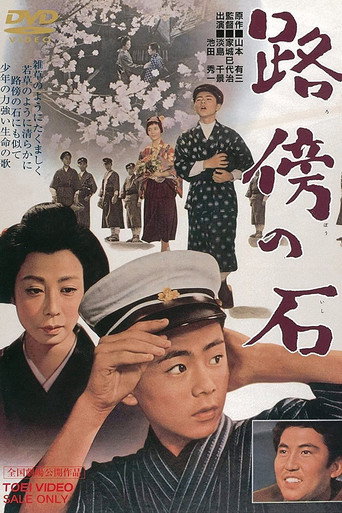
The Wayside Pebble is an effective drama about the hardships of a childhood spent with a brusque, cold-hearted father and a submissive mother. The year is 1910 and the place is a small Japanese village. Goichi is suffering because he wants to go to school, but his family is too poor to afford that luxury. Even when a kind friend agrees to help out, Goichi's father refuses to give in to his son's request for an education. Instead, he sends Goichi off to work as an indentured servant for a cold-hearted merchant and his family. As tragedy strikes and the suffering of the young boy increases, he begins to look for some way out of his bleak situation.
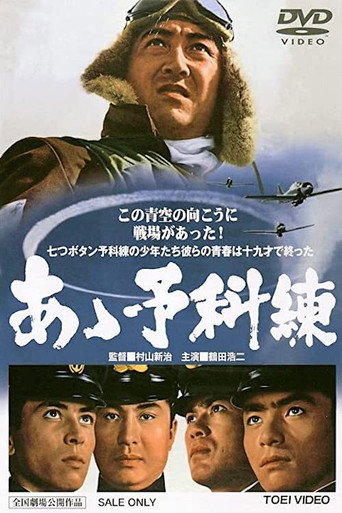
The film is dedicated to the souls of flight school graduates killed in World War II. Young boys dream about becoming pilots and apply to flight schools. However, the flight schools have extremely demanding, harsh training, and once they finally become pilots, they must become suicide bombers and give their lives for their homeland.
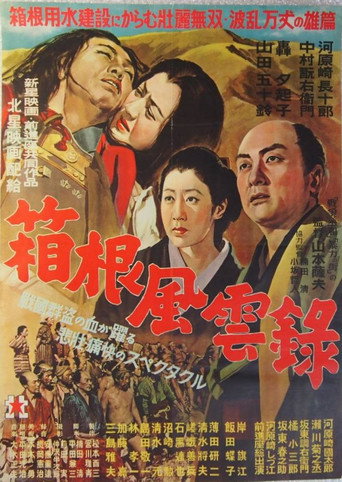
A period film about a peasant revolt in the region near Mount Fuji, occasioned by high officials' depriving the farmers of their water rights.
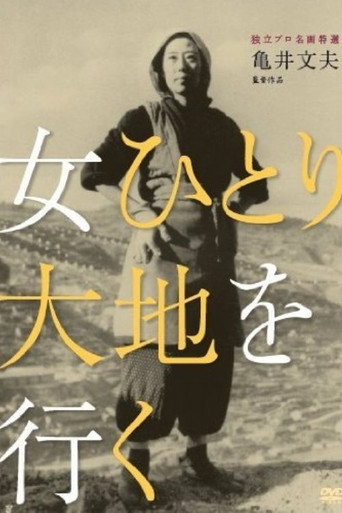
Onna Hitori Daichi wo Yuku (A Lonely Woman in a Lonely Land, Kinuta Production, 1953) was the second feature film directed by Kamei Fumio, who is known as a master of documentary films, and followed his “Haha Nareba Onna Nareba(Become a Mother, Become a Woman)” (1952).
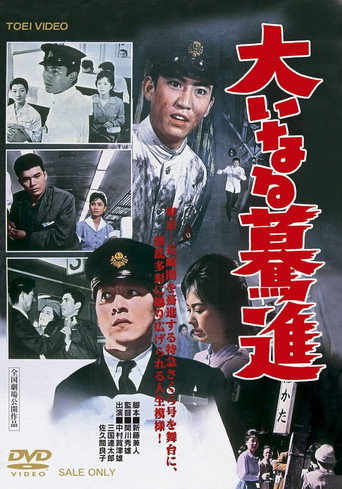
A human drama of crew and passengers on a special express train named “Sakura” from Tokyo to Nagasaki...
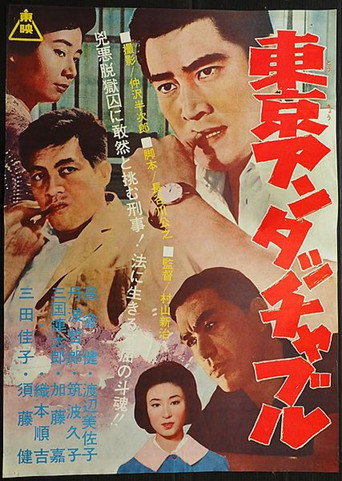
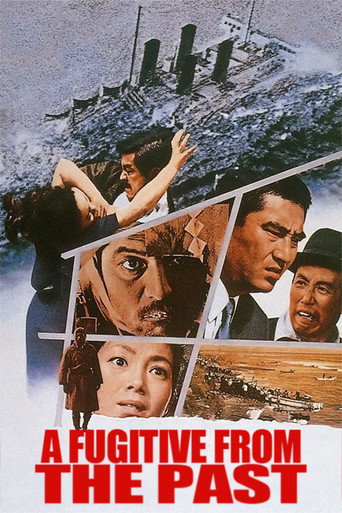
Three robbers escape with loot from a heist before one of them kills the others. Their corpses wash up near the aftermath of a maritime calamity, provoking a policeman's interest.
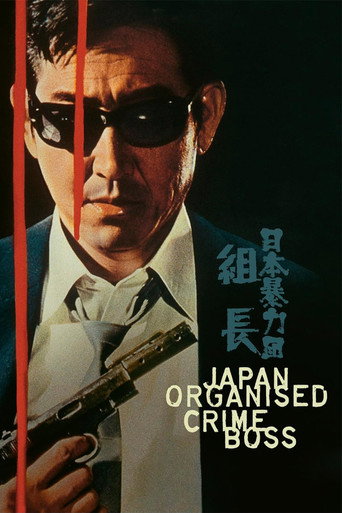
Coming out of jail and hoping for a quiet life, Yokohama yakuza has to take the lead of his gang after the death of his boss. His small group is is taken in a crossfire between a big yakuza group from Osaka at war with the Tokyo alliance for the control of the city. He tries to keep to the old yakuza code but he is no match for the new thugs who live and fight without honor.