Hal Ashby Movies, TV Shows, and Filmography
Hal Ashby
Directing
Biography
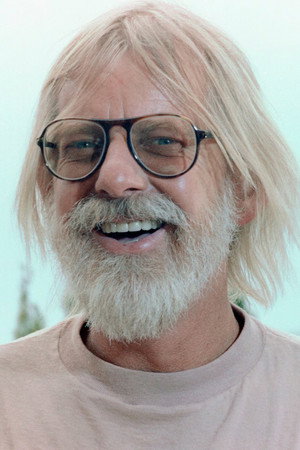
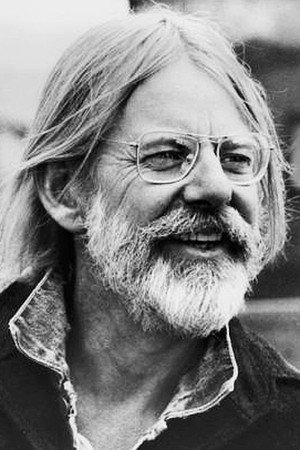
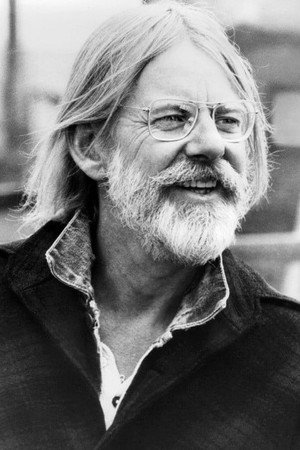
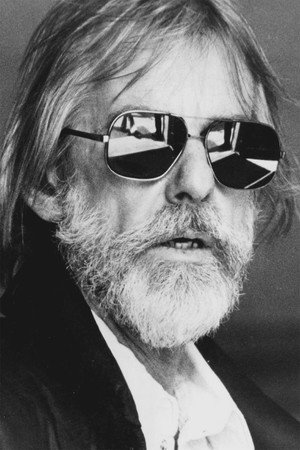
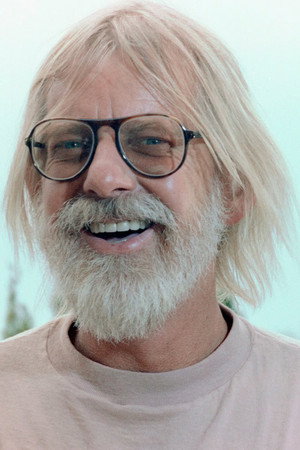
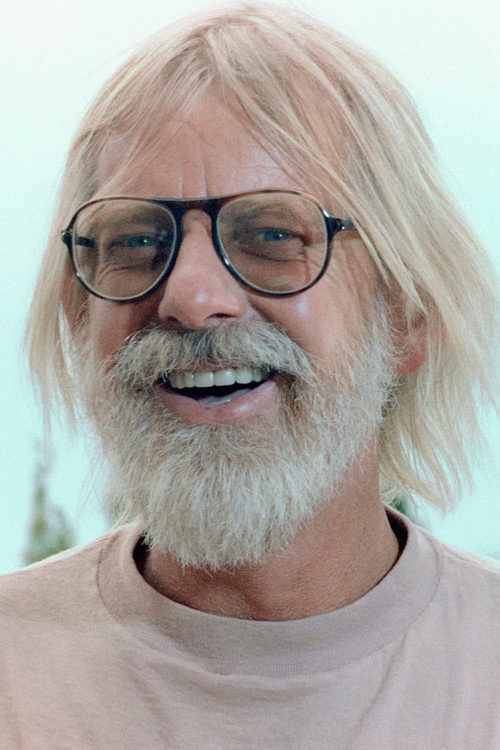
Hal Ashby (September 2, 1929 – December 27, 1988) was an American film director and editor associated with the New Hollywood wave of filmmaking. Before his career as a director, Ashby edited films for Norman Jewison, notably The Russians Are Coming, the Russians Are Coming (1966), which earned him an Oscar nomination for Best Editing, and In the Heat of the Night (1967), which earned him an Oscar for the same category. Ashby received a third Oscar nomination, this time for Best Director, for Coming Home (1978). Other films directed by Ashby include The Landlord (1970), Harold and Maude (1971), The Last Detail (1973), Shampoo (1975), Bound for Glory (1976) and Being There (1979). Born William Hal Ashby in Ogden, Utah, he grew up in a Mormon household. His tumultuous childhood as part of a dysfunctional family included the divorce of his parents, his father's suicide, and dropping out of high school. Ashby was married and divorced by the time he was 19. As Ashby was entering adult life, he moved from Utah to California where he soon became an assistant film editor. After being nominated for the Academy Award for Film Editing in 1967 for The Russians Are Coming, the Russians Are Coming, his big break occurred in 1968 when he won the award for In the Heat of the Night. At the urging of producer Norman Jewison, Ashby directed his first film The Landlord in 1970. While his birth date placed him squarely within the realm of the prewar generation, the filmmaker quickly embraced the hippie lifestyle, adopting vegetarianism and growing his hair long. In 1970 he married actress Joan Marshall. While they remained married until his death in 1988, the two had separated by the mid-seventies, with Marshall never forgiving Ashby, along with Warren Beatty and Robert Towne, for dramatizing certain unflattering elements of her life in Shampoo. Over the next 16 years, Ashby directed several acclaimed and popular films, many were about outsiders and adventurers traversing the pathways of life. Aside from Shampoo, Ashby's most commercially successful film was the Vietnam War drama Coming Home (1978). Starring Jane Fonda and Jon Voight, both in Academy Award-winning performances, it was for this film that Ashby earned his only Best Director nomination from the Academy for his work. After Being There (his last film to achieve widespread attention), Ashby became notoriously reclusive and eccentric, retreating to his home in Malibu Colony. Later it was learned that Ashby was using drugs, and he slowly became difficult and unemployable. Attempting to turn a corner in his declining career, Ashby stopped using drugs, trimmed his hair and beard, and began to frequently attend Hollywood parties wearing a navy blue blazer so as to suggest that he was once again employable. Despite these efforts, he could only find work as a television director. Ashby died on December 27, 1988 at his home in Malibu, California. The Last Detail, Bound for Glory, Coming Home, and Being There were all nominated for the Palme d'Or.
Filmography Movies
Acting

Hal
Hal Ashby's obsessive genius led to an unprecedented string of Oscar®-winning classics, including Harold and Maude, Shampoo and Being There. But as contemporaries Coppola, Scorsese and Spielberg rose to blockbuster stardom in the 1980s, Ashby's uncompromising nature played out as a cautionary tale of art versus commerce.

The Landlord
At the age of twenty-nine, Elgar Enders "runs away" from home. This running away consists of buying a building in a black ghetto in the Park Slope section of Brooklyn. Initially, his intention is to evict the black tenants and convert the building into a posh flat. But Elgar is not one to be bound by yesterday's urges, and soon he has other thoughts on his mind.
Harold and Maude
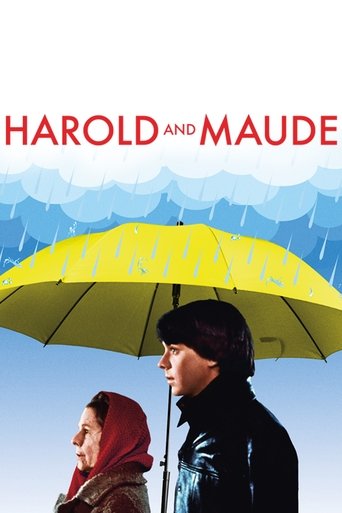
A deadpan young man obsessed with death meets an eccentric septuagenarian who teaches him to live life to the fullest.
Being There
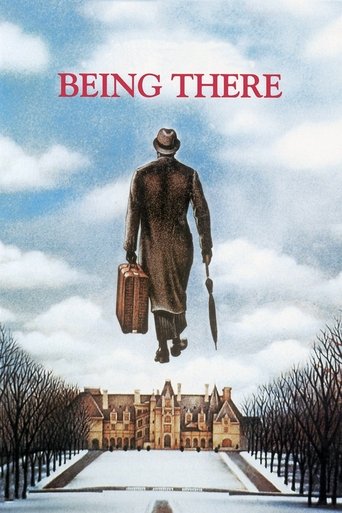
A simple-minded gardener named Chance has spent all his life in the Washington D.C. house of an old man. When the man dies, Chance is put out on the street with no knowledge of the world except what he has learned from television.
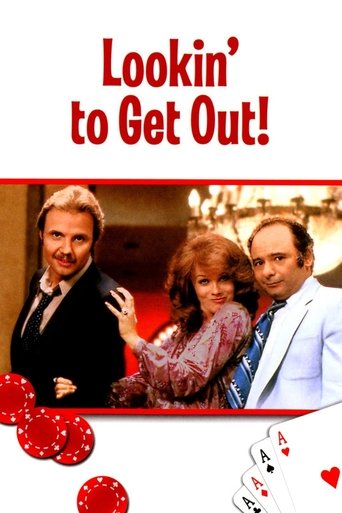
Lookin' to Get Out
Two gamblers must leave New York City after one loses a lot of money. Doing what all gamblers in trouble would do, they hurry to the gambling capital Las Vegas to turn their luck around.
Production
Harold and Maude
A deadpan young man obsessed with death meets an eccentric septuagenarian who teaches him to live life to the fullest.
Being There
A simple-minded gardener named Chance has spent all his life in the Washington D.C. house of an old man. When the man dies, Chance is put out on the street with no knowledge of the world except what he has learned from television.
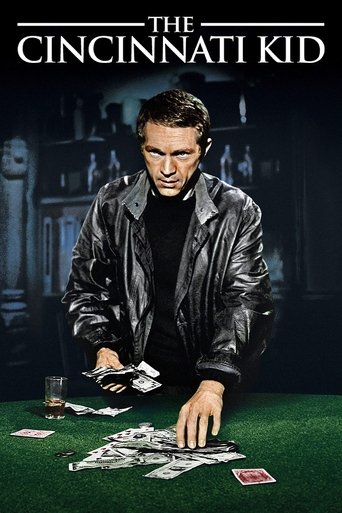
The Cincinnati Kid
An up-and-coming poker player tries to prove himself in a high-stakes match against a long-time master of the game.
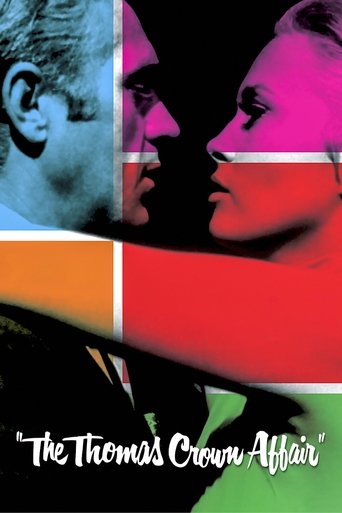
The Thomas Crown Affair
A debonair, adventuresome bank executive believes that he has pulled off the perfect multi-million dollar heist--until he must match wits with an insurance investigator who will do anything to get her man.
The Thomas Crown Affair
A debonair, adventuresome bank executive believes that he has pulled off the perfect multi-million dollar heist--until he must match wits with an insurance investigator who will do anything to get her man.
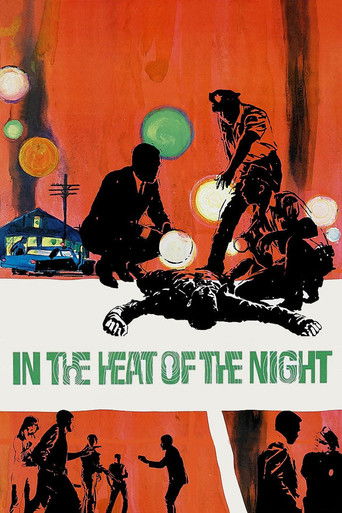
In the Heat of the Night
African-American Philadelphia police detective Virgil Tibbs is arrested on suspicion of murder by Bill Gillespie, the racist police chief of tiny Sparta, Mississippi. After Tibbs proves not only his own innocence but that of another man, he joins forces with Gillespie to track down the real killer. Their investigation takes them through every social level of the town, with Tibbs making enemies as well as unlikely friends as he hunts for the truth.
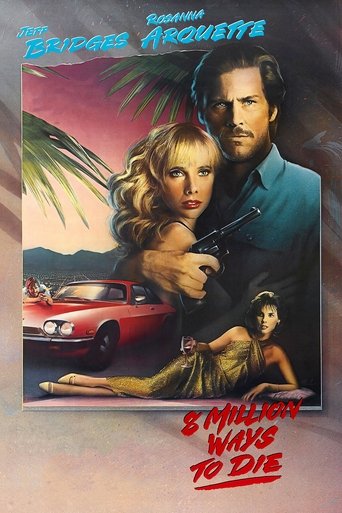
8 Million Ways to Die
Scudder is a detective with the Sheriff's Department who is forced to shoot a violent suspect during a narcotics raid. The ensuing psychological aftermath of this shooting worsens his drinking problem and this alcoholism causes him to lose his job, as well as his marriage.
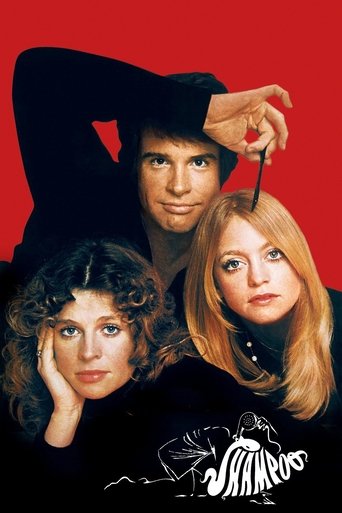
Shampoo
On Election Day, 1968, irresponsible hairdresser and ladies' man George Roundy is too busy cutting hair and dealing with his girlfriends and mistress Felicia Karpf, whose husband Lester is having an affair with his ex-girlfriend Jackie.
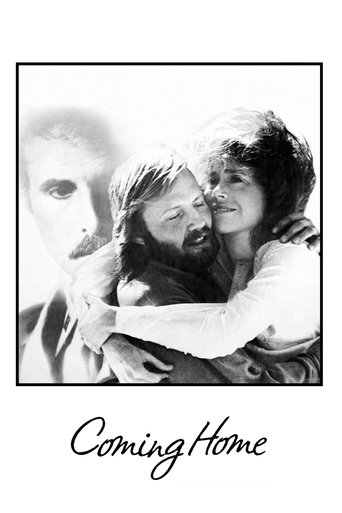
Coming Home
In 1968 California, a Marine officer's wife falls in love with a former high school classmate who suffered a paralyzing combat injury in the war.

The Russians Are Coming! The Russians Are Coming!
When a Soviet submarine gets stuck on a sandbar off the coast of a New England island, its commander orders his second-in-command, Lieutenant Rozanov, to get them moving again before there is an international incident. Rozanov seeks assistance from the island locals, including the police chief and a vacationing television writer, while trying to allay their fears of a Communist invasion by claiming he and his crew are Norwegian sailors.
Gallery