Directing
No biography available.
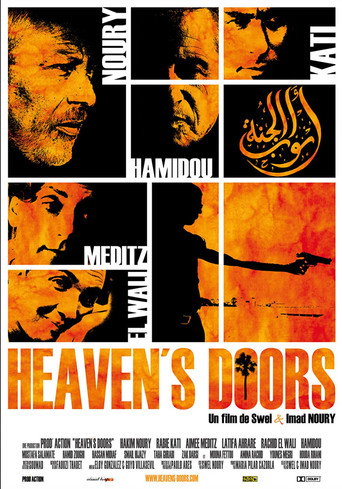
As co-directed by brothers Swad and Imad Noury (and produced by their mother, Pilar Cazorla), The Moroccan picture Heaven's Doors (2005) employs an episodic narrative, with three related substories presented sequentially. The Nourys shoot the episodes in distinct cinematographic styles (and with distinct overtones) suited to each tale, recalling Humberto Solas's masterpiece Lucia (1969).
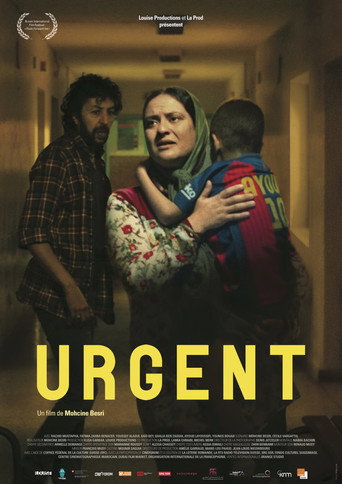
Driss and Zahra leave their fisherman's village to take their six-year-old son, Ayoub, to the emergency room of the Casablanca's public hospital. There they meet Driss' brother, Houcine, with whom they have been in conflict for years. The doctor diagnoses a brain problem requiring immediate action. This is the starting point of a painful journey exhausting each one. Are they ready to do everything to save Ayoub's life?
During his 5 years of detention, Mehdi has questioned his life, and is considering the future. The future: Canada, where he wants to purify himself to be reborn again. Fate wanted him to meet Driss, a young marginal. Everything separates the 2 men. However, they have one thing in common: loneliness. A great friendship will be born between the 2 men, who will reveal their life, their anxieties and their dreams.
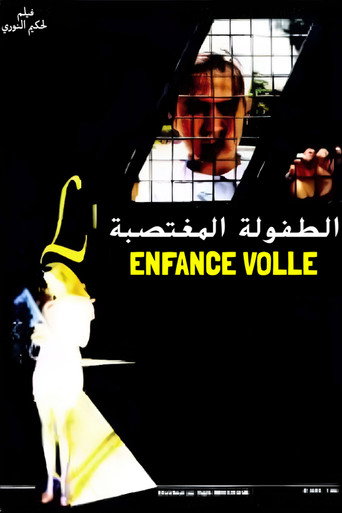
Stolen Childhood is a Moroccan film by Hakim Noury.[1] It is one of Noury's most popular and influential films. The film is set in Casablanca and tells the story of the abuse of a young servant girl.
Saida, a young executive in a big company, meets Hamid, a 35-year-old computer scientist. They decide to get married, convinced both to have made the right choice. After a few years of happiness and stability, their marriage begins to rock.
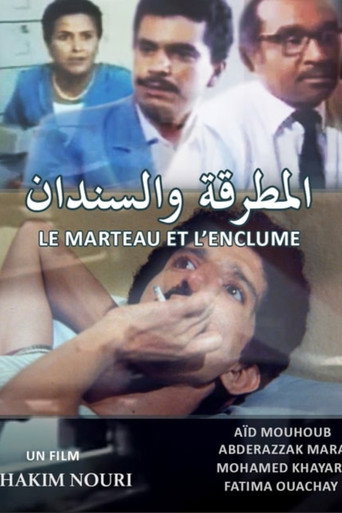
Directed by Hakim Noury.
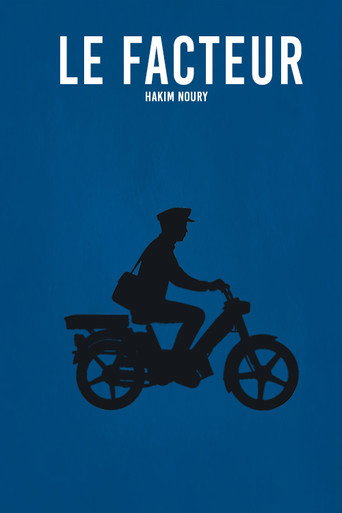
Ali is a poor young man who works as a mail courier. He gets an opportunity to work for a wealthy family in Casablanca. Filled with hope and energy, Ali tries to start his new life — until things take a turn for the worse when he and his employer’s daughter are kidnapped by a gang.
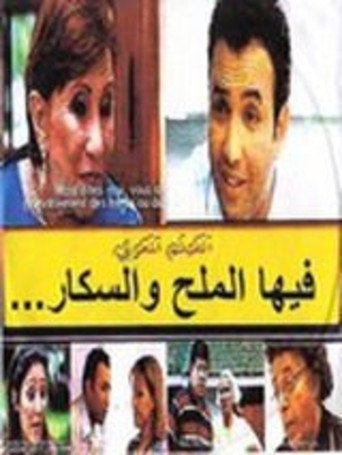
Fakhita discovered that her husband's daughter has a child from his mistress. He gets angry at him and forces him to divorce her only child, but the latter strongly rejects her attachment to her and her weakness. Which makes the need to pour out her anger by preventing him from using the work car, preventing the servants from carrying out any of his orders, and determining his powers in the company, which will make him plan to marry his mother in order to return to his previous position.
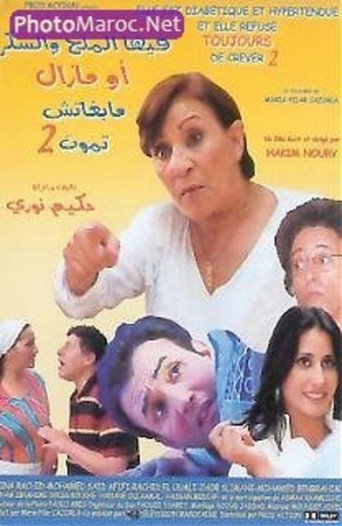
Hamid is shared between his wife Souad, his mistress Leïla, and his mother-in-law Hajja. Zhor, the servant is the guardians mistress. Brahim is Hamids scapegoat, until the day when he catches him red-handed. Hamid is blackmailed...
Aziz meets Wafaa, a young prostitute and tries to get out of his condition. His task won't be easy.
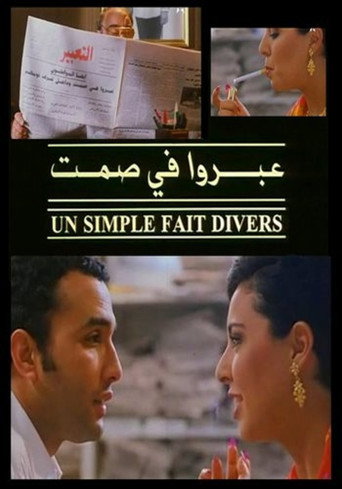
An old journalist, Omar, remembers the 70s and Salim a young 35-year-old journalist who had dared to investigate a corrupt senior state official. Omar knows it's a fight lost in advance but Salim refuses to let go. He resists because his duty as a journalist and his contempt for the untouchables who believe themselves above the law incite him to take all risks. But one day, the newspapers announce the death of Salim, cowardly murdered by a burglar. In short, a simple fact.
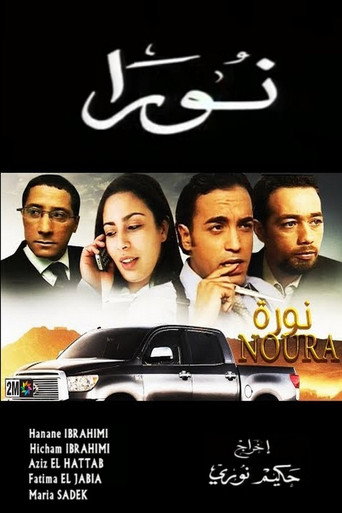
Moroccan film about a true story tackles the subject of sexual abuse and abortion through a girl named Nora. the latter was violated, and she died during an abortion attempt, then her body was dumped at the beach. A police search begins to decipher the body's mystery.