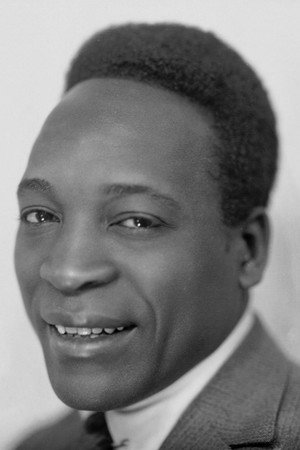
Habib Benglia Movies, TV Shows, and Filmography
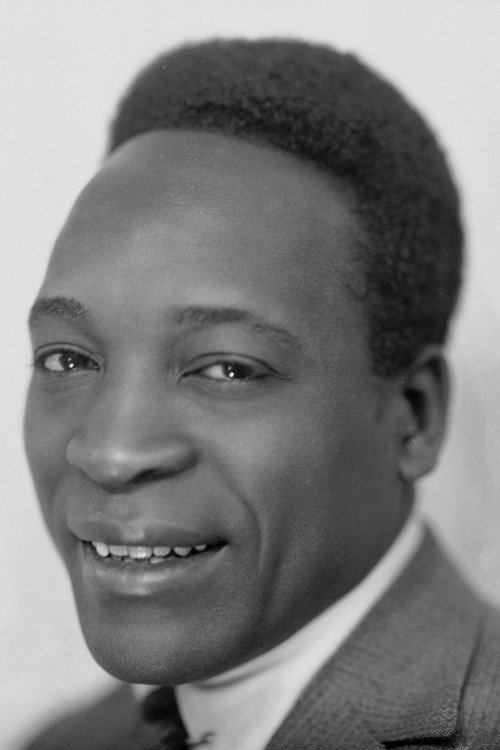
Habib Benglia
Acting
Biography
Habib Benglia, born August 25, 1895 in Oran (Algeria) and died December 2, 1960 at the Hôtel-Dieu hospital in Paris 4th, is a French actor and dancer. He was the first black French artist to experience such success in the 1920s. Married, he was the father of two children. Born to caravan parents, originally from Mali (then called French Sudan), he lived his entire childhood in Timbuktu, before arriving, with his parents, in mainland France to deliver camels to the acclimatization garden where the exhibition was held. colonial "Les Nègres", in 1912. He decided to stay in France and began his career in 1913, both in theater and in cinema, after having met the actress and dancer Régine Flory, who introduced him to Cora Laparcerie, director of the Théâtre de la Renaissance. Mobilized for the First World War, he then joined Firmin Gémier's theater company which ended up at the Théâtre National de l'Odéon with Gaston Baty in 1922. Benglia was thus the first black to play roles from the classical repertoire, and he found himself also performing the title role of The Emperor Jones at the Odéon in 19234, at the age of 27. However, he explored other aspects of his art: dance, revues, vaudeville... Theater in all its forms remained his passion for more than 36 years. It was primarily through theater that he played a major role in Parisian cultural life between the wars. Benglia was also interested in cinema, but French cinema hardly offered him good roles. He is most often found in small roles in second-rate films, but also in a few colonial propaganda films, sometimes in ridiculously exotic roles. A few exceptions: Benglia stars in “Daïnah La Métisse”, he has interesting passages in “Sola ou Les Mystères de Paris”, then he makes a brief appearance in “Les Enfants du Paradis”, a film in which he only worked two days (December 5 and 6, 1943). In total, he appeared in around sixty films. It was the range of his deep voice which was most remarkable and which determined the roles entrusted to him. He died on December 2, 1960 at the Hôtel-Dieu hospital in Paris.
Filmography Movies
Acting
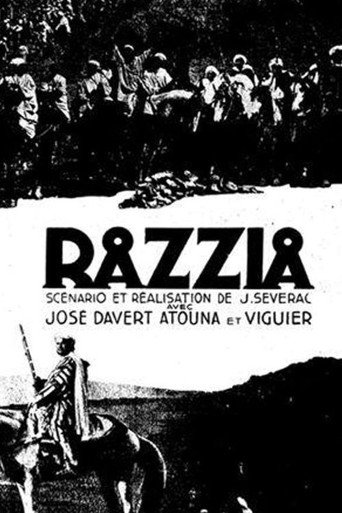
Storm of Marrakech
In 1318, in Morocco, a bandit kidnapped the marabout's daughter as a hostage, demanding that the gates of the city be opened to her. The boss, fiance of the young girl, learns that she is safe and sound and organizes the resistance. He puts the bandit and his band to flight and brings back the young girl.
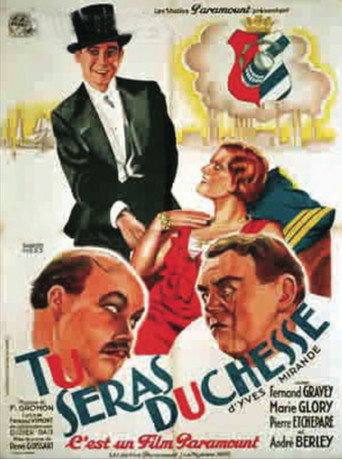
You Will Be a Duchess
"Tu seras duchesse!" ("You'll Be a Duchess!") With these words, self-made industrialist Poisson orders his daughter Lucie to marry a wealthy Duke. The duke's father objects to the union, whereupon Poisson arranges another marriage for his daughter, this time to an impoverished and sickly young marquis. Poisson's strategy runs something like this: the Marquis is expected to die soon, whereupon the widowed Lucie will become a marquess, and thus a worthy bride for the Duke. But the Marquis foils these plans by staging a miraculous recovery. The explanation? The Marquis and Lucie have been in love all along, and this was the only way that they could wed with Poisson's blessing. Darned clever, these Frenchmen!.
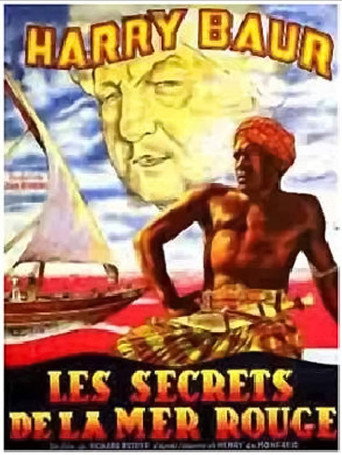
The Secrets of the Red Sea
Said Ali, an old and sick noble Arab, living on an island in the Red Sea, has no other occupation than collecting pearls. The spiteful Nadir tries to take possession of the treasure, he kills Said Aly but finds a terrible death by desecrating his tomb.
Les Gaietés du palace
Whoever brings the Countess back her stolen necklace will receive a bonus of ten thousand francs. Honoré, the vagabond, who involuntarily finds himself in possession of the jewel, offers it to a little peasant girl who had been charitable towards him and with a touch of melancholy, resumes his journey.
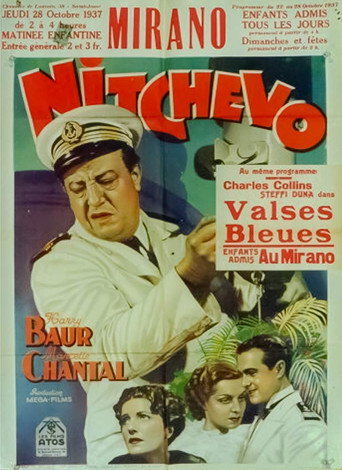
Nitchevo
A commander suspects his wife of infidelity, when she turns to a subordinate officer to help her against someone threatening to blackmail her about her troubled past.
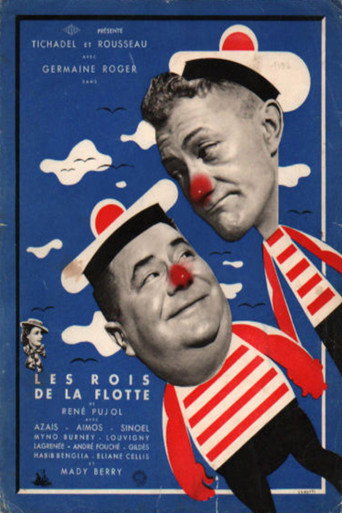
Les Rois de la flotte
Cruchadouze and Castaniet are two inseparable friends. One day they decide to leave Arcachon to try the adventure in Bordeaux. After various odd jobs, they come into contact with Betty Florent, the banker's wife. This one has just been contacted by a former accomplice who blackmails him by offering him an insurance scam. A big bonus on the head of a simpleton. Cruchadouze was passing by.
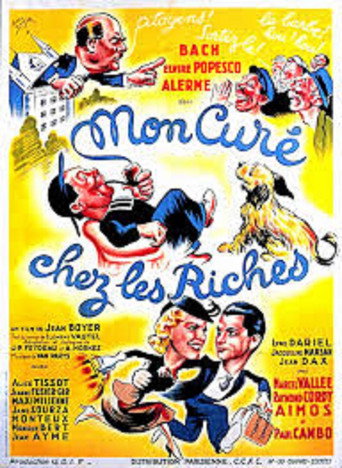
Mon curé chez les riches
In the village of Sableuse, the local manor has been bought out by a nouveau riche, Emile Cousinet. When his wife Lisette, a former music hall actress, flees to Paris with young Pierre de Sableuse, Cousinet asks Father Pellegrin, the village vicar, to bring the lost sheep back home.
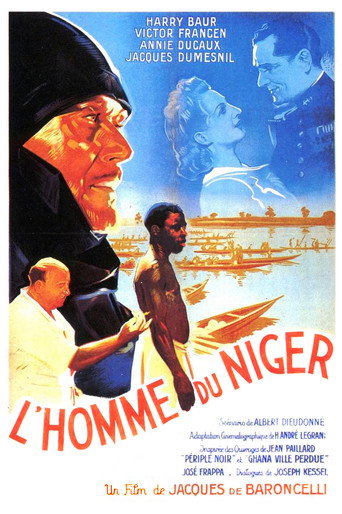
African Diary
During a French construction project in the Sudan, a military doctor fights against leprosy and the natives seek protection against witch doctors.
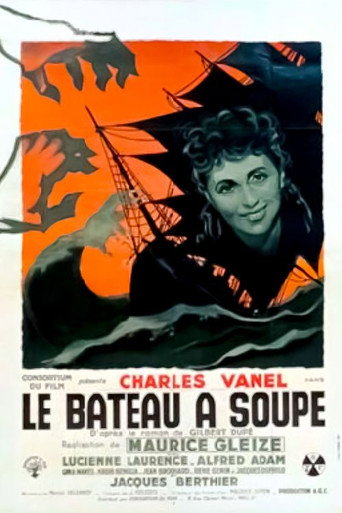
Le Bateau à soupe
Hervé is a tough sea captain in command of the "Duchesse Anne", a rum-trading ship. But the sea dog hides a tender heart and he allows Marie-Douce, a poor slum girl who dreams of seeing the wide world,on board. To have her accepted by the crew, he passes her off as his niece. A seasoned master like him, wise enough to ban alcohol use on his ship, should have known better : a beautiful girl on the deck cannot but unleash the savage instincts of all those men without women.
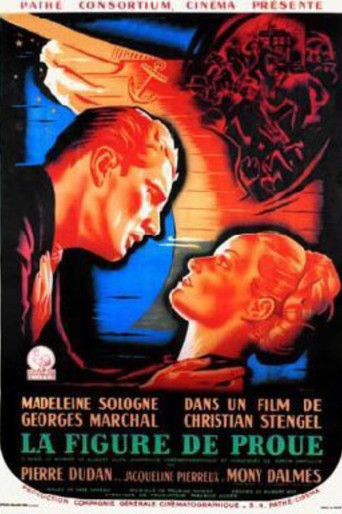
The Figurehead
At sea, sailors have got to make do with what they have. François is in love with.... the figurehead, the bust of a gorgeous woman.
Gallery