Acting
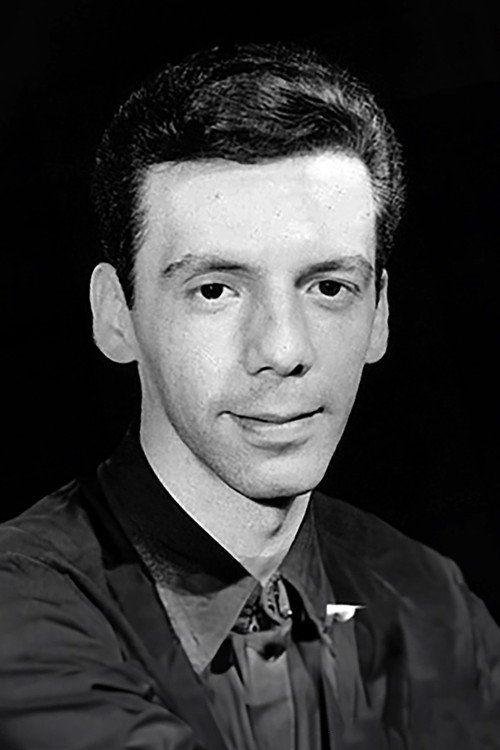
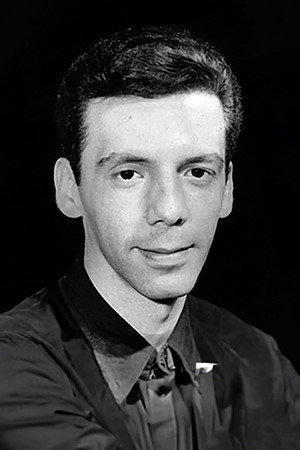
Hélio Oiticica (Rio de Janeiro, July 26, 1937 – Rio de Janeiro, March 22, 1980) was a painter, sculptor, visual artist and performance artist with anarchist aspirations. He is considered one of the greatest artists in the history of Brazilian art.
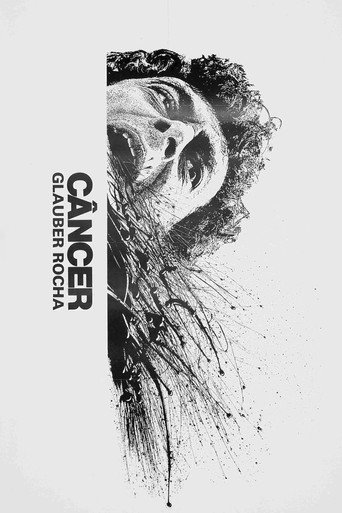
A late-1960s interview with Brazilian filmmaker Glauber Rocha, mixed in avant-garde style with scenes from his films and clips from fellow filmmaker José Mojica Marins and visual artist Hélio Oiticica.
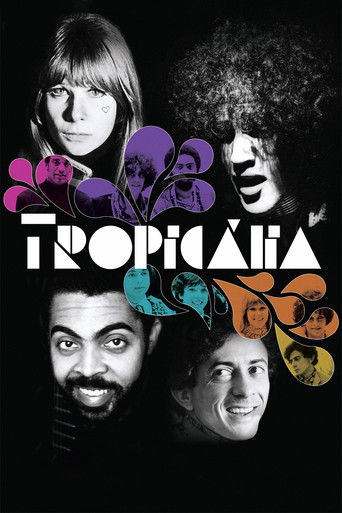
Set against the turbulent atmosphere of the 1960s, Tropicália is a feature length documentary exploring the Brazilian artistic movement known as Tropicália, and the struggle its artists endured to protect their right to freely express revolutionary thought against the traditional Brazilian music of that time.
Experimental short film, shot in Super 8.
Documentary with fragments and records about the boundaries between art and counterculture, based on a debate held at the Museum of Modern Art, Rio de Janeiro, in October 1968.
This film shows people with constant psychological and social conflicts: the violence among outlaws, conflicts between man and woman, police and society.
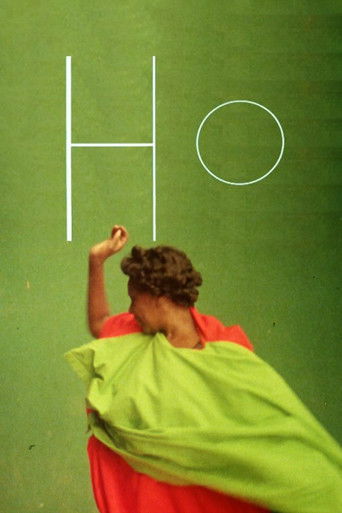
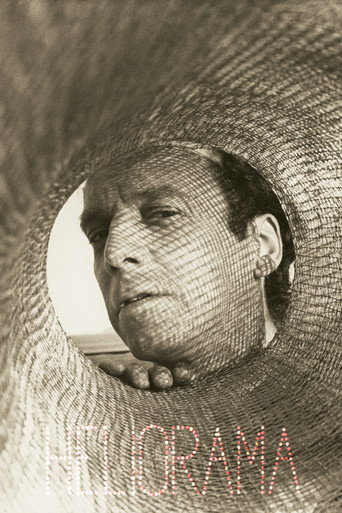
An experimental film on Brazilian avant-garde artist Hélio Oiticica and his works, especially the Parangolés.
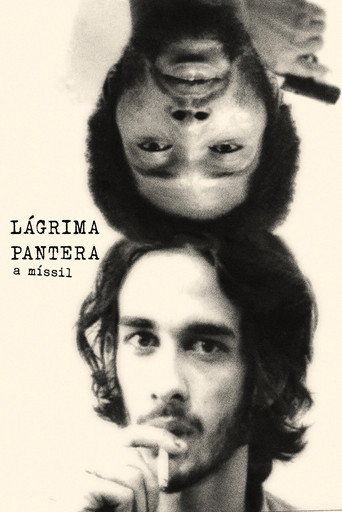
A silent film shot in New York in 1972, including scenes in Hélio Oiticica’s apartment. Last film made in exile by Bressane, it mimics the experimental concept of "quasi-cinema" by Hélio Oiticica. It consists of a fragmentary experience of freedom, in super-8 and 16mm, in a code out of time, out of the square, while recreating (with different cameras) the wild and sensitive look that Oiticica dedicated to cinema. Its definitive 71-minute restored version was completed in the early 2000s.
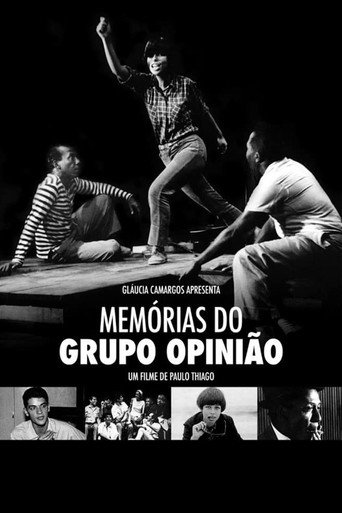
Follows the story of Opinião, a theatre group created in 1964 during the early Brazilian dictatorship period to oppose the government through artistic performances. Considered the first left-wing response to the dictatorship, the group gathered now famous Brazilian artists such as Nara Leão, Maria Bethânia, João do Vale and Millôr Fernandes.
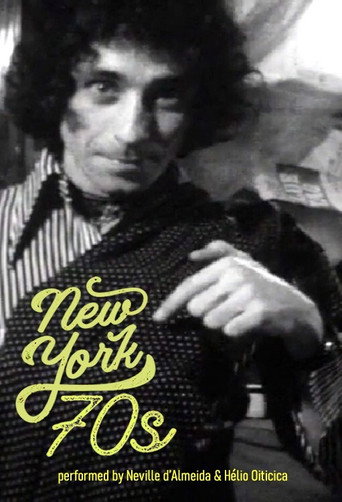
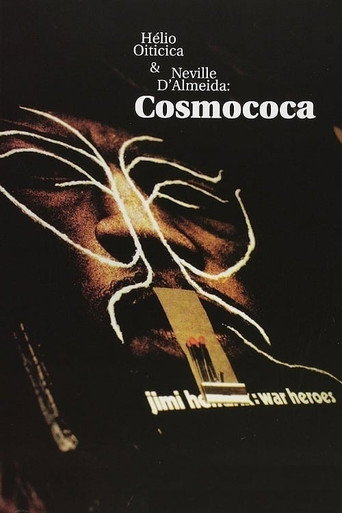
In 1973, exiles from Brazil during the military dictatorship, artist Hélio Oiticica and filmmaker Neville D’Almeida lock themselves in an apartment in Manhattan and fantasize a series of iconic sensory installations called quasi-cinema - experience blocks in Cosmococas. The work features slide projections on the walls of the rooms, showing drawing sessions carried out by the artists, using cocaine for doodling and a pocket knife as a brush.
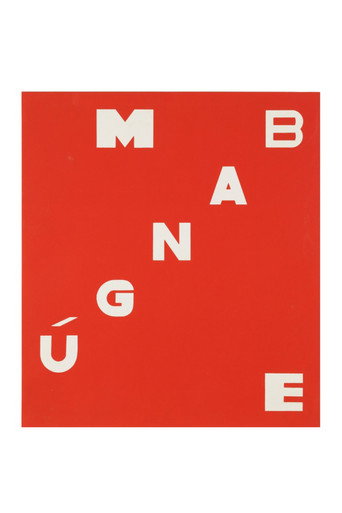
The quasi-fictional story of transgender sex workers living in Rio de Janeiro's swampy red light district, who are joined by a group of hippies and a runaway stockbroker, "Mangue-Bangue" is the paradigmatic expression of the post-1968 spirit of desbunde, the Brazilian slang catchword for "sex, drugs, and rock 'n' roll".
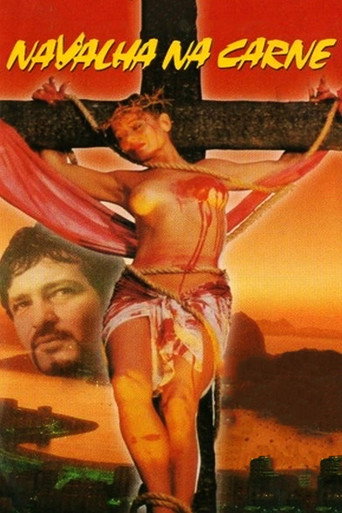
The story of three characters in a brothel room: the prostitute Neusa Sueli, the gigolo Vado and the homosexual Veludo speak of their lives and expose their marginality.
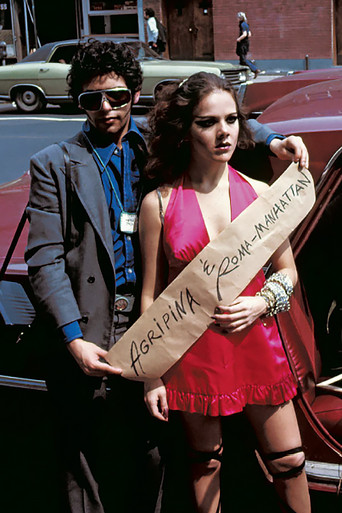
In Manhattan and Wall Street's majestic, neoclassical architecture, characters try their luck, ambiguously posted between the mundane and transcendence.
A collage of newsreels, trailers, clips and other visionary and unseen fragments of sight and sound regarding the late plastic artist Helio Oititica.