Acting
No biography available.
A neo-nazi sentenced to community service at a church clashes with the blindly devotional priest.
A drama about a boy who's inspired by Dr. Martin Luther King Jr. and challenges repressive school authority in 1969 Denmark.
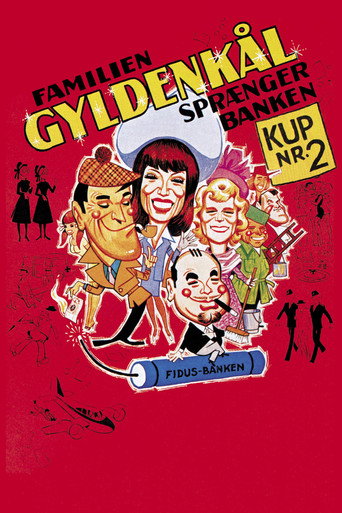
The second film in the series about the enterprising Gyldenkål family. Now the family has climbed to the top of the social ladder, but unexpected demands from the tax authorities mean that a forced auction is imminent. So they embark on their biggest scam yet: defrauding Fidusbanken.
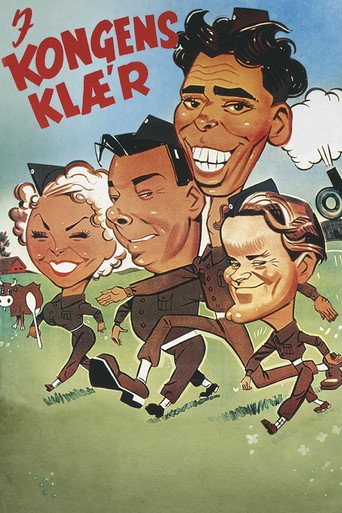
Kjeld Petersen plays a merchant who has stolen his clothes when he is out take a dip in the Sound. He stopped by the police, and they find a call to military service in his pocket, after further complications lands him at the barracks, where he came under the loving care of 66 (Dirch compatible) and 65 (Ove Sprogø). So the stage is set for lots of fun and games, in the right old style.
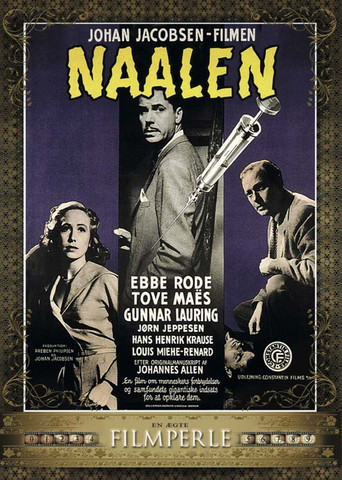
Early morning. A young couple enters their apartment after locking themselves out. The home is completely empty and dark, and there is no sign of the family who had been their neighbors for years. The lights don't work, and when they finally manage to light a match, they see the body of the old girl slumped in an armchair.
"Naalen" is the title character in the film, a ruthless black market kingpin whose wake inevitably follows a series of other crimes. How "Naalen" got his strange nickname will not be revealed here, but it can be hinted that it has a close connection to the precious and rare commodity he deals in his "business": insulin.
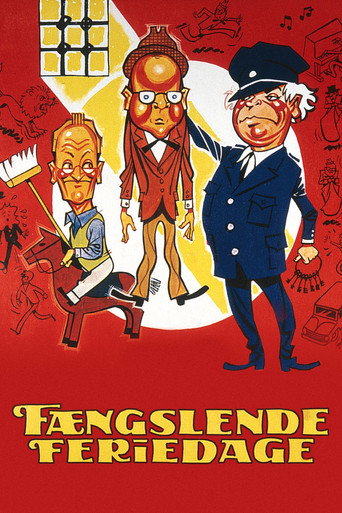
Four young men, Henry, Toft, Tam, and Klausen, take the train to Maribo, ending up at the prison gates. All four are serving sentences for drunk driving. They are a little embarrassed, but each has a good explanation for the "accident." They are "almost innocent" and therefore entitled to make the best of their voluntary "vacation."
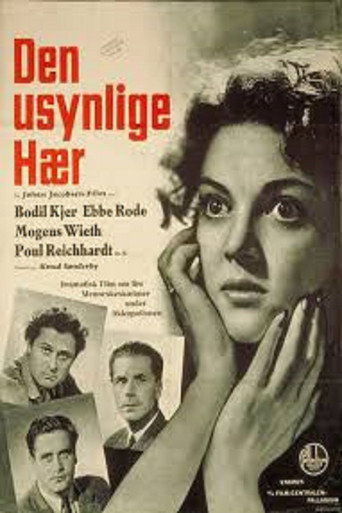
A suspense tale revolving around the memories of a Danish saboteur as he awaits his execution in a German war-time prison.
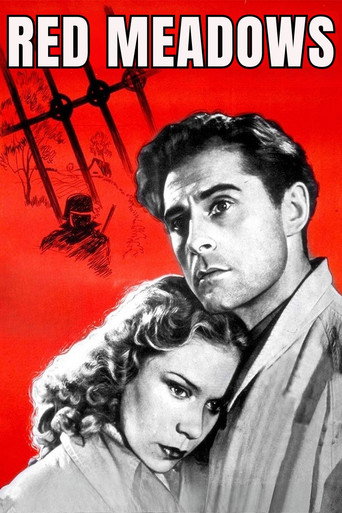
Sabotage of a Nazi factory is carried out by the husband of the lover of a resistance leader.
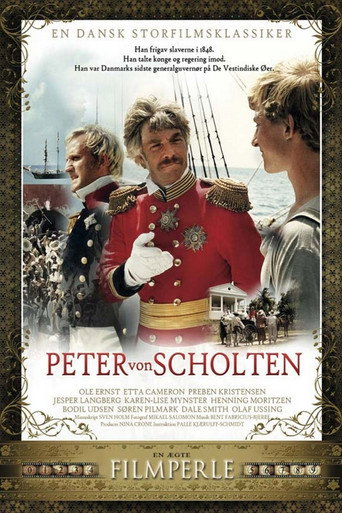
He freed the slaves in 1848. He spoke out against the king and the government. He loved his wives equally. He was colorful, he was autocratic, he was Denmark's last governor-general of the West Indies, his name was Peter von Scholten. The film about him is a magnificent story of greatness, power, and stubbornness on the one hand, and of love, loyalty, and melancholy on the other. It is a colorful gallery of characters that depicts the times, the Dane in a foreign land—and the black man in relief to the white.