Production
No biography available.
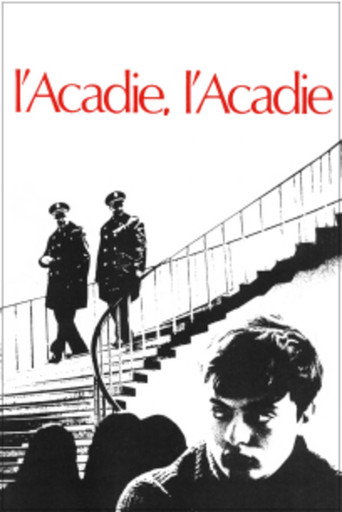
In the late 1960s, with the triumph of bilingualism and biculturalism, New Brunswick's Université de Moncton became the setting for the awakening of Acadian nationalism after centuries of defeatism and resignation. Although 40% of the province's population spoke French, they had been unable to make their voices heard. The movement started with students-sit-ins, demonstrations against Parliament, run-ins with the police - and soon spread to a majority of Acadians. The film captures the behind-the-scenes action and the students' determination to bring about change. An invaluable document of the rebirth of a people.
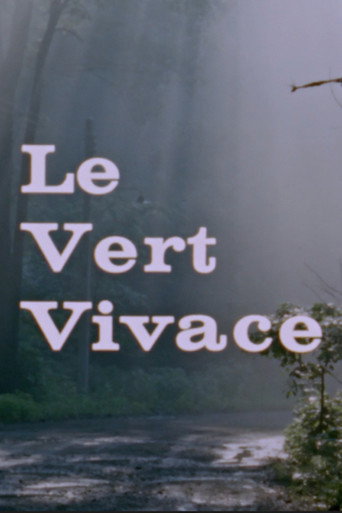
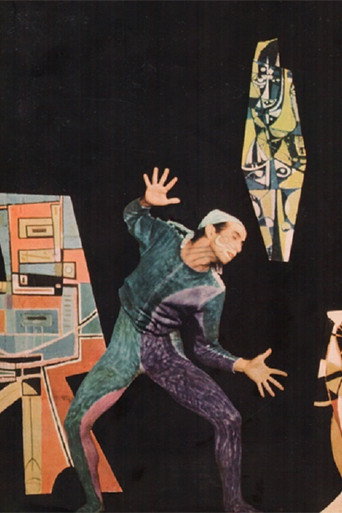
A film by Christopher Chapman, known for his lyrical films of countryside and wilderness. He turns his colour camera on the growing city and there finds cheering proof that despite concrete and bulldozer, the persistent seed prevails. The film is without commentary and the camera work is a constant delight, for Chapman has the gift of catching life smiling wherever he may look. Film without words.
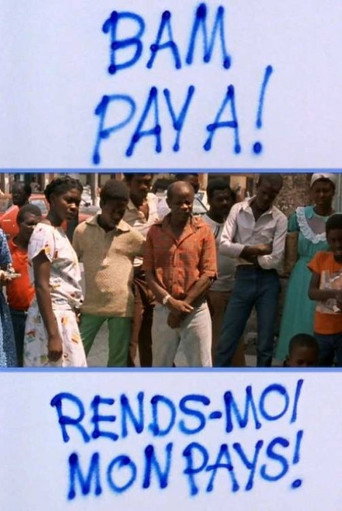
In this feature documentary, a Haitian, exiled in Canada for twenty years, returns to his country after the departure of Jean-Claude Duvalier. Through his encounters with former friends, professors and colleagues, the face of this newfound Haiti gradually takes shape… Shot in Haiti after the fall of the Duvalier regime, this film, beyond a simple observation, shares with us the hopes of the Haitian people as well as their fears and uncertainties regarding this country that has yet to be built.
A short film from Guy L. Coté
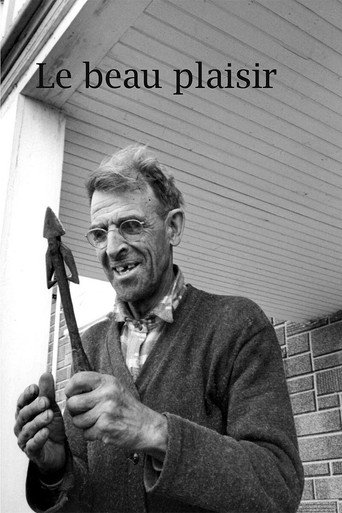
From the lower St. Lawrence, a picture of whale hunting that looks more like a round-up, with a corral, whale-boys and all. In 1534, when he stopped at the island he named l'Île-aux-Coudres, Jacques Cartier saw how the Indians captured the little white beluga whales by setting a fence of saplings into off-shore mud. In the film, the islanders show that the old method still works, thanks to the trusting 'sea-pigs,' the same old tide, and a little magic.
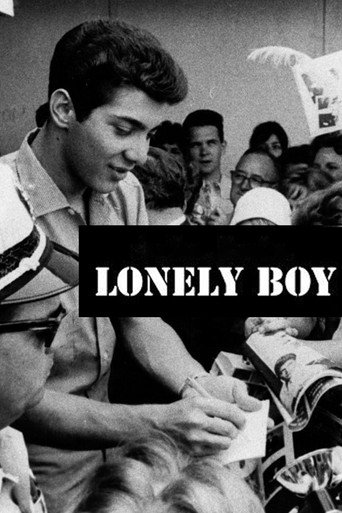
This short film portrays the story of singer Paul Anka, who rose from obscurity to become the idol of millions of adolescent fans around the world. Taking a candid look at both sides of the footlights, this film examines the marketing machine behind a generation of pop singers. Interviews with Anka and his manager reveal their perspective on the industry.
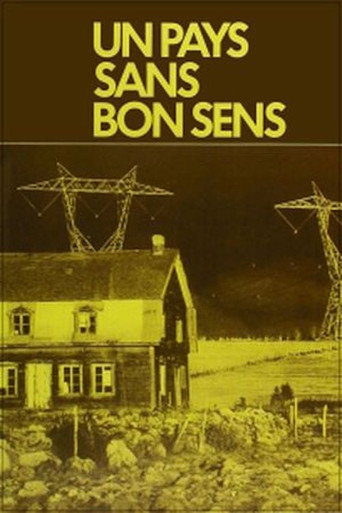
Structured as a cinematic essay, "Un pays sans bon sens!" explores the emotional and political foundations of belonging to a nation. Moving between Quebec, France, and Western Canada, Pierre Perrault interrogates questions of cultural maturity, autonomy, and territory at a moment when French Canadians were reexamining their collective identity.
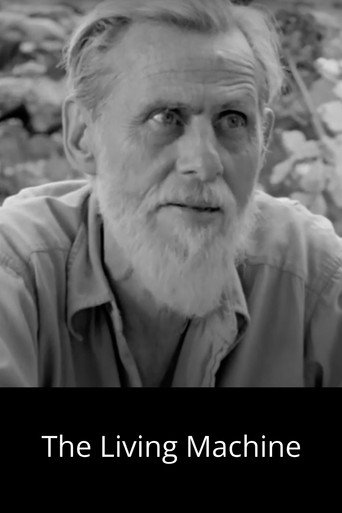
In two half-hour parts, The Living Machine explores the progress made in electronics technology and looks forward to an exciting world-to-be. Produced in 1962, the first part demonstrates the capacities of a computer's "artificial intelligence," far exceeding that of any one human brain. The second part shows experiments in electronically duplicating some sensory perceptions.
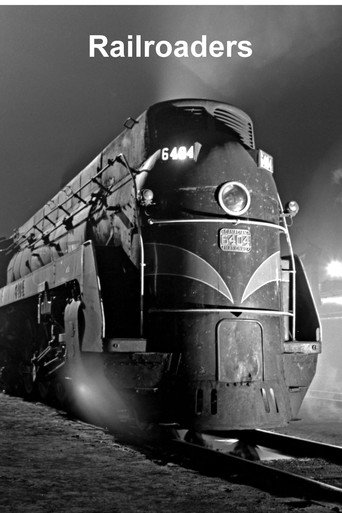
A film about winter railroading in the Canadian Rockies and the men who keep the lines clear. The stretch between Revelstoke and Field, British Columbia, is a snow-choked threat to communications. The film shows the work of section hands, maintenance men, train crews and telegraph operators.