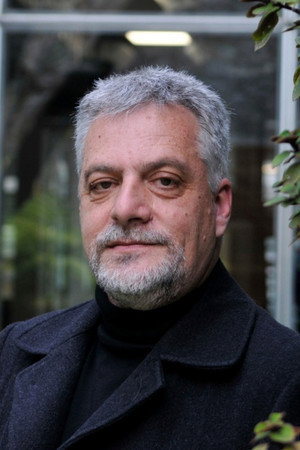
Gustavo Fontán Movies, TV Shows, and Filmography
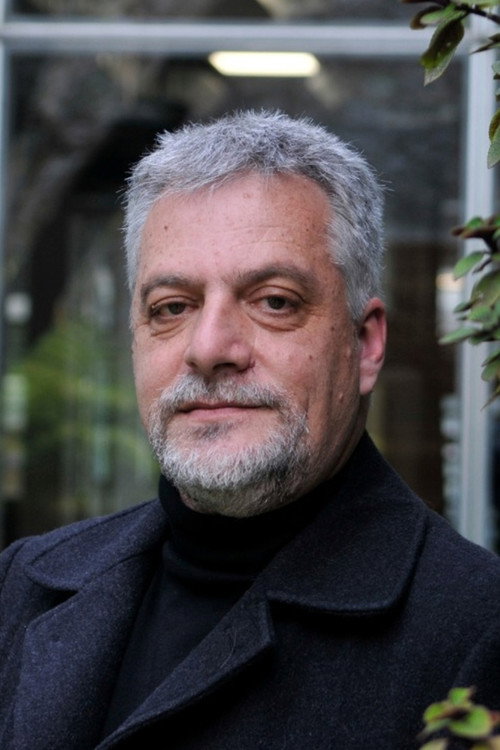
Gustavo Fontán
Directing
Biography
No biography available.
Filmography Movies
Acting
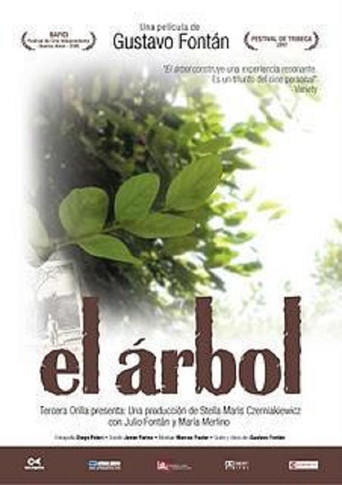
El árbol
An elderly couple debates whether to cut down an ancient acacia tree that has witnessed the major memories of our lives.
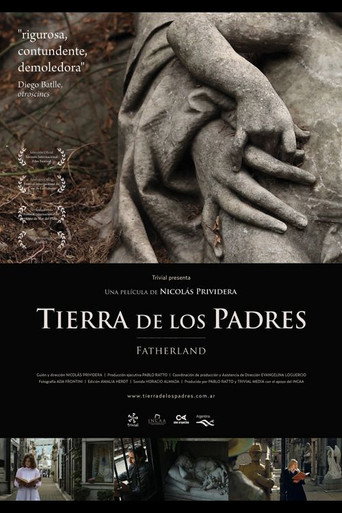
Fatherland
Fatherland brings a rigorous structural approach to a site of monuments that is also a place of movement, criss-crossed daily by tourists and locals. The grounds are laid out like city blocks, with wide avenues branching onto laneways filled with elaborate mausoleums. The film does not attempt to tour the cemetery as one would on foot, however, but rather moves chronologically through the history enshrined there. A series of individuals are framed in static compositions as they read aloud excerpts from the writings of noteworthy Argentines interred within. (Some license has been taken, as the final resting places of certain figures represented - such as journalist Rodolfo Walsh, who was among the "disappeared" - remain unknown. The result is both poetic and political.) Beginning in the early 1800s, this history comprises civil war, battles with the country's native population, the conflict between the city and the provinces, and years of military dictatorship.
Production
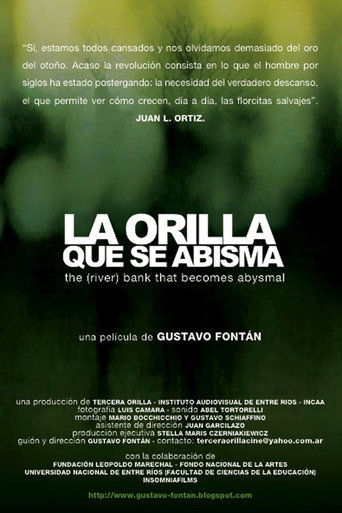
The Shore That Falls
La orilla que se Abisma is conceived as a journey, a trip along a river. Like rivers, like all journeys, the film has meanders, small riverbeds, detours and moments of rest.
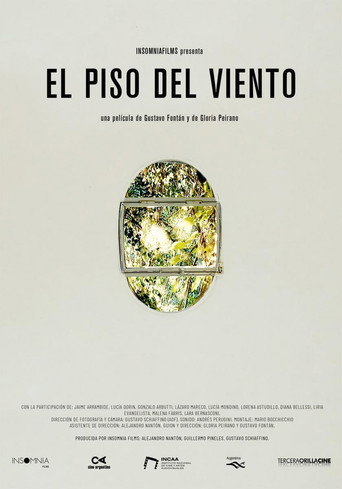
El piso del viento
A couple builds a space to live. When it is finished, before inhabiting it, they invite a group of people to visit it. The invited people circulate individually through this new and empty space. They look, they walk, they talk. The film tries to rescue the effect of that experience in each one of them. So the space itself becomes an experience. What will they leave of themselves? What will they take? What will they show of the human? What is a house? What do you do with the past? The series of people who briefly inhabit that place, recently built, still free of all traces, could be thought of as infinite. The space fills and empties. The residual of that transit remains: a luminous fragility.
El piso del viento
A couple builds a space to live. When it is finished, before inhabiting it, they invite a group of people to visit it. The invited people circulate individually through this new and empty space. They look, they walk, they talk. The film tries to rescue the effect of that experience in each one of them. So the space itself becomes an experience. What will they leave of themselves? What will they take? What will they show of the human? What is a house? What do you do with the past? The series of people who briefly inhabit that place, recently built, still free of all traces, could be thought of as infinite. The space fills and empties. The residual of that transit remains: a luminous fragility.
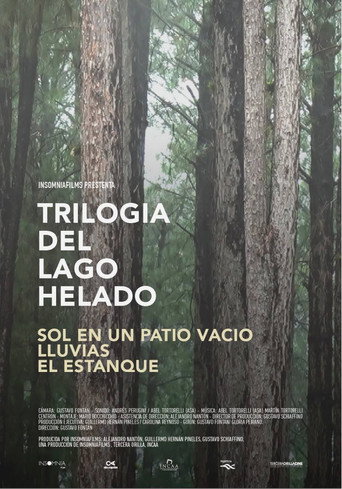
El estanque
A journey through everyday’s life. Streets, squares, zoos, houses, roofs, men, women, roads, but all of it seen as if that world was someone else's, as if it was lost in time. The world is there, but there is no place to settle. A film that speaks about everyday’s life, but with the voice of the sleepwalkers. Some sort of blind, nocturnal continuum that no one knows for sure what it is.
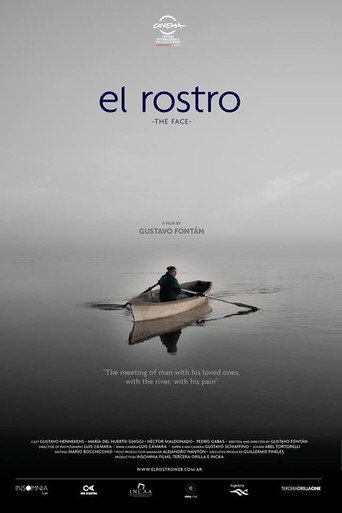
The Face
A man in a small boat reaches an island on the Paraná River. He heads towards a site where there used to be a house or small village. Now there is nothing. Slight signs of something old and lost: the place where he was born. His presence allows the things in the abandoned spot to materialize: huts and tables, animals and canoes. Soon others arrive on the island: his wife, father, friends, and children. This is a meeting of the Man and his loved ones. With the dead, the birds, the river's music and his pain.
The Face
A man in a small boat reaches an island on the Paraná River. He heads towards a site where there used to be a house or small village. Now there is nothing. Slight signs of something old and lost: the place where he was born. His presence allows the things in the abandoned spot to materialize: huts and tables, animals and canoes. Soon others arrive on the island: his wife, father, friends, and children. This is a meeting of the Man and his loved ones. With the dead, the birds, the river's music and his pain.
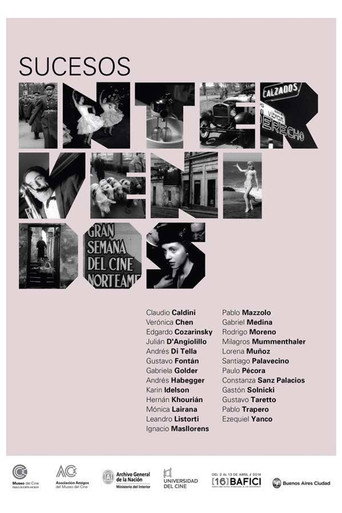
Intervened Events
The omnibus feature SUCESOS INTERVENIDOS consists of shorts by a who’s who of Argentine documentary and experimental-film giants, including Edgardo Cozarinsky and Gustavo Fontán but also Claudio Caldini, Andrés Di Tella and Gabriela Golder. Each one of them created a piece of a few minutes in length using archival footage from SUCESOS ARGENTINOS (“Argentine Events”), a popular newsreel series from 1938 to 1972 whose episodes have recently begun to be digitized by Buenos Aires’s “Pablo C. Ducrós Hicken” Film Museum.
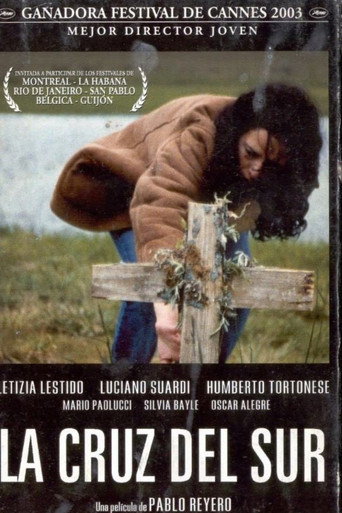
The Southern Cross
Nora and Javier have been hired to transport a shipment of cocaine in an ambulance. With the help of Wendy, Javier's transvestite brother, they rob a part of the shipment and escape from the police. Moulded by loneliness, indifference and a lack of communication, Nora, Javier and Wendy are three youths with no future who move on the outer rim of society and are helpless in the face of a corrupt power. They hide in El Marquesado, a seaside resort built by the military on dynamited cliffs where Rodolfo and Mercedes, Javier and Wendy's parents, survive by rustling pigs and cows from neighbouring farms. The conflicts and tensions in this marginal family resurface as they are reunited in this remote place with a sinister past.
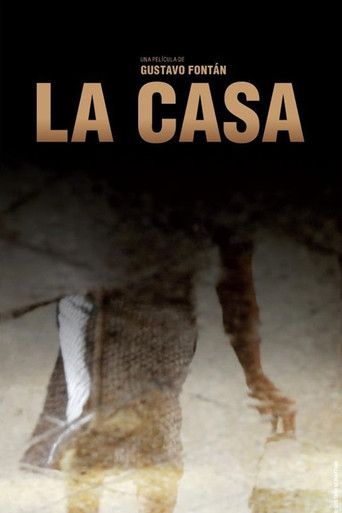
La casa
In the house where several gererations used to live no one is living anymore At least apparently. Because if any one intensifies hearing and view, he can see He sees the footprints of formers inhabitants. He sees the marks of life and death in the deserted spaces He is the witness of the persistence of voices , bodies, ligths and shadows.
Gallery