Acting
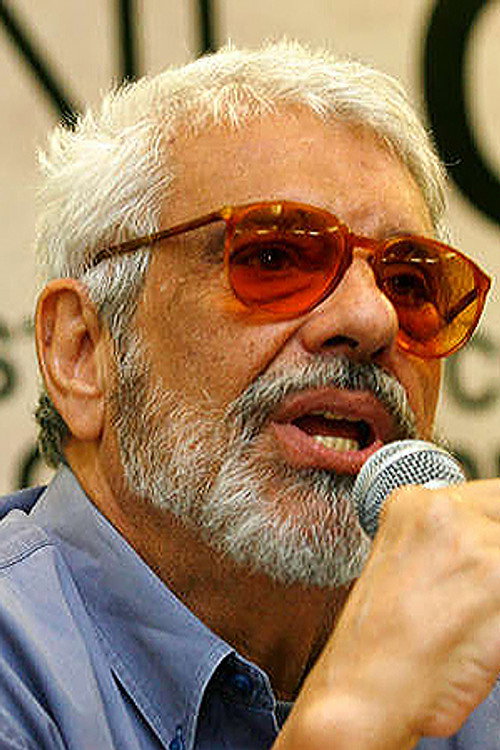
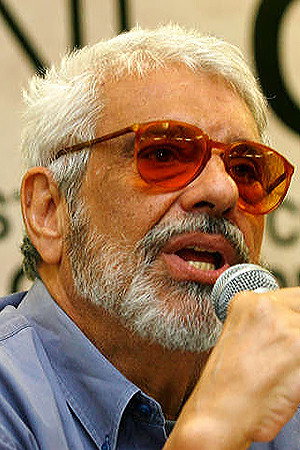
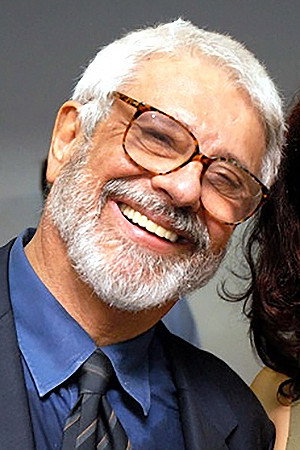
Gustavo Dahl (Buenos Aires, October 8, 1938 - Trancoso, June 26, 2011) was a naturalized Brazilian filmmaker, critic and public manager of cinema. He was married to actress Maria Lúcia Dahl.
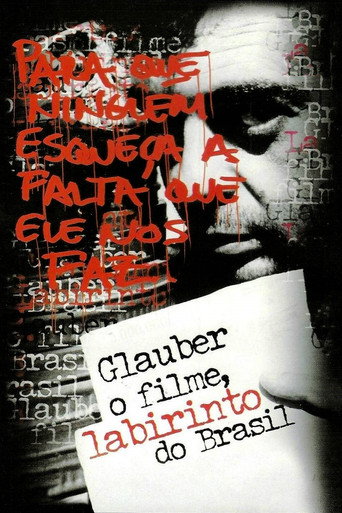
Documentary about Brazilian filmmaker Glauber Rocha, one of the most important names in the Cinema Novo, with interviews with some of his friends and colleagues.
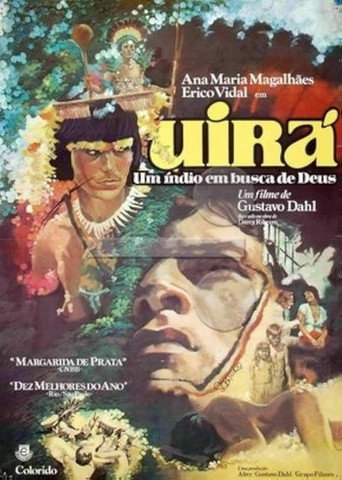
After the death of his eldest son, who fell victim to a disease transmitted by white people, the Indian Uirá, chief of the Urubú tribe, decides to set off in search of the god Maíra, creator of the world of men, with whom only brave warriors of the forest are reunited after death. Uirá will also encounter the 'civilisation' of the new Brazil.
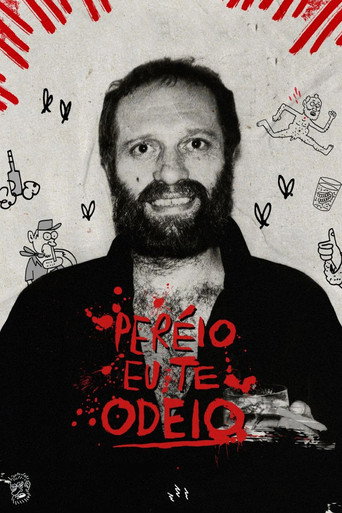
23 years in the making, “Pereio, Eu Te Odeio!” is a documentary on legendary Brazilian actor Paulo Cesar Pereio, an irreverent and controversial artist and public figure, as told by the testimonies of friends, family, and society members who hate him.
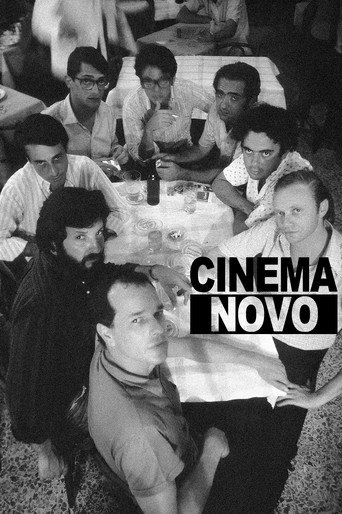
Originally produced for German TV, Improvised and Purposeful is a firsthand look at the "Cinema Novo" movement (otherwise known as the 'Brazilian New Wave'). Director Joaquim Pedro de Andrade focuses on six Cinema Novo filmmakers working in Rio in 1967.
A behind-the-scenes look at the making of Glauber Rocha's 1980 production "A Idade da Terra" (The Age of Earth), including unedited clips taken from the sixty hours of recovered raw footage.
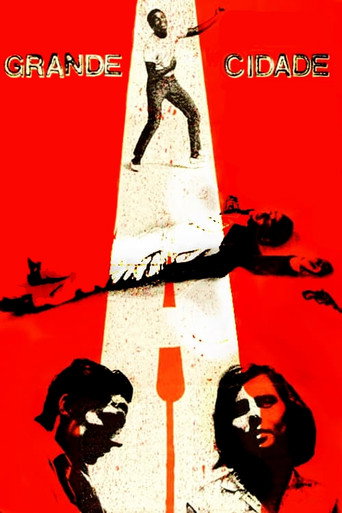
In search of a better life, Luzia leaves the Northeast of Brazil and goes to Rio de Janeiro, looking for her fiance who went first to pave their way. Alone in the Marvelous City, she is forced to accept the friendship and protection of Calunga and, later, the company of Inácio.
It is the magazine that continues the Modern Art Week of 22.
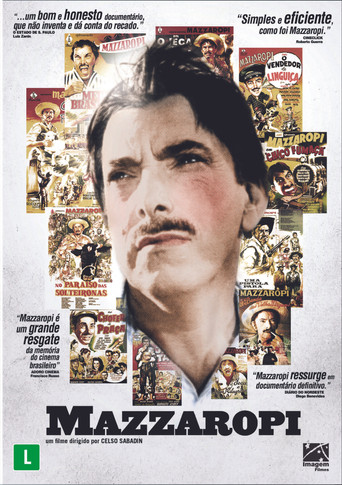
A documentary on the life and work of Amácio Mazzaropi, a phenomenon of popularity and profitability of Brazilian cinema.
A deep investigation, in the way of a poetic essay, on one of the main Latin American movements in cinema, analyzed via the thoughts of its main authors, who invented, in the early 1960s, a new way of making movies in Brazil, with a political attitude, always near to people's problems, that combined art and revolution.
In the 1970s, in the midst of a military dictatorship, composer Jards Macalé and filmmaker Luiz Carlos Lacerda (Bigode) shared a house in Rio de Janeiro - which became a center of convergence for musicians, filmmakers and writers, and where they performed classic films and songs of Brazilian culture.
In the early 17th century, the Dutch have occupied Bom Jesus village, the last native stronghold in the Pernambuco captaincy. An adventurer, João Fernandes Vieira, sees himself in the middle of a conflict, torn between joining his friend Mauricio de Nassau alongside the ruling Dutch and siding with his lover Ana Paes in the fight to free his homeland.
Young congressman Miguel Horta represents a party that is directly opposed to the present government. He slyly switches parties in order to gain favor with those in power, seriously compromising his own ideals and ethics in the process.
The heyday and glory of mining towns, which emerged in the 18th century, at the height of the gold cycle. The testimony of wealth in the baroque churches of Ouro Preto, Sabará and Mariana.
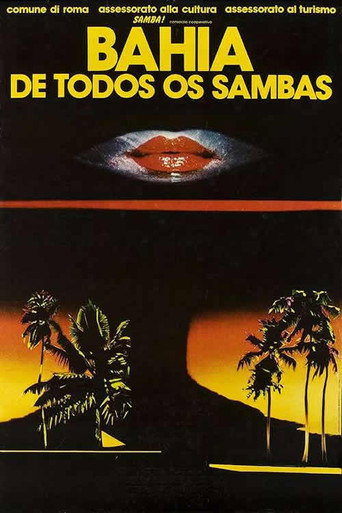
Between August 23 and 31, 1983, at the "Circo Massimo", in Rome, there was a musical event that brought together artists from Bahia. This film brings a recording of the event, also featuring backstage, rehearsals, testimonies and some relaxing moments of these great names in Bahia's music.
Expedito, after being abandoned by his parents, became Zefa's adopted son until he became a man and started earning his living as an independent fisherman. As soon as he finds out that Zefa is very ill, Expedito runs back home and finds his adoptive mother in agony. At the edge of the bed, a mysterious woman, who claims to be Death, sits.