Camera
No biography available.
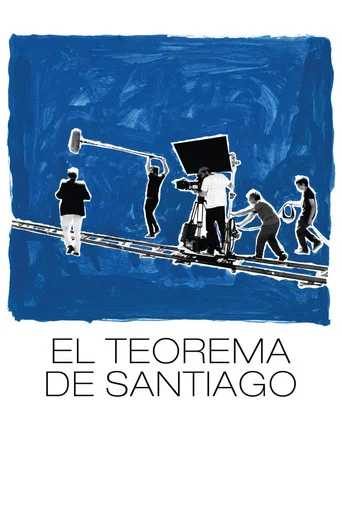
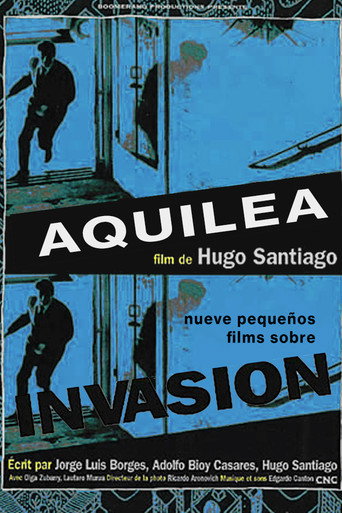
In 1969 Argentine filmmaker Hugo Santiago directed Invasión, his opera prima, written by Jorge Luis Borges and Adolfo Bioy Casares, and later settled in France. This film documents his return to Buenos Aires in 2013 to shoot his latest film, Le ciel du centaure.
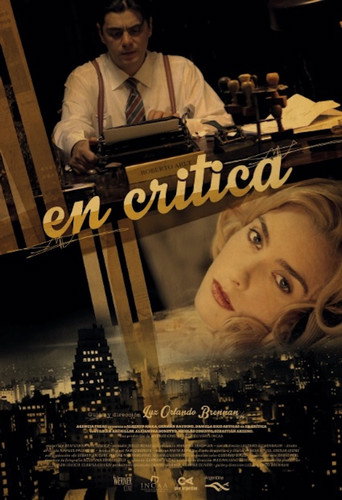
Buenos Aires. 1928. Midnight at the editorial department of the mythical newspaper 'Critica'. Once again, Roberto Arlt (one of the most renowned Argentine writers) must go on the hunt for a sensationalist story.
María Fernanda and Roberto have a tortuous relationship: they spend most of their day fighting. Problem is, their fights irradiate a laziness wave that overcomes little by little all of humanity. Both of them will have no other choice but to work out their problematic relationship, before the Laziness Wave destroys the world.
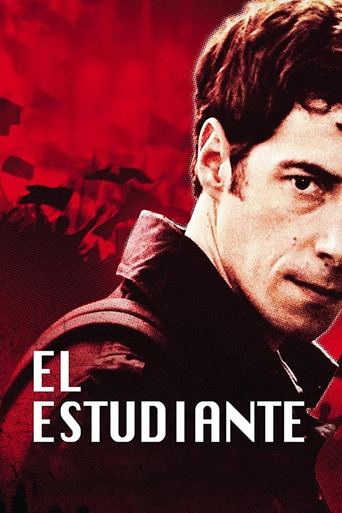
Roque starts University in Buenos Aires but he is not particularly interested in attending classes or working towards a degree. Instead, he dedicates his time to one of the many groups vying for control of the university, motivated less by grand political ideals than by a wish to get close to Paula, an attractive young teacher heavily involved in internal university politics.
Sergio and his family work in an estate in Argentina’s northern region. When their employers aren't home, they occupy the main house and emulate the life of the owners. Then Pia, the eldest daughter of the owner, arrives at the estate with the intention of staying a few days until her father’s marriage...
Three brothers wander for hours in an abandoned factory devoured by nature. They try to get to Luján to ask the Virgin for the health of their sick father. The siblings haven't been together for a while. Their attempts to unite the family seem like an impossible chimera: the past emerges, again and again, like an embedded stinger.
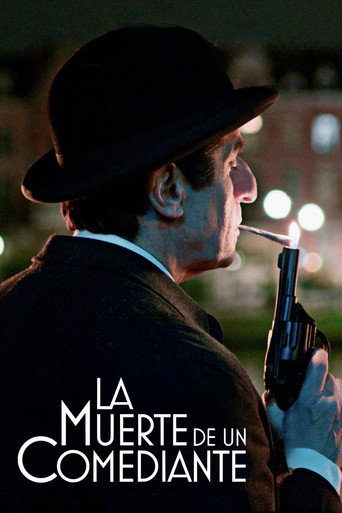
Actor Juan Debré has spent a lifetime playing the hero in a TV series while remaining detached from his own identity. When diagnosed with a terminal illness, he embarks on a surreal journey to Belgium, birthplace of his childhood comic book idol, in search of meaning and perhaps redemption.
Against the backdrop of a military dictatorship, Eugenia is reunited with her estranged family following her father’s stroke and is forced to confront dark secret.
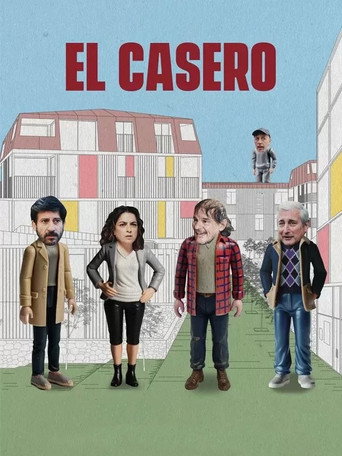
Marcela and her brother Claudio travel to the old family home in Villa Carlos Paz, with a project to turn it into a boutique hotel. Marcela is a prestigious architect, who returns to the country after separating from her American husband. Claudio, actor and bohemian, seeks inspiration to write a work that will finally take him out of anonymity. While the brothers wait for the investors to arrive, they notice that in their absence, the old landlord Ramón - who raised them since they were children - has taken over the house and rents it out for different activities. From this crossroads, The Landlord delves into the ties, frustrations and the need to make peace with the past.
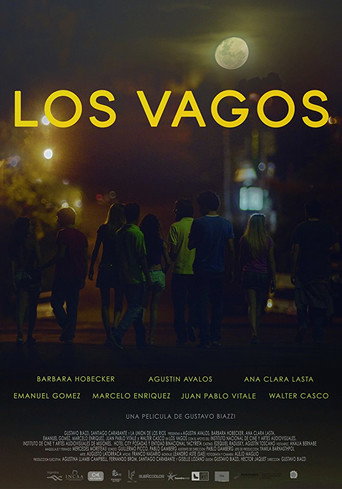
Despite his long-term relationship, Ernesto also has a fleeting romance with a blonde. Only when he is in danger of losing Paula, through his constant flirting with other women, does he see the consequences of his immature behaviour. In a calm tempo, with meticulous camerawork, the film subtly evokes a mood of nostalgia for a carefree adolescence from which Ernesto and his friends have difficulty taking their leave.