Production
No biography available.
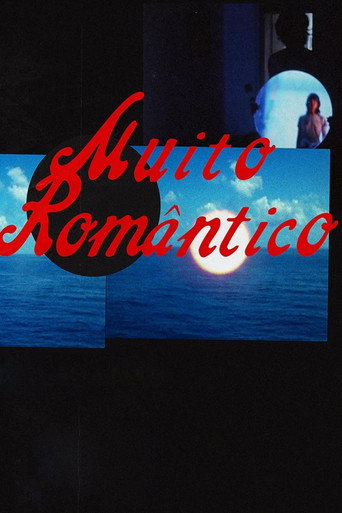
The adventure of Melissa and Gustavo starts aboard a red cargo ship crossing the Atlantic Ocean. It takes them from Brazil to Berlin, a city of perpetual movement, where the old constantly has to give space to the new. The couple finds a home and transforms it into the center of their own universe. As time passes and seasons change, life and cinema become interchangeable and their apartment evolves into an ever-changing stage, where friends are invited to play their own roles and reality and fiction merge. Until one day a cosmic portal appears in their home, opening connections between the past, the present and the future.
This allegorical docufiction provides the viewer with a lightly meditative and at the same time modern impression of the Christian holiday while paying witness to the transformation of the sacral space and the holiday's religious message. The film's anonymous protagonists from opposite sides of the world discuss the paths of their faith in this visually stylized and stylistically edited film.
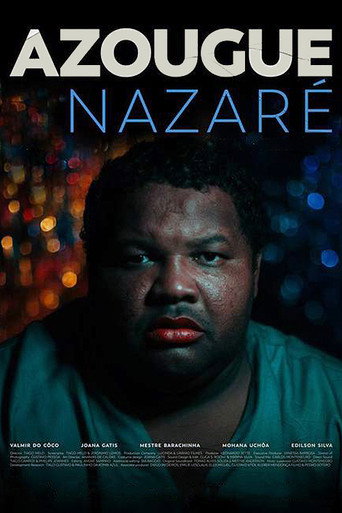
No measure of hellfire preaching can quell the boisterous and bawdy passions of Maracatu, an Afro-Brazilian burlesque carnival tradition with roots in slavery that takes place in the northeast state of Pernambuco. As the Falstaffian character Tiao, Valmir do Coco leads a nonprofessional cast of authentic Maracatu practitioners in a tale told through dance, music, and the supernatural, set in the sugarcane fields outside Recife.
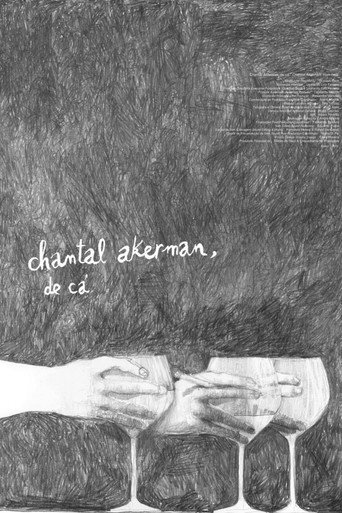
Invented by the post-New Wave, the exercise is well-known: put a filmmaker in the frame, make him talk about his career, evoke his admirations, rummage in his methods, and add words to silences, spoken images to seen images. It’s always very instructive. As is the case here too. Chantal Akerman, passing through South America, talks about herself for an hour, and it’s fascinating. Even if her recalling of the relationship between the cinema and time makes up only a few rare minutes.
The end of that land. The end of that time.
Fragments of the daily life of Álvaro, who left Pinochet’s Chile in the 1980s to invent a new life for himself in Brazil.
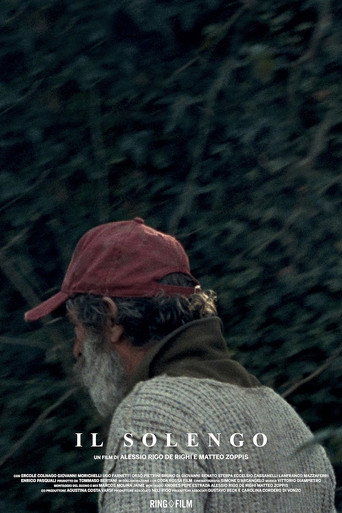
A documentary about the story of Mario de Marcella, a hermit that lived in the woods near Rome. He was called by hunters "Il Solengo" because that's how they call the lone boar that is cut off from the rest of the pack.