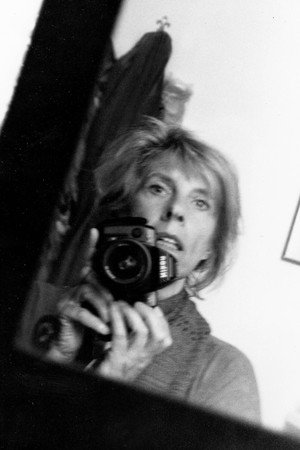
Gunvor Nelson Movies, TV Shows, and Filmography
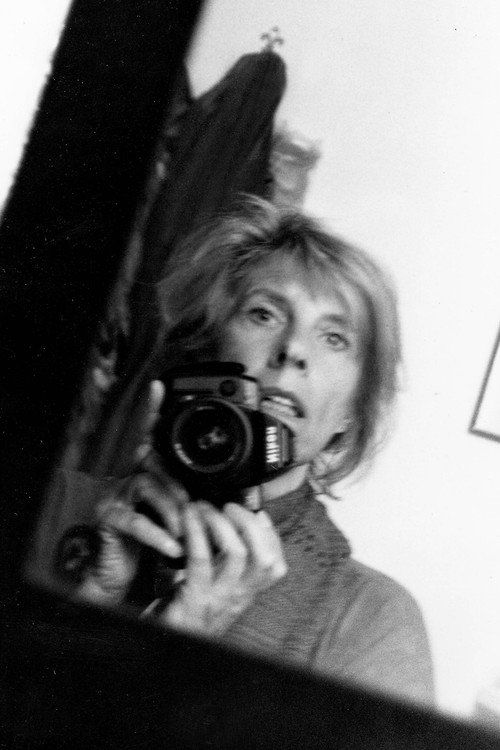
Gunvor Nelson
Directing
Biography
Gunvor Grundel Nelson (28 July 1931 – 6 January 2025) was a Swedish artist. She worked as an experimental filmmaker since the 1960s. Some of her most widely known works were created while she lived in the Bay Area in the mid-1960s and early 1970s, where she became well established among other artists in the avant-garde film circles of the 60s and to the present.
Filmography Movies
Acting
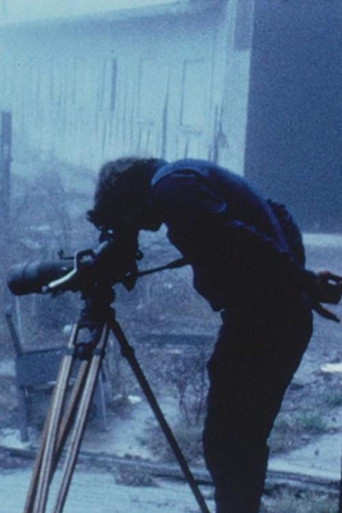
Five Artists: BillBobBillBillBob
A feature-length documentary directed by Dorothy Wiley and Gunvor Nelson about five working San Francisco artists: William T. Wiley, Robert Hudson, William Allan, William Geis and Robert Nelson-- A profile of five friends and their creative processes.
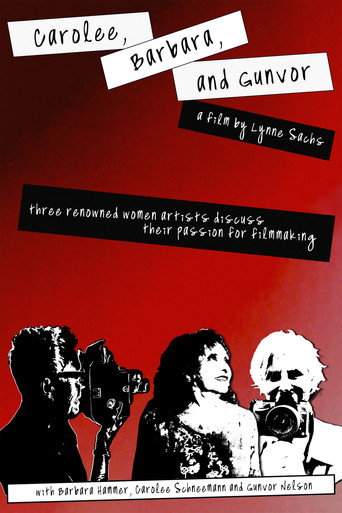
Carolee, Barbara and Gunvor
From 2015 to 2017, Lynne Sachs visited with Carolee Schneemann, Barbara Hammer and Gunvor Nelson, three multi-faceted artists who have embraced the moving image throughout their lives.
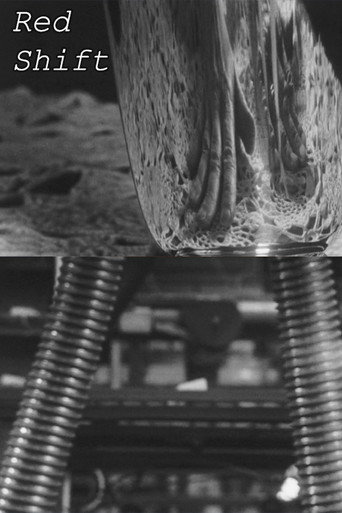
Red Shift
This magnus opus is a domestic symphony from a woman's point of view, the portrait of a grandmother, mother and child and their home. The women and their personal objects are mostly seen alone or relating to one another (except for touching scenes of the grandmother and grandfather together). A key aspect of Red Shift is the reading of selections from Calamity Jane's "Diaries," the most narrative aspect of the film. The Diaries are read against activities seen through a window, life passing by (people walking in winter, a river flowing). They tell how Jane lost her daughter and had to survive by using her talents to act like a tough and physically competitive man...
Production
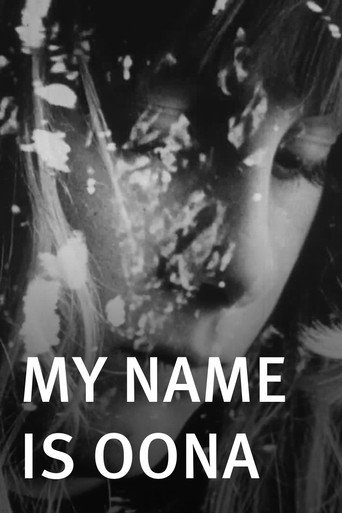
My Name Is Oona
Experimental film with Gunvor Nelson's daughter Oona. The sound consists of Nelson’s daughter, Oona, repeating the names of the days of the week and of her saying “my name is Oona”. The latter is edited into an expressive rythmical structure that accompanies the visual structure of the film that plunges into the experience of a child where both bliss and fear reigns.
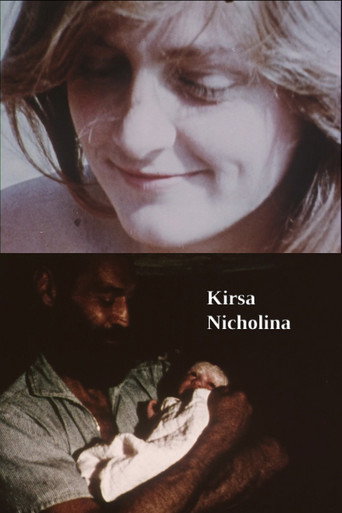
Kirsa Nicholina
Kirsa Nicholina records the birth of a child at home by the Lamaze method. The father assists in the birth, while a physician guides him. At the moment of birth, the mother reaches down and grasps the hand of the emerging child and guides it out of her body and into her arms.
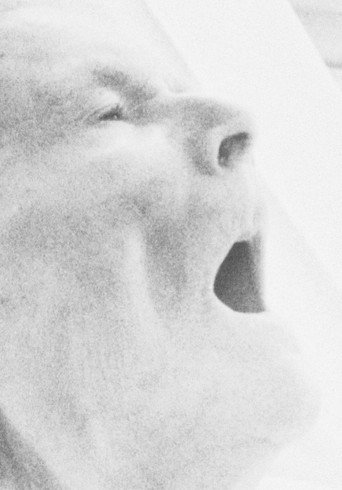
Time Being
Gunvor Nelson stares intently at her mother Carin, a woman whose body has been devastated by the challenges of her last days on this earth. In three astute shots, Nelson looks with honesty rather than awe at a woman whose spirit has somehow flown away but whose body still demands a share of our time and our space.
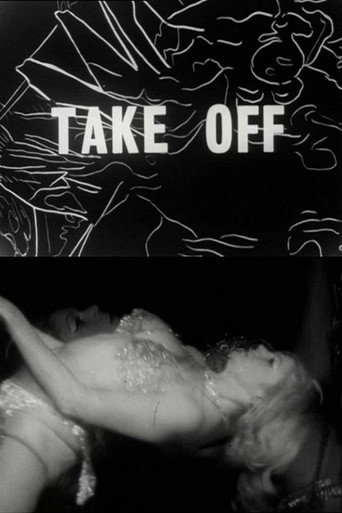
Take Off
Ellion Ness, a thoroughly professional stripper, goes through her paces, bares her body, and then, astonishingly and literally, transcends it. While the film makes a forceful political statement on the image of woman and the true meaning of stripping, the intergalactic transcendence of its ending locates it firmly within the mainstream of joyous humanism and stubborn optimism.
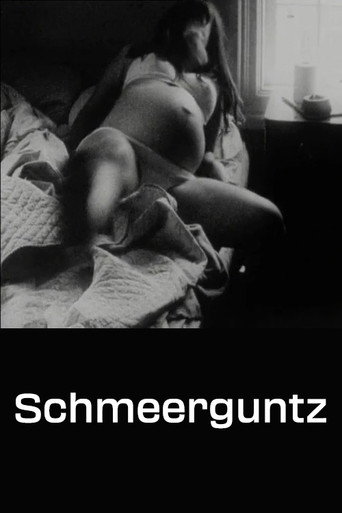
Schmeerguntz
A hilarious, grotesque and grave attack on the public ideal of the American housewife.
Red Shift
This magnus opus is a domestic symphony from a woman's point of view, the portrait of a grandmother, mother and child and their home. The women and their personal objects are mostly seen alone or relating to one another (except for touching scenes of the grandmother and grandfather together). A key aspect of Red Shift is the reading of selections from Calamity Jane's "Diaries," the most narrative aspect of the film. The Diaries are read against activities seen through a window, life passing by (people walking in winter, a river flowing). They tell how Jane lost her daughter and had to survive by using her talents to act like a tough and physically competitive man...
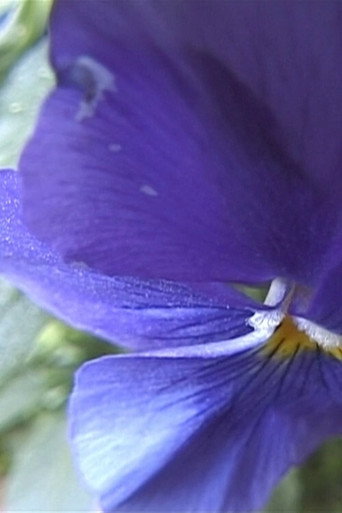
True to Life
Gunvor Nelson plays freely and naturally in a garden confronting the camera with nature, and nature with the camera to reveal a new life force and cycle. The camera climbs up a dark red stem, across the spiny frost hat outlines the walls of a budding flower. It rummages and rustles among the garden floor. The penetrating lens is heavy on the delicate leaves and on the viewer retina.
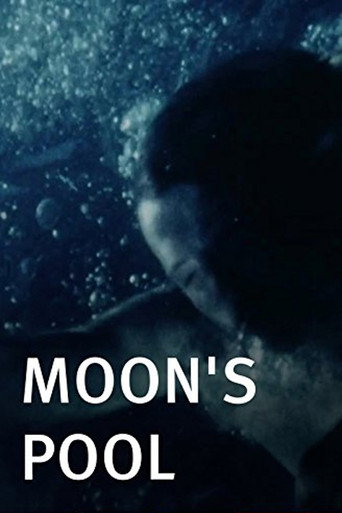
Moon's Pool
The film that is mostly shot underwater, in a pool, begins with footage of water and a close-up of Nelson from which we move to her body immersed in water in a bath-tub from which yet another transition occurs to a pool with male and female naked bodies swimming underwater. The latter part of the film is almost totally liberated from speech, and has a dreamlike, complex soundtrack consisting of sounds of waves, voices, water and music woven together into a seamless web of sounds.
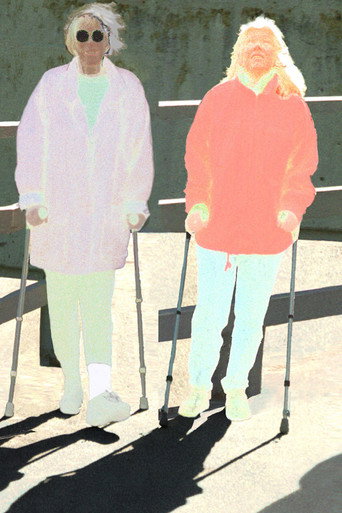
New Evidence
Shadows of people inhabit a wintry road, casting darkness over the tracks. What happens when this substance is washed away by fleeting reflections and blended into new matter, color and forms? And sound: feet tramping endlessly round, round like hands on a clock. This is happening now... - Sue Anne Moody
Trace Elements
Another feature of the new digital (and visually inferior) medium is that sound plays a much more prominent role than in most of her films. Trace Elements, Nelson’s latest work, is another “sound video”, despite the fact the camera is more active this time. It feels as though only now Nelson has totally come to grips with her new technique. She approaches the moving image again through highlighting the act of shooting. This way she continues the ever-present indexical tradition of her filmmaking despite the fact that the video is based on the idea that the camera never quite finds its target. I believe the active, searching camera in Trace Elements indicates Nelson will continue making movies for many years to come.
Gallery