Guna Zariņa Movies, TV Shows, and Filmography
Guna Zariņa
Acting
Biography
Guna Zariņa is a Latvian actress. In the theater, she has appeared in several plays of Alvis Hermanis and Māra Ķimele. She has also appeared in several films. In 2007 she received the Union of Latvian Theatre Workers Best Actress award, and in 2017 she was awarded the Order of Three Stars.
Filmography Movies
Acting
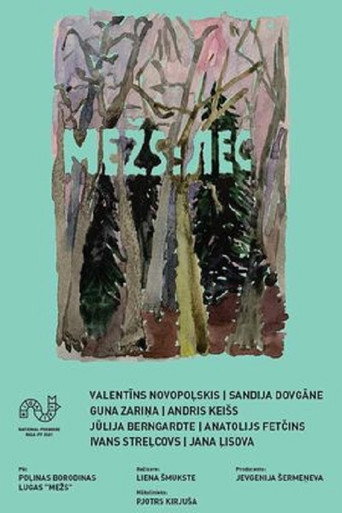
Forest
It’s November and “the planets realigned a week ago,” says a police inspector in complete astrological earnestness. A desperate woman has turned to the police asking for help to find her daughter, Anna. She is 21 years old, is getting good grades at the Krasnoyarsk State Pedagogical University and has been missing for three days. On the same day, a man arrives at the police station because he has found a phone in the forest while walking his dog. It turns out that the smartphone with the Instagram account “Muha_v_komnate” belongs to the missing girl. The stories that Anna’s family members, friends and those close to her tell clash, leading the chief investigator to question whether anyone ever really knew the girl.
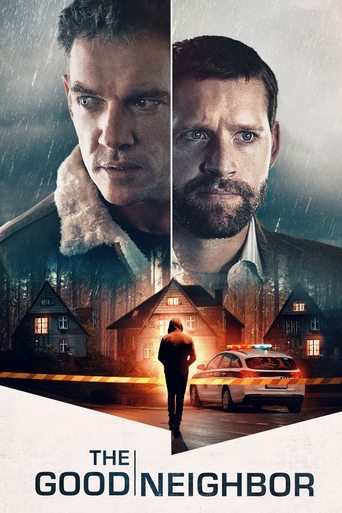
The Good Neighbor
A nightmarish evening unfolds for neighbors David and Robert when they accidentally hit a woman on her bike and flee the scene. While David is increasingly plagued by feelings of guilt, Robert shows no remorse and becomes overbearing and possessive.
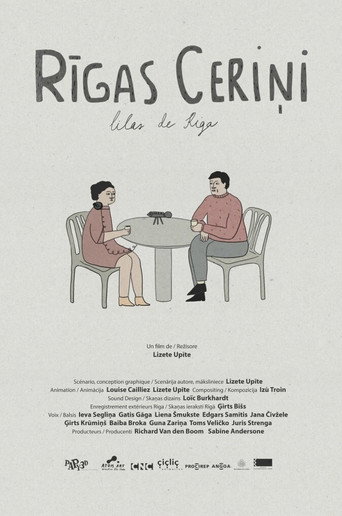
Riga's Lilac
Everyone has their own emotional overwhelm regarding a bad smell. Lizete, an amateur interviewer, is eager to record the moments when it is revealed. Dealing with the topic of bad odour's influences on society, this is an animated short film for adults in the inquiring style of a documentary. The director continues to work on tragi-comic stories about our natural awkwardness while finding ourselves.
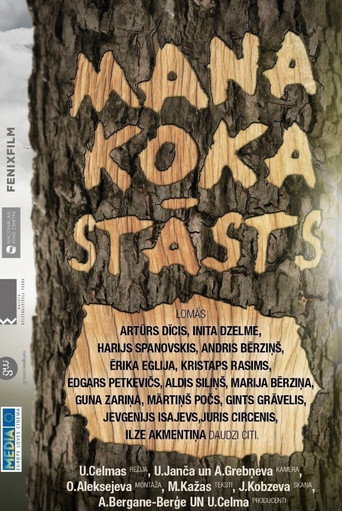
My Family Tree
A unique, engaging film that combines documentary footage with narrative cinema to tell the story of four generations of a Latvian family. Sixteen year-old student Jānis has been given an interesting homework assignment – to draw his family tree and explain it. The story of his family begins with his great-great-grandfather who burned down the manors of German landowners during the 1905 revolution. My Family Tree takes us on a journey to various countries and political regimes, showing Jānis’ ancestors to be people of diverse fates and life stories. A rich Latvian trader, a red rifleman loyal to Lenin, a carpenter with the KGB and war refugees in Sweden are only a few branches on his family tree, and the boy has heard something unusual and unforgettable about each and every one of these people.
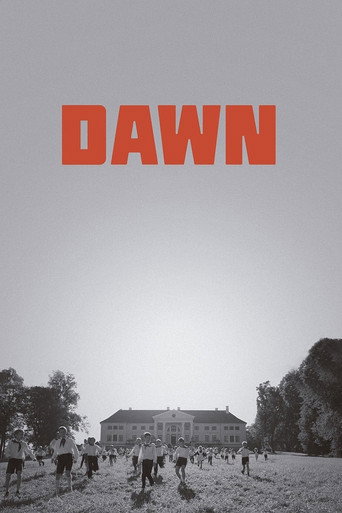
Dawn
Based on a Soviet propaganda story about Young Pioneer (the Soviet equivalent of a Boy Scout) Morozov, who denounced his father to Stalin’s secret police and was in turn killed by his family. His life exemplified the duty of all good Soviet citizens to become informers, at any expense. In our film, 75 years later, we call him little Janis. He is a Pioneer who lives on the Soviet collective farm “Dawn”. His father is an enemy of the farm (and the Soviet system) and plots against it. Little Janis betrays his father; his father takes revenge upon his son. Who then in this old Soviet tale is good and who is bad? This film reveals that a distorted brain is always dangerous. Even today.
Betrayal
While examining one of her patients, a doctor reveals that her husband is cheating with the patient's wife.
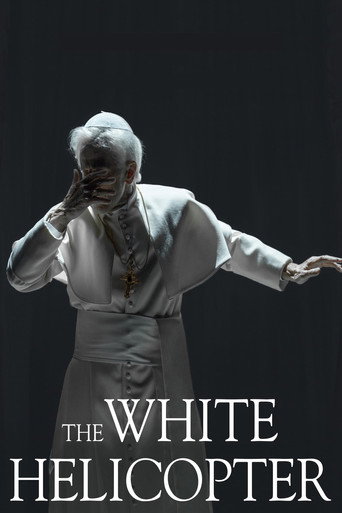
The White Helicopter
The film is based on true events leading up to the historical 2013 resignation of Benedict XVI. After succeeding John Paul II, and serving as Pope for eight years, Joseph Ratzinger shocked the world by becoming the first Pope to voluntarily resign in over 600 years. In light of moral and ethical upheavals in the Catholic Church, and the unique challenges of the 21st century, Ratzinger's cited reason of declining health raises more questions than it answers.

Can’t Help Myself
Estere spends her days by the sea selling ice cream. Trying to find peace, she listens to meditation podcasts and self-help books. Meanwhile, strangers caressed by the summer sun look for the same in tarot cards, alcohol and the Bible. Estere starts to imitate overheard conversations: stuck in positive self-verbalization, she repeats it until she believes it.
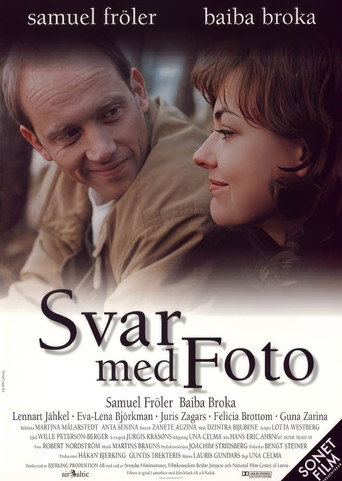
Reply with Photo
The shy scientist Lars decides to publish a small ad in order to find a girlfriend. From the 218 replies, he selects Brigita, an attractive Latvian woman and invites her to Stockholm. But what actually happens after Brigita's arrival is far more complicated than Lars could ever have imagined.
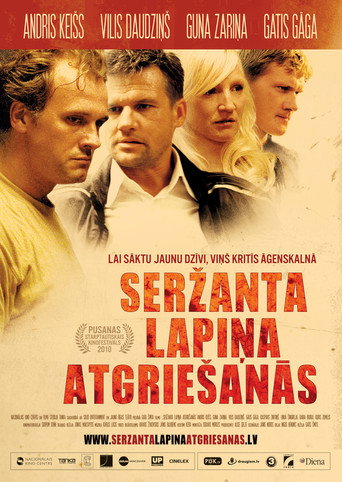
The Return of Sergeant Lapins
After recovering from an overseas mission, Krists Lapins moves into a quiet neighbourhood in Riga. His hopes for a new, peaceful life are disrupted when an unexpected visitor arrives one night. Krists soon finds himself in a swirl of events involving a mysterious blonde, a wannabe private detective, a bankrupt millionaire, and a rigorous cop. In this witty portrayal of modern Latvian society the absurd meets the comic and nothing is what it seems.