Directing
Miguel Arraes de Alencar Filho, known as Guel Arraes (Recife, December 12, 1953), is a Brazilian filmmaker and television director.
A portrays of the period in which Brazilian humor had fewer limits (1986-2003), free from military dictatorship.
A fragmented style, patchwork of interviews with Caetano Veloso's friends, mixed with conversations, thoughts, scenes of dance and literature excerpts.
Best buddies Acerola and Laranjinha, about to turn 18, discover things about their missing fathers' pasts which will shatter their solid friendship, in the middle of a war between rival drug gangs from Rio's favelas.
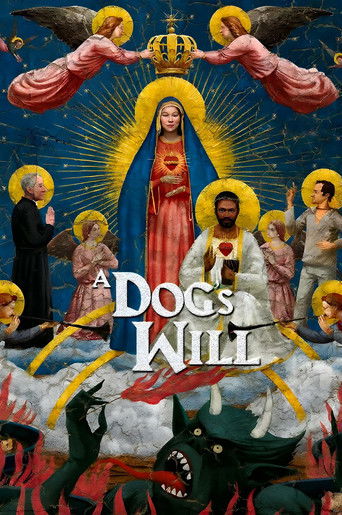
The lively João Grilo and the sly Chicó are poor guys living in the hinterland who cheat a bunch of people in a small town in Northeastern Brazil. When they die, they have to be judged by Christ, the Devil and the Virgin Mary before they are admitted to paradise.
Colonel Furtado struggles to keep his lands, the Sobradinho Farm, and win the heart of his cousin Esmeraldina. In the process, he fights big beasts, experiences the taste of a bohemian life in town, fends usurers and thieves off, and uses all his cunning to get rid of haunting entities. His rival is the man he was brought up with, Pernambuco Nogueira, a werewolf.
In four stories inspired by humorous tales by Ariano Suassuna, each created based on phrases by the poet from Paraíba, we meet Helder, Fabiano, Pierce and Lorena, living different situations where, ironically, the lie is always the protagonist.
During a remake of the play Tristan and Isolde, actors Pedro and Ana fall in love. While the characters live an idealized love, the interpreters are living a true story, which they try to spice it up with the intensity of the fiction.
Elected major of the small city of Sucupira, after unfortunate situation, Odorico must open the city cemitery and face acusations of being corrupt, to end his term on good terms with the people.
Diogo Álvares, a Portuguese map illustrator, reaches the Brazilian coast, after his caravel sinks. He is saved by the Indian chief Itaparica and his two daughters, Paraguaçu and Moema. They call him Caramuru and together they engage in a happy love triangle. But the chance to return to Portugal arises, and it is clear this amoral arrangement cannot last.