Directing
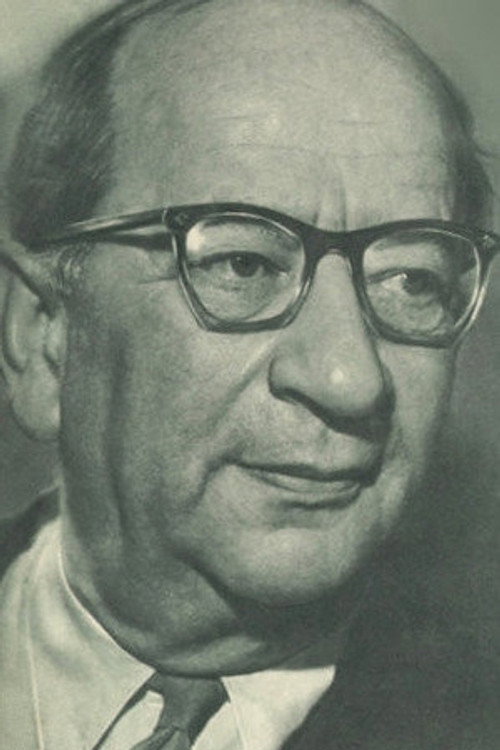
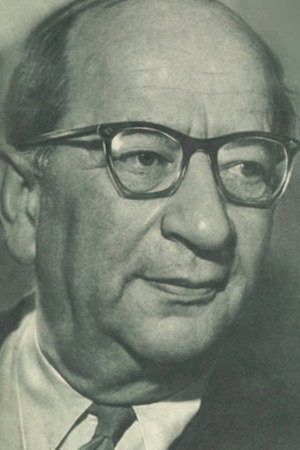
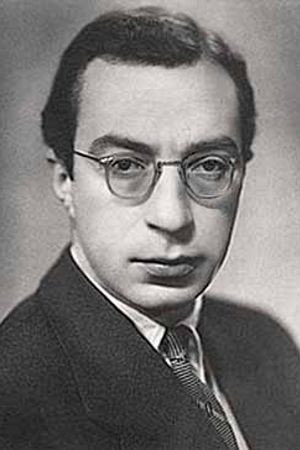
Soviet director and screenwriter. Brother of screenwriter Serafima Roshal. Married to screenwriter Vera Stroyeva.
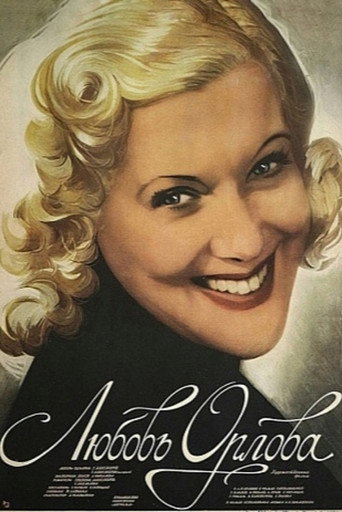
A documentary on the life of the famous actress, deceased wife of the director Grigoriy Aleksandrov.
In August 1941, two largest Soviet film studios Mosfilm and Lenfilm were evacuated to Alma-Ata, Kazakhstan. There, together with the newly founded Alma-Ata Film Studio, they were merged into TsOKS (Central United Film Studio), which became the main center of film production in the country until 1944. Now Kazakh film industry veterans who worked at the studio during these years recall the dawn of national cinema and years of work with Eisenstein, Pudovkin, Romm and others.
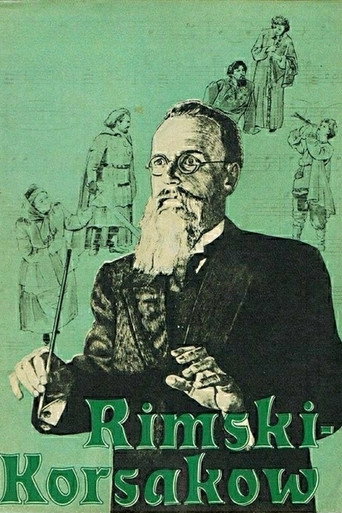
Biographical film about the composer Rimskiy-Korsakov. Belongs to the gallery of costume historical and biographical films of the postwar cinema of the Soviet Union. The film tells about the last two decades in the life of Russian composer.
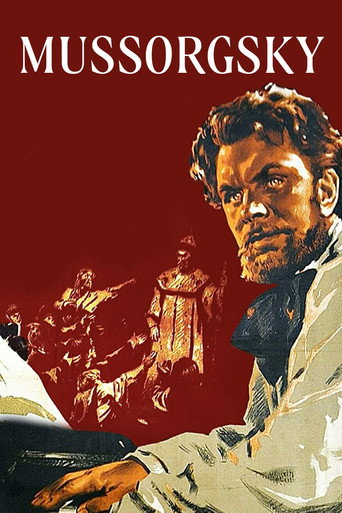
Saint Petersburg, 1858. A group of composers known as The Five meet at Balakirev's. Young Modest Mussorgsky, both a civil servant and a musician, has become a fixture there. He tells about the first opera he plans to compose. Then he goes to the country where he discovers the lowly conditions of the peasants and the bloody conflicts with the rich land owners. He works on Gogol's 'The Marriage', trying to render into music the natural accents of the play's naturalistic dialogue. But his efforts do not pan out. On the other hand, he starts writing his opera on the story of Boris Godunov. The Marinsky Theatre refuses to stage the work. The Five, and Mussorgsky among them, are libeled and the group starts disintegrating. When 'Boris Godunov' is finally performed in 1874, it is a popular success.
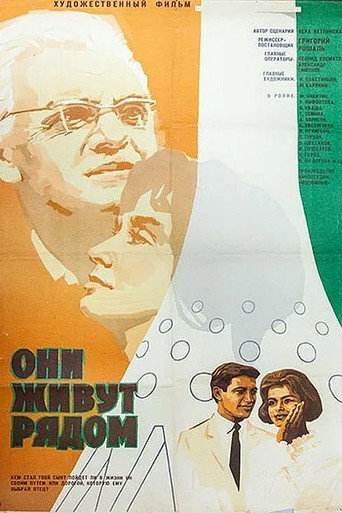
Once upon a time, young scientists Kalitin and Danilov were friends, but a quarrel separated them. The circumstances of the quarrel remained unclear to everyone until the end. But everyone thought they were right. Years have passed. Professor Kalitin’s son, working under his leadership, moves to the institute headed by Danilov. Kalitin learns about this decision of Igor on the day of the arrival of his friend and colleague Vasin. On this occasion, old friends gather at the professor’s house, including Luzgin, Kalitin’s boss. Reflections on his life help the professor understand his son’s choice, oppose the unprincipled careerist Luzgin and make peace with Danilov.
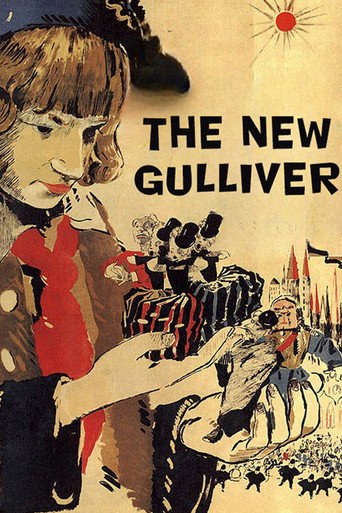
The story, a Communist re-telling of Gulliver's Travels, is about a young boy who dreams of himself as a version of Gulliver who has landed in Lilliput suffering under capitalist inequality and exploitation.
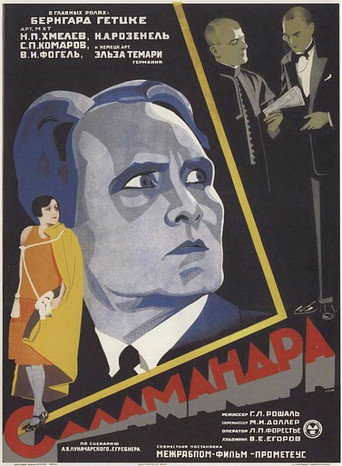
The film is based on real events and reveals the tragic episodes from the life of the Austrian biologist scientist-materialist Paul Kammerer (1880-1926), hunted by regressive scientists and Catholic reactionaries who committed suicide.
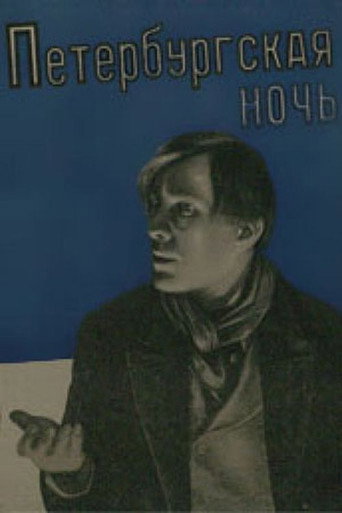
A loose Communist adaptation of a Dostoyevsky novel. The serf Egor Efimov, a talented violinist, dreams of true art. Released by his landlord, he goes to the capital. But cold, bureaucratic St. Petersburg quickly destroys his illusions.
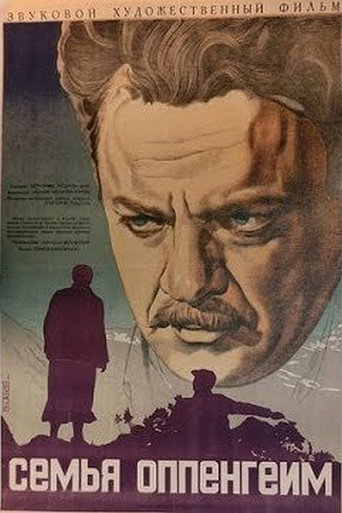
Based on Lyon Feuchtwanger's novel about the tragedy of society, through a look at the tragedy of one single family.
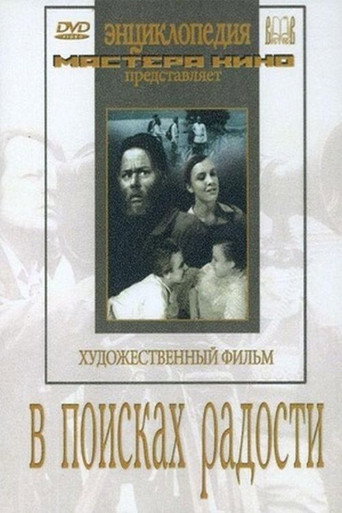
Having tried his hand on the side, the middle peasant chose a collective farm in his native village and achieved a rich harvest, overcoming the resistance of the kulaks.
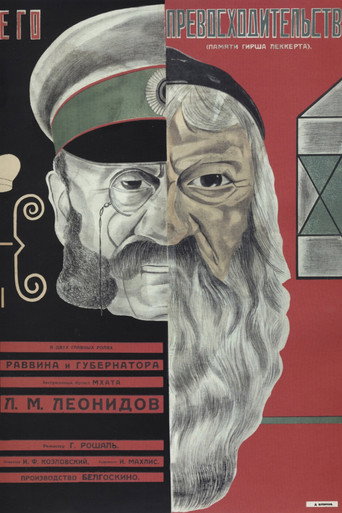
This 1928 film features stylized cinematography and actors from the Moscow Art Theater in a fiction story based on the life of Jewish Labor Bund member Hirsch Lekert who attempted to assassinate the Vilna governor in 1902 to avenge the flogging of workers who participated in a May Day rally.
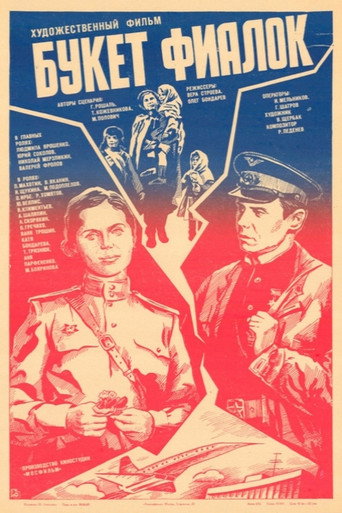
The WWII. Berestova, an air regiment engineer, meets Ardatov, a fighter pilot whose wife has died. Now he must think about how to raise his two children alone. However, Arbatov does not live to see victory. After the war Berestova finds his children and adopts them.