Gregory J. Markopoulos Movies, TV Shows, and Filmography
Gregory J. Markopoulos
Directing
Biography
Gregory J. Markopoulos (March 12, 1928 - November 12, 1992) was an American experimental filmmaker. Born in Toledo, Ohio to Greek immigrant parents, Markopoulos began making 8 mm films at an early age. He attended USC Film School in the late 1940s, and went on to become a co-founder — with Jonas Mekas, Shirley Clarke, Stan Brakhage and others — of the New American Cinema movement. He was as well a contributor to Film Culture magazine, and an instructor at the Art Institute of Chicago. In 1967, he and his partner Robert Beavers left the United States for permanent residence in Europe. Once ensconced in self-imposed exile, Markopoulos withdrew his films from circulation, refused any interviews, and insisted that a chapter about him be removed from the second edition of Visionary Film, P. Adams Sitney's seminal study of American avant-garde cinema. While he continued to make films, his work went largely unseen for almost 30 years.
Filmography Movies
Acting
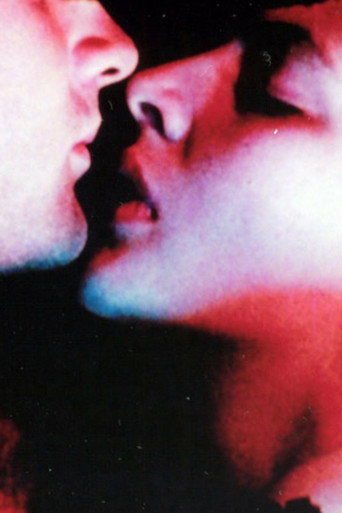
Of Blood, of Pleasure and of Death
The trilogy 'Of Blood, of Pleasure and of Death' (1947-1948), which began with Psyche (1947), the first film, produced by Gregory Markopoulos in 16mm, based on an unfinished novel by Pierre Louÿs, is completed with Lysis and Charmides, both based on Platonic dialogues. Addressing themes of homosexuality, these three films illustrate a symbolic use of colour and composition. (Centre Pompidou)
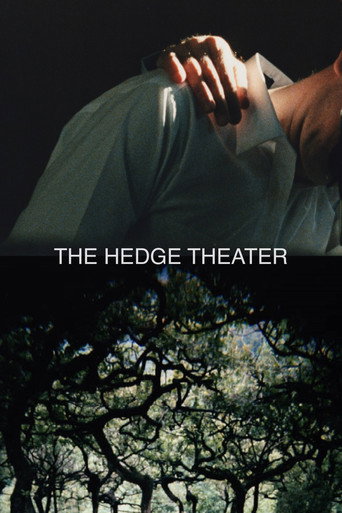
The Hedge Theater
Filmed in Rome in the 1980s, the work draws on Borromini’s Baroque architecture and Il Sassetta’s St. Martin and the Beggar. Beavers contrasts winter’s subdued light with the verdant growth of spring, constructing a precise montage in which image and sound form a poetic dialogue.
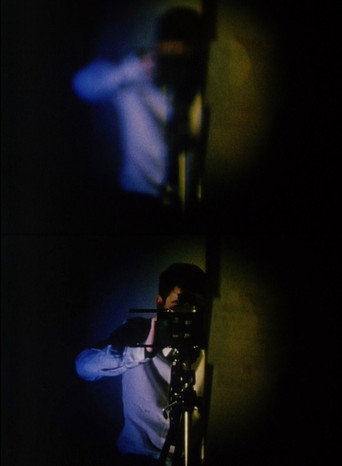
Early Monthly Segments
Filmed when Beavers was 18–19, this self-portrait depicts him and Gregory J. Markopoulos in their Swiss apartment. A diary of domestic life, it transforms everyday objects and intimate details into a charged meditation on love, memory, and desire.
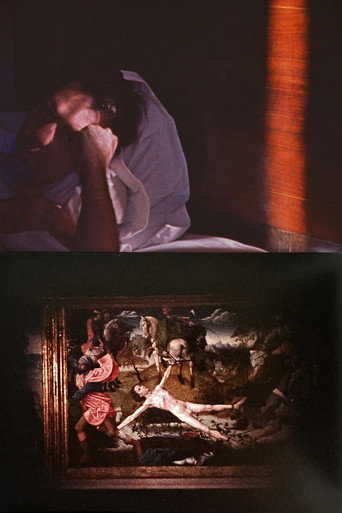
The Painting
Beavers intercuts scenes of traffic in Bern with details from the 15th-century altarpiece The Martyrdom of St. Hippolytus. In its revised form, the film gains a psychodramatic intensity, juxtaposing Markopoulos in shafts of light with a torn self-portrait and recurring shots of a shattered windowpane.
Winged Dialogue
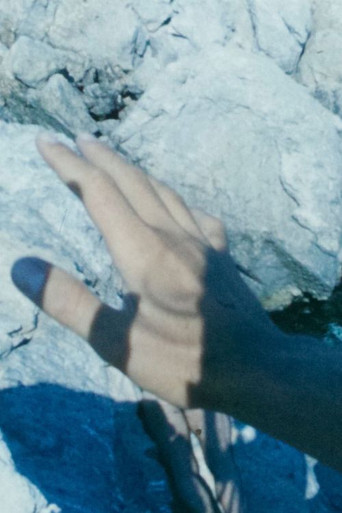
An early exploration of intimacy and perception, the film portrays the body’s beauty and sexuality as animated by the soul. Through dissolving and vanishing images, Beavers creates a sensuous interplay of touch, memory, and after-image, leaving an imprint on both eye and mind.
Heads
Includes 'portraits' of Marianne Faithfull, Thelonious Monk and 28 others, some known, some less so.
The Illiac Passion
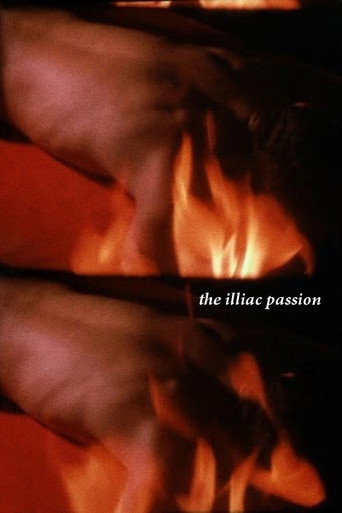
Prometheus, on an Odyssean journey, crosses the Brooklyn Bridge in search of the characters of his imagination. After meeting the Muse, he proceeds to the "forest." There, under an apple tree, he communes with his selves, represented by celebrated personages from the New York "underground scene" who appear as modern correlatives to the figures of Greek mythology. The filmmaker, who narrates the situations with a translation of Aeschylus' Prometheus Bound, finds the personalities of his characters to have a timeless universality.
Swain
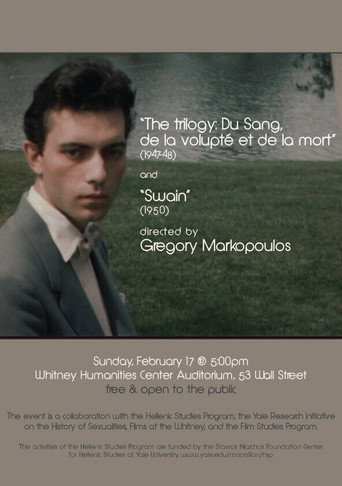
Swain is inspired by Nathaniel Hawthorne’s Fanshawe, features a dreamlike narrative of a young man’s ritualized rejection of heterosexuality, as a mysterious woman in white gossamer pursues him through a ruined landscape.
The Dead Ones
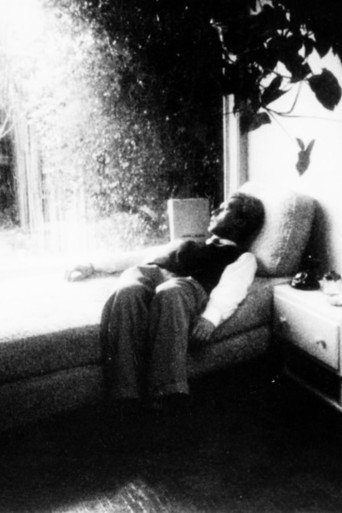
Markopoulos’ first attempt at making a 35mm feature film, clearly inspired by the cinema of Jean Cocteau, was left unfinished and the materials were lost for many years.
A Christmas Carol
Miser Ebenezer Scrooge is awakened on Christmas Eve by spirits who reveal to him his own miserable existence, what opportunities he wasted in his youth, his current cruelties, and the dire fate that awaits him if he does not change his ways. Scrooge is faced with his own story of growing bitterness and meanness, and must decide what his own future will hold: death or redemption.
Production
Twice a Man
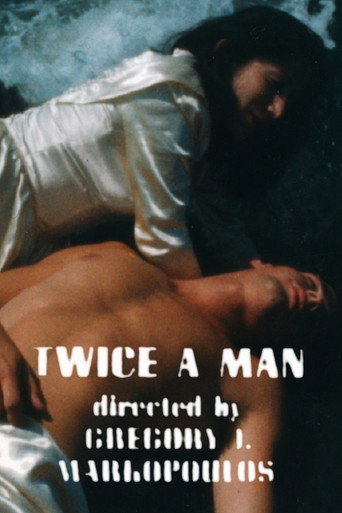
A reworking of the myth of Hippolytus, in which a chaste youth rejects the incestuous advances of his mother and is saved from death by a caring physician.
Twice a Man
A reworking of the myth of Hippolytus, in which a chaste youth rejects the incestuous advances of his mother and is saved from death by a caring physician.
Twice a Man
A reworking of the myth of Hippolytus, in which a chaste youth rejects the incestuous advances of his mother and is saved from death by a caring physician.
Twice a Man
A reworking of the myth of Hippolytus, in which a chaste youth rejects the incestuous advances of his mother and is saved from death by a caring physician.
Ming Green
This portrait of the filmmaker's apartment, painted in the color of the title, was made a few months before his departure from New York. It is dedicated to the filmmaker Stan Brakhage and was shot without a scenario and edited entirely in the camera.
Christmas U.S.A.
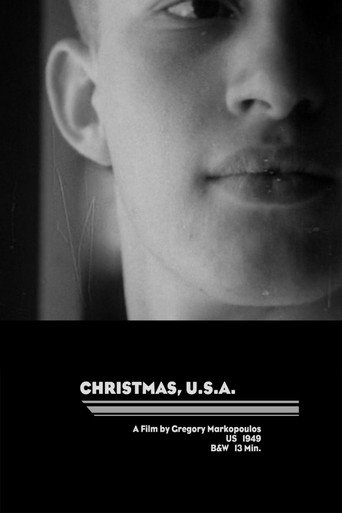
Things spin: amusement park rides, a phonograph record. A man wakes, shaves, and takes a phone call. Another man, in a kimono, walks in the woods, stops, and opens a small decorative box on the forest floor. People at an amusement park called Little Harlem enjoy themselves. A man walks through another amusement park, called Cavalcade Worlds, as midway rides spin. At a house, an older woman cleans; a pre-teen girl sets the table; a teenaged boy showers. After he dresses, he holds a candle high above his head and walks swiftly toward a young man standing bare-chested, his arms extended. A man arrives home where the girl has set the table. The youth sleeps. Christmas?
Sorrows
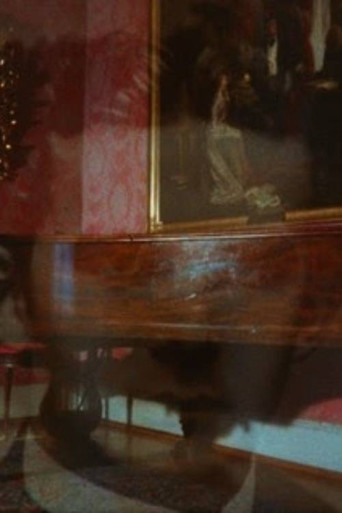
Set to music by Beethoven, this lyrical portrait moves from a chilled and misty exterior to the crystalline interior of the Swiss chateau that King Ludwig II built for Wagner.
Galaxie
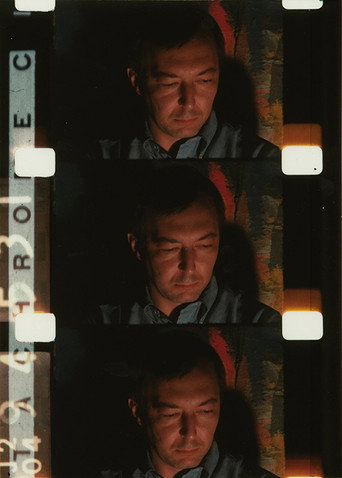
In March and April of 1966, Markopoulos created this filmic portrait of writers and artists from his New York circle, including Parker Tyler, W. H. Auden, Jasper Johns, Susan Sontag, Storm De Hirsch, Jonas Mekas, Allen Ginsberg, and George and Mike Kuchar, most observed in their homes or studios. Filmed in vibrant color, Galaxie pulses with life. It is a masterpiece of in-camera composition and editing, and stands as a vibrant response to Andy Warhol's contemporary Screen Tests. Preserved by the Academy Film Archive in 2001.
Swain
Swain is inspired by Nathaniel Hawthorne’s Fanshawe, features a dreamlike narrative of a young man’s ritualized rejection of heterosexuality, as a mysterious woman in white gossamer pursues him through a ruined landscape.
The Illiac Passion
Prometheus, on an Odyssean journey, crosses the Brooklyn Bridge in search of the characters of his imagination. After meeting the Muse, he proceeds to the "forest." There, under an apple tree, he communes with his selves, represented by celebrated personages from the New York "underground scene" who appear as modern correlatives to the figures of Greek mythology. The filmmaker, who narrates the situations with a translation of Aeschylus' Prometheus Bound, finds the personalities of his characters to have a timeless universality.