Gregor Hansen Movies, TV Shows, and Filmography
Gregor Hansen
Acting
Biography
No biography available.
Filmography Movies
Acting
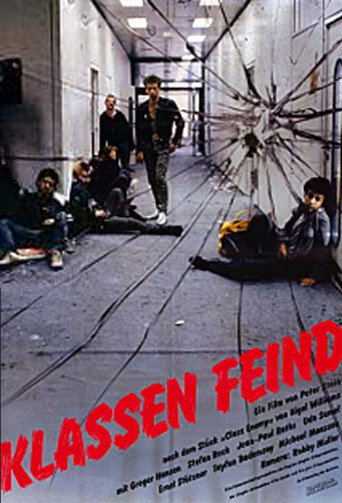
Class Enemy
Berlin-Kreuzberg in the early 1980s. The film is essentially a one-set piece, taking place in a beat-up, graffiti-decorated schoolroom where six teen-age delinquents argue and fight as they await the latest in what has been a series of terrified teachers.
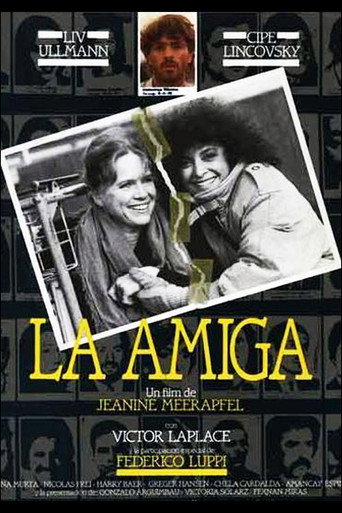
The Girlfriend
Since childhood, Raquel and Maria have been close friends. Now all grown-up, Raquel has fulfilled her dream of becoming an actress, while Maria has married a handyman, given birth to three children and runs the family household. In the wake of the Argentine military coup of 1976, Maria's oldest son Carlos is abducted. Desperate, Maria turns to her prominent friend for help. Yet the more Raquel gets involved in the search for Carlos, the more she becomes herself a target of the junta. Finally, she flees from Argentina to Berlin. Meanwhile Maria joins a group of women who investigate the fate of their disappeared relatives. In 1983, after the fall of the dictatorship, the two friends meet again.
A German Revolution
In the first half of the 19th century there was a revolt in the central state of Hesse, led by Georg Büchner (Gregor Hansen), the well-known German writer, and a fellow rebel, Pastor Weidig (Franz Wittich). Büchner wrote a kind of declaration of peasant rights against the tyranny of the landholders of the time, and once that declaration ("Der Hessische Landbote") was made public, Büchner escaped to Strasbourg, and then to Zurich where he was killed in 1937, at the age of 23. Pastor Weidig was captured, sent to prison, tortured, and killed in prison. The revolution the two men had hoped for died on the vine due to an informer -- a planned uprising was brutally squelched -- and the peasants had to bide their time for another 12 years before the 1848 Revolution would bring them some of the rights demanded in Büchner's pamphlet.