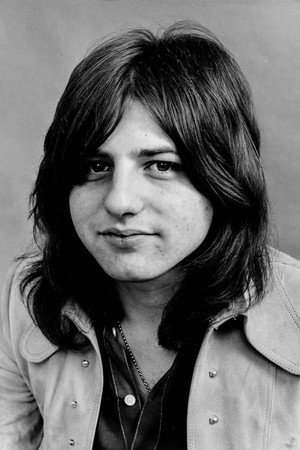
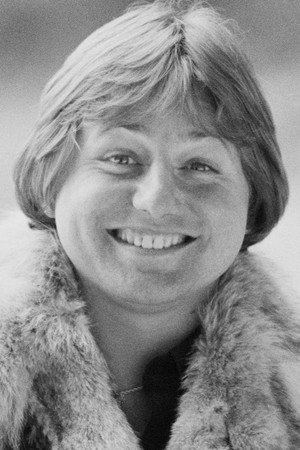
Greg Lake Movies, TV Shows, and Filmography
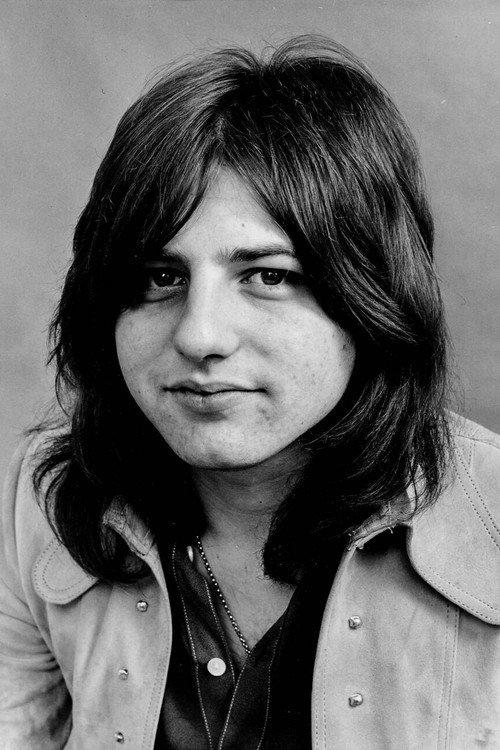
Greg Lake
Acting
Biography
Gregory Stuart Lake (10 November 1947 – 7 December 2016) was an English musician, singer, and songwriter. He gained prominence as a founding member of the progressive rock bands King Crimson and Emerson, Lake & Palmer (ELP). Born and brought up in Dorset, Lake began to play the guitar at the age of 12 and wrote his first song, "Lucky Man", at the same age. He became a full-time musician at 17, playing in several rock bands until his friend and fellow Dorset guitarist Robert Fripp invited him to join King Crimson as lead singer and bassist. They found commercial success with their influential debut album, In the Court of the Crimson King (1969). Lake left the band in 1970 and achieved significant success in the 1970s and beyond as the singer, guitarist, bassist, and producer of ELP. As a member of ELP, Lake wrote and recorded several popular songs including "Lucky Man" and "From the Beginning". Both songs entered the UK and US singles charts. Lake launched a solo career, beginning with his 1975 single "I Believe in Father Christmas" which reached number two in the UK. He went on to release three solo albums with his Greg Lake Band and guitarist Gary Moore, recorded 1981 through 1983 (two studio albums, one live album). He was also briefly but notably a member of pop rock band Asia in 1983, replacing vocalist/bassist John Wetton (another former member of King Crimson) for three concerts in Tokyo, Japan. As well as collaborating and performing with other artists and with various groups in the 1980s, he had occasional ELP reunions in the 1990s and in 2010, and toured regularly as a solo artist into the 21st century. Lake also sponsored other artists, producing their recordings and helping them to get recording contracts. He also was a fundraiser for the National Center for Missing & Exploited Children. He died on 7 December 2016 in London, of pancreatic cancer, at the age of 69. Description above from the Wikipedia article Greg Lake, licensed under CC-BY-SA, full list of contributors on Wikipedia.
Filmography Movies
Acting
Emerson, Lake & Palmer - Live at Montreux
Keith Emerson, Greg Lake and Carl Palmer first joined forces in 1970 and went on to become a global success story. After a break in the eighties, they reunited in the early nineties and took to the road once more. In 1997 they made their debut at the Montreux Jazz Festival with a performance that included all their trademark virtuosity and showmanship. The show includes classic tracks from across their career including Karnevil 9, Hoedown, Take A Pebble, Lucky Man, Tiger in the Spotlight, Tarkus and Fanfare for the Common Man. Recorded live on July 7, 1997 at the Audtitorium Stravinski, Montreux Jazz Festival (Switzerland). Programme copyright 2010.
Message to Love - The Isle of Wight Festival
In August 1970, 600,000 fans flocked to the Isle of Wight to witness the third and final festival to be held on the island. Besides the music, they also got a look at the greed, cynicism and corruption that would plague the music industry for years to come. They also witnessed the final, drugged out performance of Jimi Hendrix in England just two weeks before he would meet a tragic death. When it all was over, the fans view of rock and roll was never the same.
Emerson, Lake & Palmer - 40th Anniversary Reunion Concert
Emerson, Lake & Palmer, also known as ELP, are an English progressive rock super group. They found success in the 1970s and sold over forty million albums and headlined large stadium concerts - one of the largest at California Jam (Cal Jam) in 1974 was in front of 200,000 people. The band consists of Keith Emerson (keyboards), Greg Lake (bass guitar, vocals, guitar) and Carl Palmer (drums, percussion). They are one of the most commercially successful progressive rock bands and from the outset focused on combining classical pieces with rock music. The legendary Rock Band reunited to celebrate their 40th Anniversary and headlined London's first High Voltage Rock Festival. This was the historic moment when Emerson Lake and Palmer performed for the first time since 1998.
Inside Emerson, Lake & Palmer 1970-1995
This is the definitive critical review of the music of Emerson, Lake and Palmer in concert, on record and on stage. During the seventies ELP were the biggest band in the world playing to colossal crowds and mounting ever more spectacular and flamboyant stage shows. When the band split in 1978 the legacy disappeared almost overnight. Featuring rare archive footage, every ELP studio album is reviewed and critically assessed by a leading team of critics, working musicians and musicologists to explore the secrets behind the phenomenal rise to success and the equally spectacular fall from grace of this legendary band.
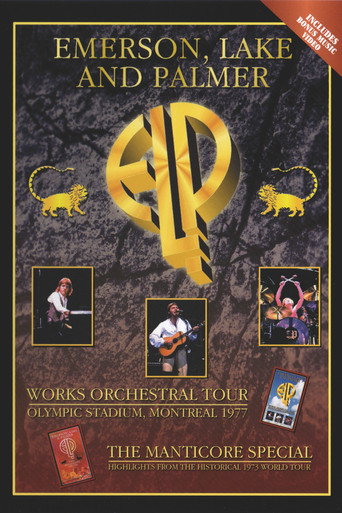
Emerson, Lake & Palmer: Works Orchestral Tour
Works Orchestral Tour is live in Montreal on Aug. 26, 1977, where ELP became the first rock band to assemble and tour with a full 65 piece symphony orchestra before a sold-out audience of 70.000 enthusiastic fans. This is Emerson Lake And Palmer "Symphonic Live" recorded during the works tour on August 26th 1977 at the Montreal Olympic Stadium. The band was accompanied by the Royal Montreal Philharmonic 65 Piece Orchestra and a 12 person choir. This show, filmed before over 70,000 fans is considered to be Keith Emerson's Opus.
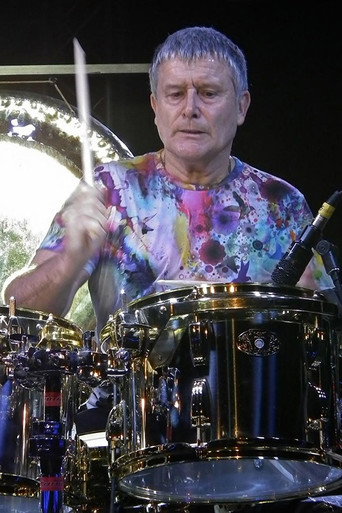
The Rhythm of Life
An examination into life and work of celebrated drummer Carl Palmer, a founding member of influential bands such as Asia and Emerson, Lake and Palmer.
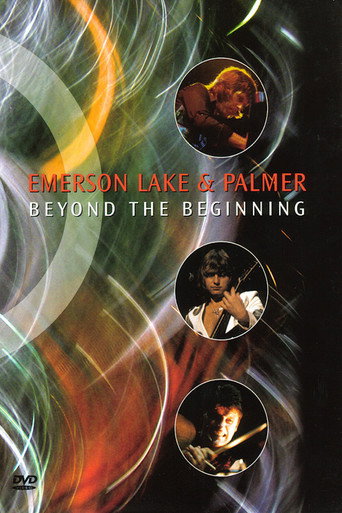
Emerson, Lake & Palmer: Beyond the Beginning
Featuring performances from every stage of their career, including 44 minutes of ELP headlining the California Jam Festival in 1974 on Disc 2 which also showcases footage of the famous spinning piano sequence. The DVD also contains 'Beyond The Beginning', an hour-long documentary.
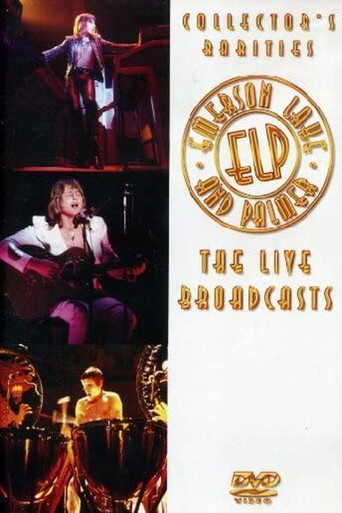
Emerson, Lake and Palmer: The Live Broadcasts
This is the Holy Grail for progressive rock fans. Emerson Lake and Palmer are captured here at the very beginning of a legendary career. Filmed at the time when the band had only just recorded their ground breaking first album, ELP had to use all of their huge individual creative talents to create a full show. That's what makes this film so special. Extensive improvisation virtuoso playing by Keith Emerson, inventive percussion from Carl Palmer and a bravura performance at the mike by the young Greg Lake make this an essential addition to the collection of any fan of the progressive rock era. TRACK LIST 1. The Barbarian 2. Rondo/Bach Improvisations 3. Drum Solo 4. Nutrocker 5. Take A Pebble 6. Knife Edge
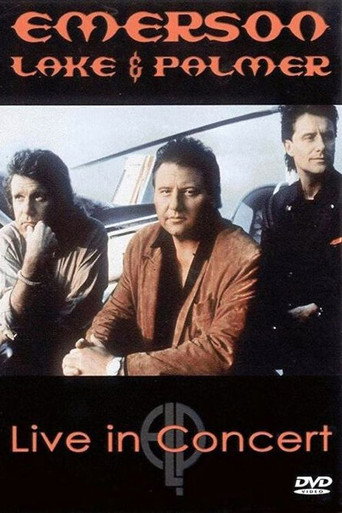
Emerson, Lake & Palmer: Live in Concert
Isle of Wight 1970: 1. Blue Rondo a la Turk ELP - The Works Live With Orchestra, Montreal Olympic Stadium 1977: 1. The Enemy God Dances With The Black Spirits 2. Karn Evil 9 / 1st Impression, part 2 3. Pictures at an Exhibition 4. C'est La Vie 5. Piano Concerto No. 1 3rd Movement Toccata, con fuoco 6. Tank Manticore Special 1973 Excerpts of: 1. Abaddon's Bolero 2. Karn Evil 9 / 1st Impression, part 2 3. Karn Evil 9 / 2nd Impression 4. Pictures at an Exhibition 5. Benny The Bouncer 6. Lucky Man 7. Tarkus 8. Still You Turn Me On and more.
Production
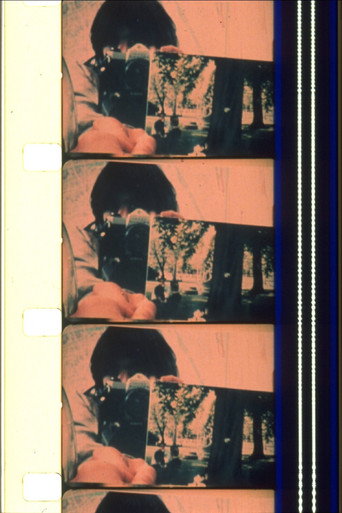
Numéro 4
The single frame is the only visible unit in film, yet it is nearly invisible. To see a single frame goes against the nature of cinema; even if that is its very nature. If every frame holds the same image, there will be no movement; if they are completely different from each other, there will be no movement either, but chaos. By using a still camera like a film camera and a film camera like a still camera, Numero 4 rides on the edge between film and photography. One unedited super-8 camera roll.
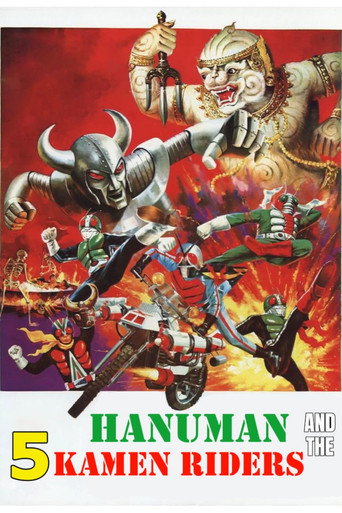
Hanuman and the Five Kamen Riders
With an unquenchable thirst for the blood of virgin women, the wicked King Dark enslaves the brilliant Thai scientist Dr. Wisut to create an army of monsters to put an end to the chivalrous efforts of the cyborg warrior Kamen Riders. When their efforts fail, can the Hindu god Hanuman help? Semi-official Thai/Japan co-production between Chaiyo and Toei. Toei allowed the usage of the Five Riders vs. King Dark film while Chaiyo forgot to license the characters out (Source: Dubbing Wiki).
Gallery