Grace Passô Movies, TV Shows, and Filmography
Grace Passô
Acting
Biography
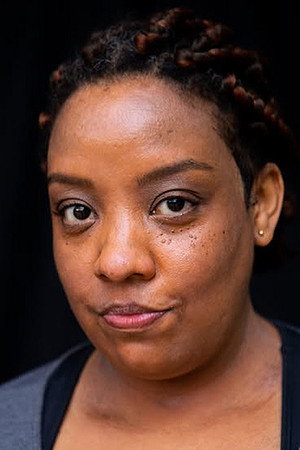
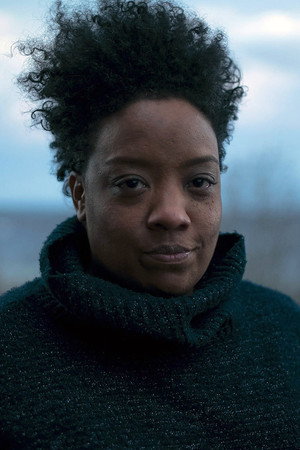
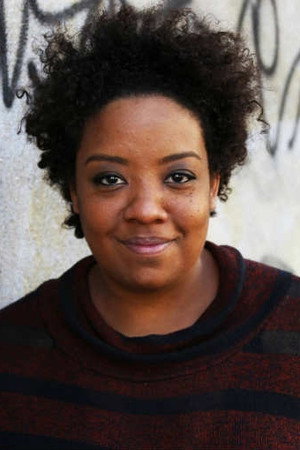
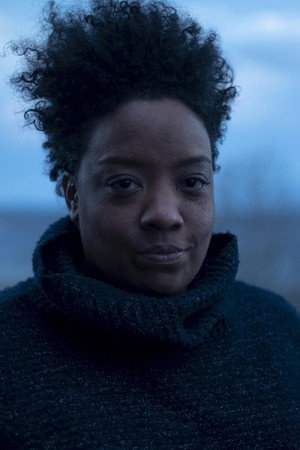
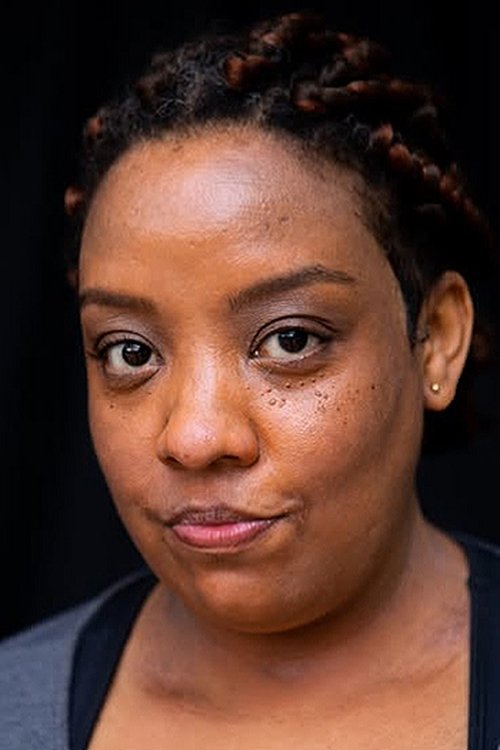
Grace Anne Paes de Souza, known as Grace Passô (Belo Horizonte, May 20, 1980), is a Brazilian actress, director, screenwriter and playwright graduated from the Clóvis Salgado Foundation Technological Artistic Training Center, in Belo Horizonte, Minas Gerais. In cinema, she acted in films such as "Elon Don't Believe in Death" (Ricardo Alves Júnior), "Praça Paris" (Lúcia Murat), "No Coração do Mundo" (Plastic Films - Gabriel Martins and Maurílio Martins), "Tempoarada" (Plastic Films - André de Novais Oliveira) and "Vaga Carne" (Grace Passô and Ricardo Alves Júnior), winning numerous awards.
Filmography Movies
Acting
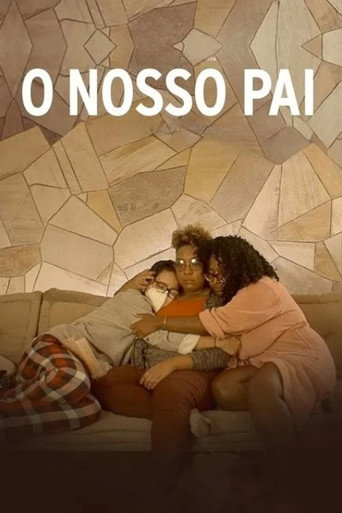
Our Father
In the middle of an out-of-control pandemic, three sisters decide to take action.
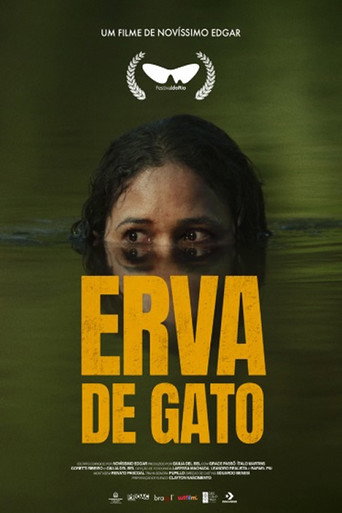

The Day I Met You
Zeca tries to get up early to catch the bus and arrive an hour and a half later at the neighboring town’s school, where he works as a librarian. Waking up early is evermore difficult: something prevents him from maintaining his routine. One day, Zeca meets Louisa.
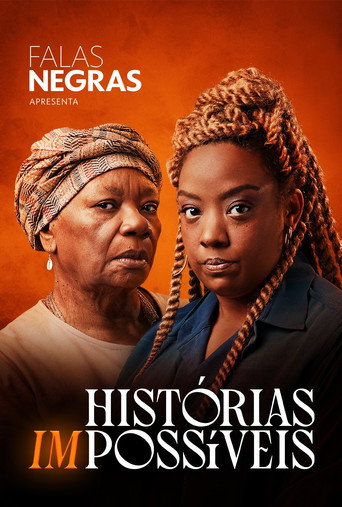
Falas Negras: Histórias (Im)possíveis
Janaína is a black screenwriter embarking on a new audiovisual project. She meets the rest of the team, where all of whom are white, on a farm. Pedro, the leader of the script room, disappears. Janaína investigates and makes unimaginable discoveries.

Power Alley
On the eve of a future-defining championship, promising 17-year-old volleyball player Sofia is faced with an unwanted pregnancy. Seeking an illegal termination, she becomes the target of a fundamentalist group determined to stop her at any cost – but neither Sofia nor those who love her are willing to surrender to the blind fervor of the swarm.
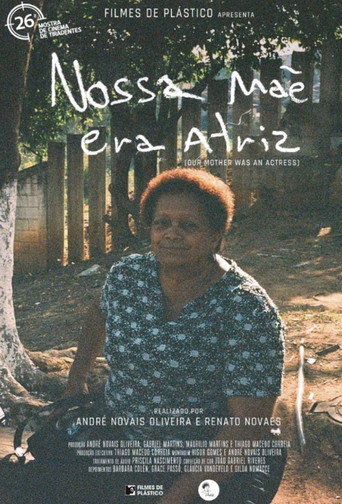
Our Mother was an Actress
Maria José Novais Oliveira, a black woman, resident on the outskirts of Contagem, already in her 60s, has become a film actress, with an award-winning career in Brazil and internationally. This documentary recalls the image of a unique woman who marked Brazilian cinema in the 2010s.
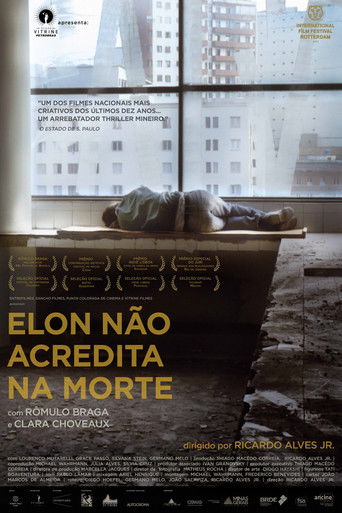
Elon Doesn't Believe in Death
As he does every single day, Elon goes to meet his wife at her workplace, but she is not there. He doesn’t find her at home as well, so he starts to retrace the path Madalena makes daily. In the morning after, Elon goes to the police station and files a report, runs into hospitals, morgues. Alone, he wanders through a metropolis, searching for news about the sudden and mysterious disappearance of his wife.
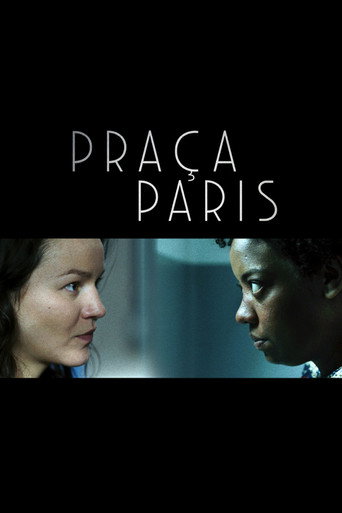
Praça Paris
Camila is a Portuguese therapist who works at Rio de Janeiro State University, where she attends Glória, the university's elevator operator. Throughout the sessions, Camila faces a very violent reality, since Glória was raped by her own father as a child and her brother Jonas is a dangerous bandit that is in prison. Increasingly frightened by the reports she hears, she feels threatened at the same time that Glória sees her as essential in her life.
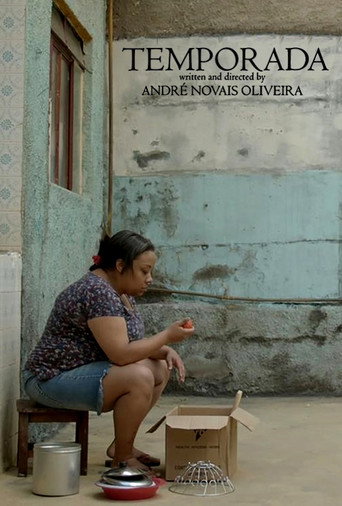
Long Way Home
In order to take a new job as an employee in the public sanitation department, Juliana moves from the inner city of Itaúna to the metropolitan town of Contagem in Brazil. While waiting for her husband to join her, she adapts to her new life, meeting people and discovering new horizons, trying to overcome her past.
Production

Ficções Sônicas
Ficções Sônicas is a sonic imagination of the radio play Pra Dar Um Fim no Juízo de Deus, by Antonin Artaud, immersed in the notion of non-place of diasporic experiences. Triggered by the term developed by the writer Kodwo Eshun, the work brings together the musicians Barulhista, Maurício Badé and Thelmo Cristovam in different musical tracks, dialoguing with the voice of Passô. “It is to make the future vibrate in this ancient text that always had the future in itself. It is an evocation of words resistant to the automation of sensibility. It’s a meeting between aliens.”

Ficções Sônicas #2
Ficções Sõnicas #2 is a film-play made in downtown São Paulo, during the pandemic. In history, they occupy the Municipal Theater and rehearse a play without an audience, in a search path that awakens them from the inaction and automation of sensitivity. The film-play is part of the Sonic Fictions Project, idealized by Grace Passô, where a series of artistic creations are made to experience children and act on the basis of black lives in diaspora.
Ficções Sônicas #2
Ficções Sõnicas #2 is a film-play made in downtown São Paulo, during the pandemic. In history, they occupy the Municipal Theater and rehearse a play without an audience, in a search path that awakens them from the inaction and automation of sensitivity. The film-play is part of the Sonic Fictions Project, idealized by Grace Passô, where a series of artistic creations are made to experience children and act on the basis of black lives in diaspora.
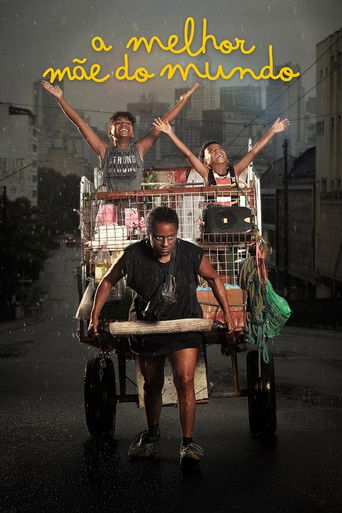
The Best Mother in the World
To escape her abusive husband, garbage collector Gal packs her two young children, Rihanna and Benin, onto the top of her cart and heads across São Paulo to her cousin’s house. As she struggles to avoid the dangers of the streets along the way, she convinces the children that they are on a big and exciting adventure. When they arrive at her cousin’s house, they are warmly welcomed and fed. However, what initially seems like a safe haven soon turns out to be a trap. Gal realises that not only her own safety is at risk, but also the future of her children.
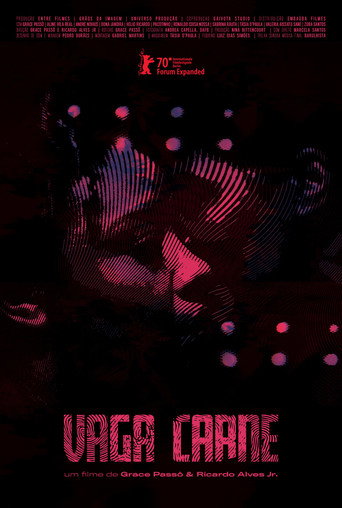
Dazed Flesh
After having invaded liquid, gaseous and solid substances, a strange voice takes possession of a woman's body and for the first time experiences the taste of something truly human. Together, the voice and the body seek for belonging and an identity of their own as they question their roles within society.
Dazed Flesh
After having invaded liquid, gaseous and solid substances, a strange voice takes possession of a woman's body and for the first time experiences the taste of something truly human. Together, the voice and the body seek for belonging and an identity of their own as they question their roles within society.
Dazed Flesh
After having invaded liquid, gaseous and solid substances, a strange voice takes possession of a woman's body and for the first time experiences the taste of something truly human. Together, the voice and the body seek for belonging and an identity of their own as they question their roles within society.
Dazed Flesh
After having invaded liquid, gaseous and solid substances, a strange voice takes possession of a woman's body and for the first time experiences the taste of something truly human. Together, the voice and the body seek for belonging and an identity of their own as they question their roles within society.

Republic
One night, a Brazilian woman wakes up in a country exhausted from violent acts. Republic is a short film realized at home, in the beginning of 2020s quarantine, in the center of São Paulo, República neighborhood.
Republic
One night, a Brazilian woman wakes up in a country exhausted from violent acts. Republic is a short film realized at home, in the beginning of 2020s quarantine, in the center of São Paulo, República neighborhood.
Gallery