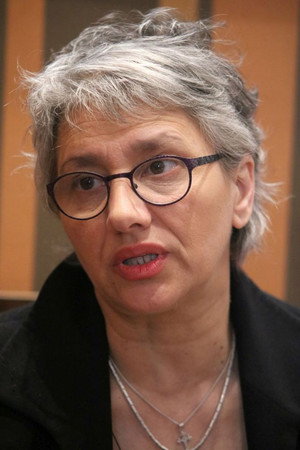
Gordana Đurđević-Dimić Movies, TV Shows, and Filmography

Gordana Đurđević-Dimić
Acting
Biography
No biography available.
Filmography Movies
Acting
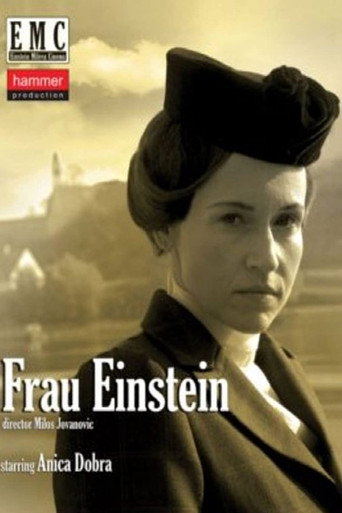
Frau Einstein
This film is a fascinating story about the life of Mileva Maric, a Serbian woman who was Albert Einstein’s first wife. It is an uplifting dramatic story about a woman who was a life companion during the most fruitful period of Einstein’s scientific work. Mileva intentionally carried to her grave one of the greatest secrets of modern science about her real contribution to the scientific work of Albert Einstein. Beside this eternal mystery, the film wishes to depict the love and dedication of Mileva to his husband’s fate, carrying herself a real Central European destiny of the first half of the XXth century.
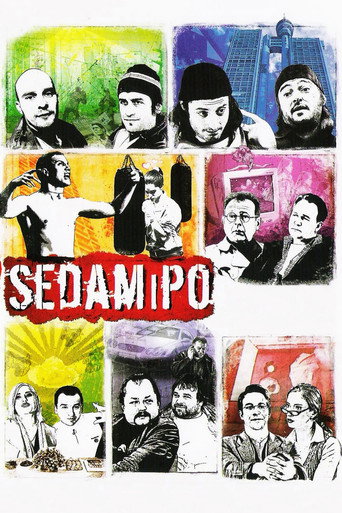
Seven and a Half
A collection of seven stories "from the block," linked by the theme of the seven deadly sins, humorously portrays the everyday life of New Belgrade's inhabitants, who are consumed by their minor foibles and guided by their passions. While pride, sloth, envy, wrath, greed, lust, and gluttony are biblical sins, they seem almost ridiculous in contemporary times when set against the backdrop of civilization's far more severe challenges.
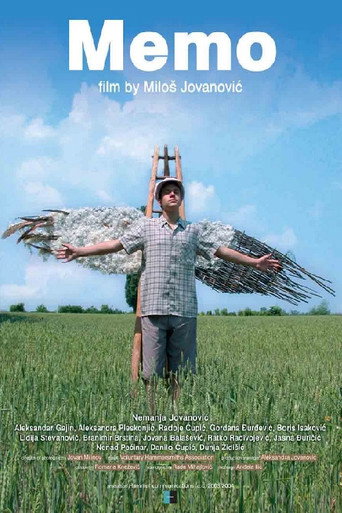
Memo
The story of the film is set in the period from the 1940s until today in the Pannonian plain (the plain in the Central Europe), in an area of elusive boundaries, mysterious and unstable spiritual identity. The witness of the time is a Jewish boy Benya Cohn who, with his eye wide open, remembers the tragedy of his family, in the shadow of the Holocaust, concentration camps and new wars.
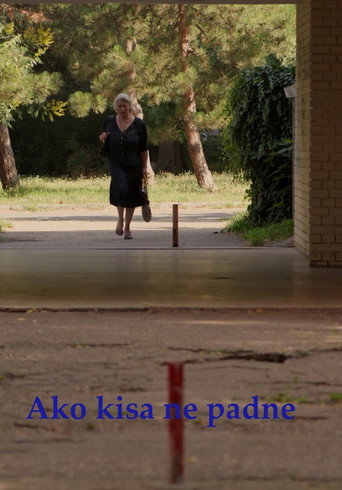
If It Doesn't Rain
Maksim is a retired music professor, a widower, nice, a bit shy, but a good and lonely man. Milena is a retired teacher, a widow, somewhat strict, but with a sense of humor - and also lonely. The two have been coming every week for years to the city cemetery, if it doesn't rain. They don't know each other and never have met, even though they are neighbors, so to speak.
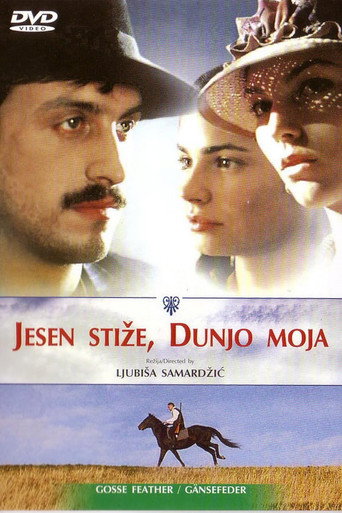
Goose Feather
Goose Feather (Serbian: Jesen Stiže, Dunjo Moja) was Serbia submission to the 77th Academy Awards for the Academy Award for Best Foreign Language Film, but was not accepted as a nominee. Vaguely based on a song By Djordje Balasevic called "Prica o Vasi Ladackom" (the story of Vasa Ladacki). The story is about a very poor boy that wanted abundance and wealth because he basically didn't own anything. He was in love with an equally poor girl that his father wouldn't accept. He moves to another village and starts drinking...
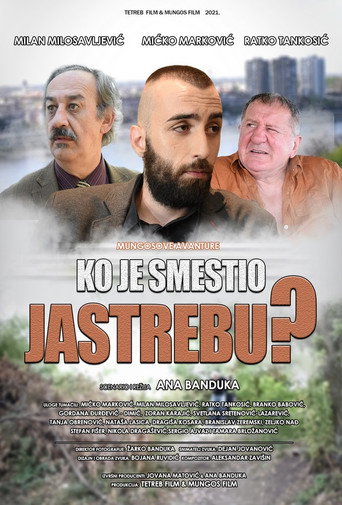
Who Set Hawk Up?
A low-budget comedy.
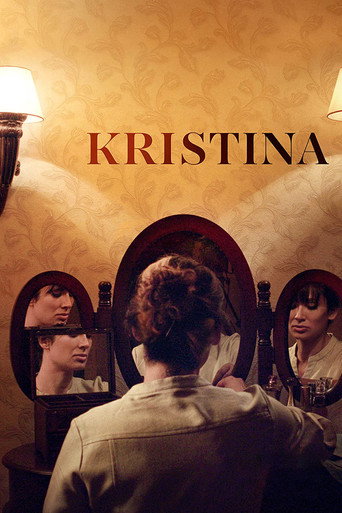
Kristina
Kristina is a transgender sex worker in Serbia. She plays herself in an eponymous film that portrays her daily life with reticence in accordance with the rules of fiction. We’re in Kristina’s home with her. With camp elegance, she contentedly arranges ikebana in the luxuriant, baroque shade of her garden. The surprisingly shrill ringtone of her telephone disrupts the idyllic scene and Kristina reels off the prices of her services to the caller. Tracing an inner journey in the secret calm of churches and forests, the film also opens up a space of confession in its core, in frontal shots where Kristina tells her story. It does not, however, follow the path of repentance. On the contrary, it asserts the profound freedom of a modern woman, captured majestically in a bold portrait with strokes inspired by iconostases that tend towards the divine.
NS Roulette
A story about an unusual break-up.
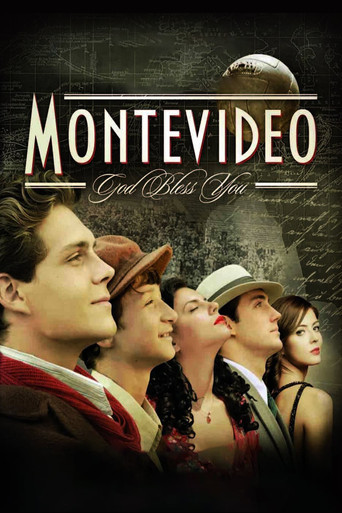
Montevideo, God Bless You!
A story about one team that decides to follow a dream that takes them on a journey to the First World Football Championship in Montevideo, Uruguay in 1930. A dream that allows them to become true stars and living legends.

Deus Ex Machina
If it hasn't been filmed it hasn't happened. It happened the way it was filmed.
Gallery