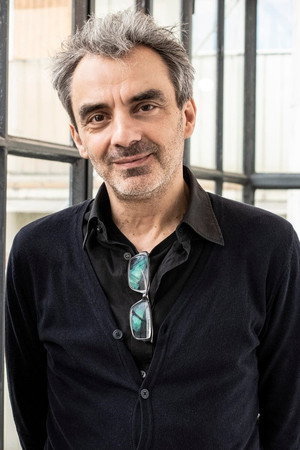
Goran Rebić Movies, TV Shows, and Filmography
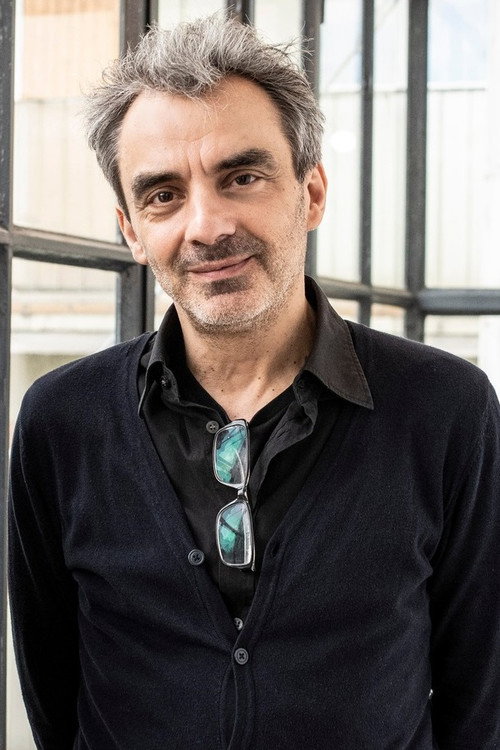
Goran Rebić
Directing
Biography
No biography available.
Filmography Movies
Acting
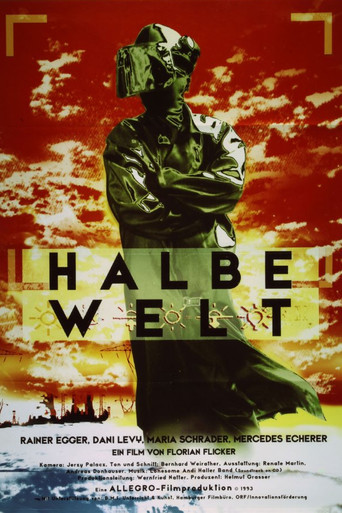
Half the World
The sun blazes down from the sky with destructive power; exposing oneself to its light means death. People have transposed everyday existence to the night. In the metropolis of HALF WORLD a culture based on various languages and lifeforms has grown rampant. Everyone is looking for a way to survive.
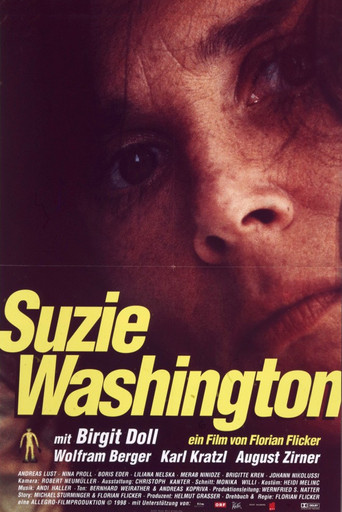
Suzie Washington
Nana Iaschwili, a teacher from East Europe, wants to emigrate to America to start a new life. After landing in Vienna, the authorities notice her falsified visa and arrest her. Nana, threatened with deportation, would prefer anything except being sent back and escapes. She must keep on the move constantly. The police are hot on her trail. Together with other illegal aliens, Nana, alias "Suzie Washington", flees to the so-called "green border", the no-man's-land between East and West. The police, cows and lonely men keep getting in her way.
Production
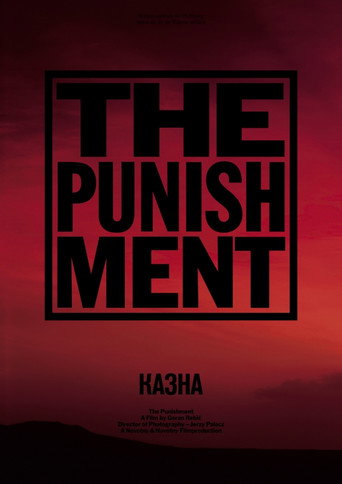
The Punishment
In spring 1999, NATO allies conducted a bombing campaign against Yugoslavia as part of the Kosovo War. The action was supposed to destroy Yugoslav military installations and was seen as a humanitarian operation. But the bombings were aimed around urban areas and civilians were killed as well. This documentary focuses on the everyday people -- regardless of their religious or political differences -- who suffered on the ground and became witnesses to the overwhelming tragedy around them.
The Punishment
In spring 1999, NATO allies conducted a bombing campaign against Yugoslavia as part of the Kosovo War. The action was supposed to destroy Yugoslav military installations and was seen as a humanitarian operation. But the bombings were aimed around urban areas and civilians were killed as well. This documentary focuses on the everyday people -- regardless of their religious or political differences -- who suffered on the ground and became witnesses to the overwhelming tragedy around them.
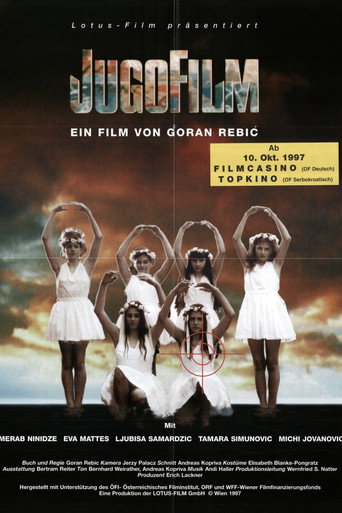
Yugofilm
The lives of a Serb family are torn apart by the pressures of the not-too-distant war with the Croats. The film addresses the fundamental question "Can love survive between political enemies?"
Yugofilm
The lives of a Serb family are torn apart by the pressures of the not-too-distant war with the Croats. The film addresses the fundamental question "Can love survive between political enemies?"
The Punishment
In spring 1999, NATO allies conducted a bombing campaign against Yugoslavia as part of the Kosovo War. The action was supposed to destroy Yugoslav military installations and was seen as a humanitarian operation. But the bombings were aimed around urban areas and civilians were killed as well. This documentary focuses on the everyday people -- regardless of their religious or political differences -- who suffered on the ground and became witnesses to the overwhelming tragedy around them.
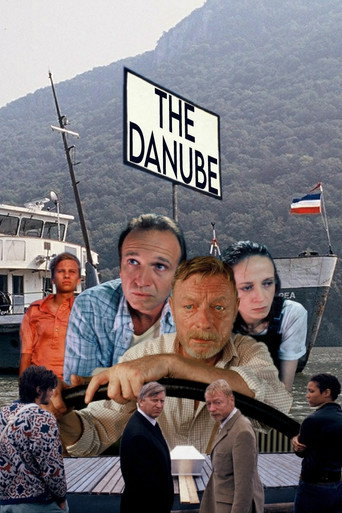
The Danube
As the ship Donau makes its final journey from Vienna to the Black Sea, a young man sworn to fulfill a dying woman's wish lures a reluctant captain into a new adventure.
Gekommen bin ich der Arbeit wegen
Goran Rebić’s first film, Gekommen bin ich der Arbeit wegen, is a tracing of the stations that his father Ratko passed through as guest worker in a foreign land, in Austria. Domovina, a musical tale of the old Serbian folksong, leads to Austria and to the Serbian-Romanian border, a dreamlike and melancholic melody of the diaspora. The documentary essay During the Many Years , which requires no socio-historical explanation and no narrator, reproduces a collection of impressions during a journey to Tbilissi (Tiflis) in May 1991.
The Danube
As the ship Donau makes its final journey from Vienna to the Black Sea, a young man sworn to fulfill a dying woman's wish lures a reluctant captain into a new adventure.
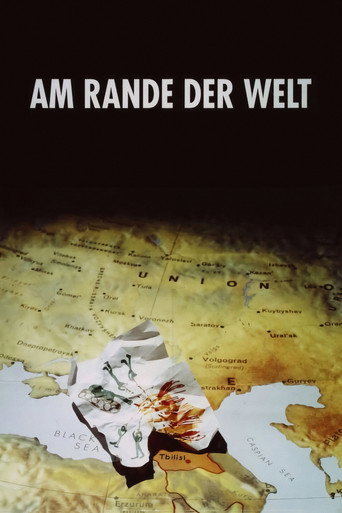
Am Rande der Welt
"At the Edge of the World" was filmed in 1991, the year of independence, and 1992, the year of war. One year between life as it was then and life as it is now, between rejoicing and destruction. The civil war in Georgia destroyed the utopia of freedom and left behind a battlefield, both in the country itself and in the minds of the Georgians.
Am Rande der Welt
"At the Edge of the World" was filmed in 1991, the year of independence, and 1992, the year of war. One year between life as it was then and life as it is now, between rejoicing and destruction. The civil war in Georgia destroyed the utopia of freedom and left behind a battlefield, both in the country itself and in the minds of the Georgians.
Gallery