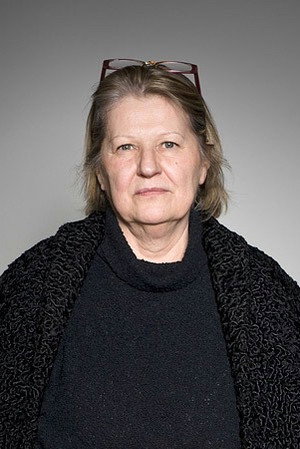
Ágnes Hranitzky Movies, TV Shows, and Filmography
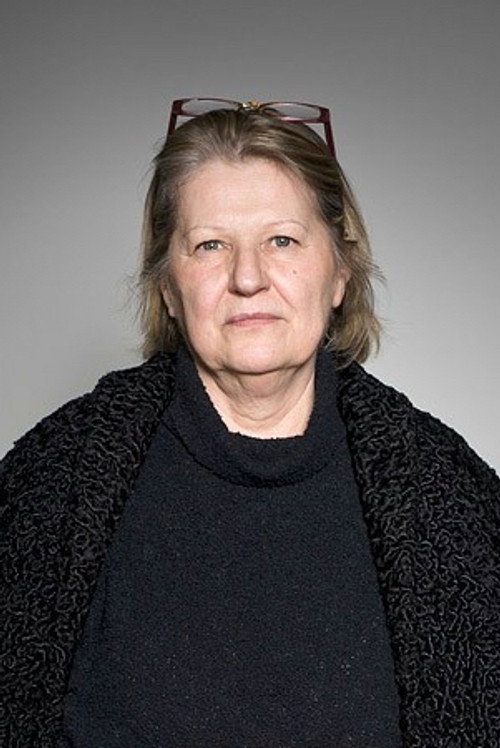
Ágnes Hranitzky
Editing
Biography
Ágnes Hranitzky is a Hungarian film editor and director best known for her long-standing collaborations with her spouse Béla Tarr. Hranitzky began working in the 1970s as a film editor on Hungarian films. She began collaborating with director Béla Tarr in 1981, editing his film The Outsider. She has edited all of Tarr's films since then. In 2000, with the film Werckmeister Harmonies Hranitzky began to be credited as a co-director on Tarr's films. The credit developed as Tarr is known for his long takes, the length of which forced Hranitzky to be on set during production in order to assist Tarr with knowing how things would develop in the editing room and which takes would match others. She co-directed The Man from London in 2007, again with Tarr as lead director. The film premiered In Competition at the 2007 Cannes Film Festival. In 2011 she again co-directed The Turin Horse, which premiered in 2011 at the 61st Berlin International Film Festival, where it received the Jury Grand Prix. Description above from the Wikipedia article Ágnes Hranitzky, licensed under CC-BY-SA, full list of contributors on Wikipedia.
Filmography Movies
Production
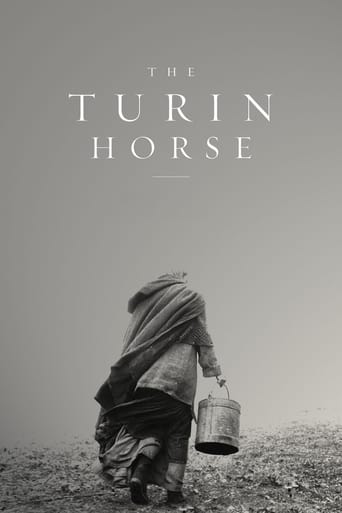
The Turin Horse
A look at the monotonous daily struggle of a father and daughter in a windswept, desolate landscape. Over six days, their routine of eating boiled potatoes and tending a failing horse crumbles, symbolizing a slow descent into darkness, emptiness, and the end of existence.
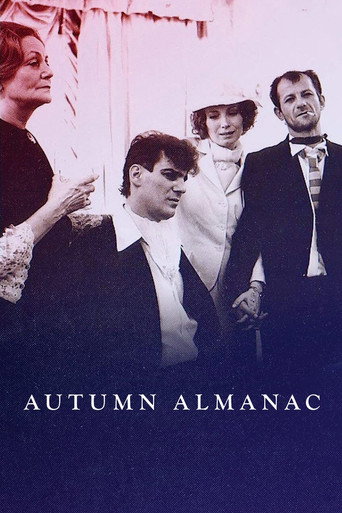
Autumn Almanac
In this dense setting, the inhabitants of a large, claustrophobic apartment reveal their darkest secrets, fears, obsessions and hostilities.
Autumn Almanac
In this dense setting, the inhabitants of a large, claustrophobic apartment reveal their darkest secrets, fears, obsessions and hostilities.
The Last Boat
The last ship (Utolsó hajó) is leaving the quay. Sirens are sounding.
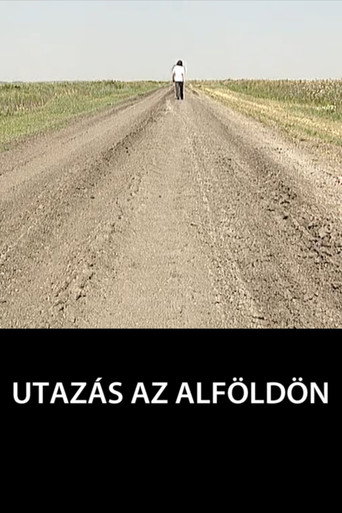
Journey on the Plain
Revisits of locations on the Great Hungarian Plain - the puszta - that were used in Tarr's Sátántangó and Werckmeister harmóniák. Recitations of short lyric poems by Hungary's national poet Sándor Petofi.
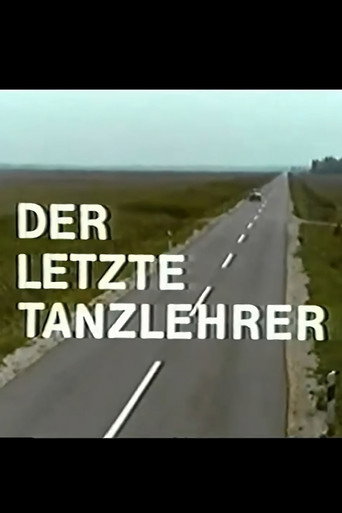
Az utolsó tánctanár
Géza Böszörményi's 1975 German-Hungarian co-production film stars János Balogh as a dance and etiquette teacher. He learned the craft from his father and now travels the country with his son Simon. They are on their way to Hortobágy to "celebrate" the closing ball of their dance school. But before that, they are teaching the locals the tricks of the art of gentlemanly behaviour in Pest. But the Hortobágy dance exam is not as successful as in the good old days. The young people have only one thing on their minds: to live in the capital as soon as possible, and in the Hortobágy they will soon be nothing but horsemen and cowboys entertaining the western tourists of the National Park. János Balogh and his son also go back to the bleak and soulless prefab housing estate, where Simon tells his father that he no longer wants to be a dance teacher.
Stratagem
The story played by civilian players is laid in a Transdanubian village, where on the initiative of the municipality doctor the local inhabitants wish to build a social welfare home as volunteers, with the support of the local co-operative and the state farm. Having first consented to the plan, the leadership of the county starts opposing the project because of the plan to build a social welfare home called the City of the Happy Aged to be established by the county. Both parties take the field for their ideas and the battle starts.
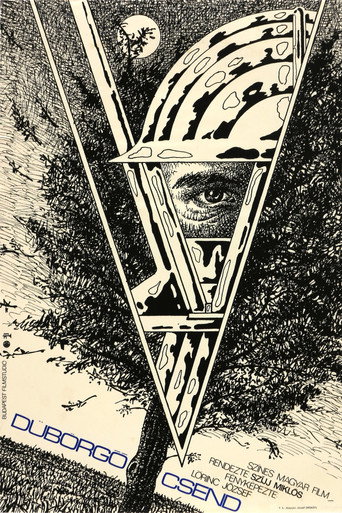
Rumbling Silence
An oil driller falls for the lonely farm wife of a man working in Budapest.
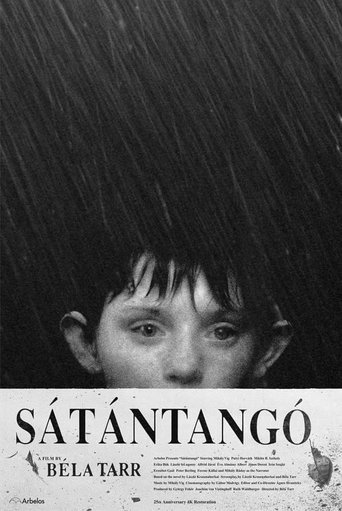
Satantango
Inhabitants of a small village in Hungary deal with the effects of the fall of Communism. The town's source of revenue, a factory, has closed, and the locals, who include a doctor and three couples, await a cash payment offered in the wake of the shuttering. Irimias, a villager thought to be dead, returns and, unbeknownst to the locals, is a police informant. In a scheme, he persuades the villagers to form a commune with him.
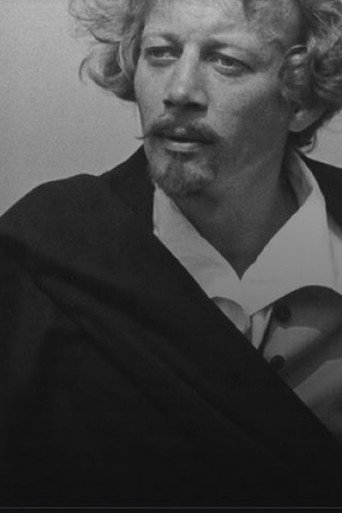
The Myth-Makers
Eighteen years after the failure of the revolution and freedom fighting 1848-49, the politicians of Hungary preparing for a compromise with Austria try to make use of the symbol of the revolution, the figure of the poet Petőfi Sándor, to their own advantage. They visit all the memorial sites, find the witnesses and recall the famous events. Memories and political intentions conflict with each other, and the circumstances of the poet's death cannot be reconstructed entirely.
Gallery