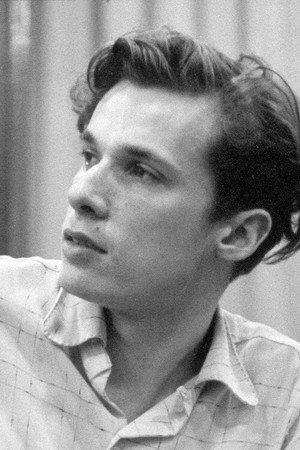
Glenn Gould Movies, TV Shows, and Filmography
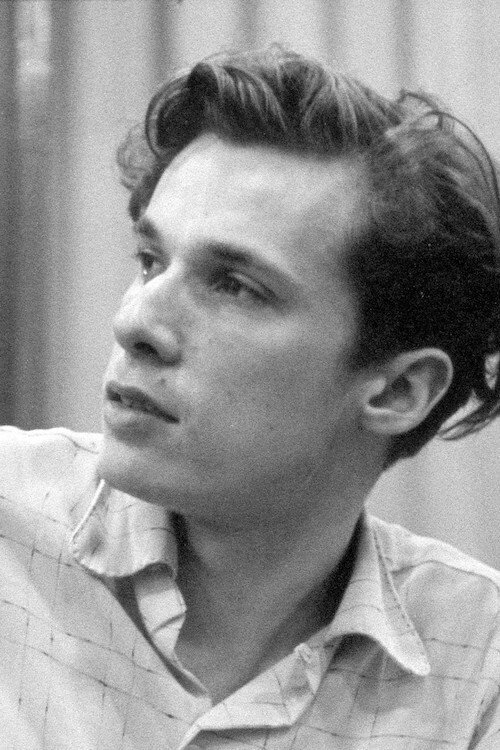
Glenn Gould
Acting
Biography
From Wikipedia, the free encyclopedia. Glenn Herbert Gould (September 25, 1932 – October 4, 1982) was a Canadian pianist who became one of the best-known and most celebrated classical pianists of the 20th century. He was particularly renowned as an interpreter of the keyboard music of Johann Sebastian Bach. His playing was distinguished by remarkable technical proficiency and capacity to articulate the polyphonic texture of Bach’s music. Gould rejected most of the standard Romantic piano literature and shunned the music of several of its composers, notably Franz Liszt, Robert Schumann, and Frédéric Chopin. Although his recordings were dominated by Bach, Gould's oeuvre was diverse, including works by Beethoven, Mozart, Haydn, Brahms, pre-Baroque composers such as Jan Sweelinck, and such 20th-century composers as Paul Hindemith and Arnold Schoenberg. Gould was well known for various eccentricities, from his unorthodox musical interpretations and mannerisms at the keyboard to aspects of his lifestyle and personal behavior. He stopped giving concerts at the age of 31 to concentrate on studio recording and other projects. Gould was also known as a writer, composer, conductor, and broadcaster. He was a prolific contributor to musical journals, in which he discussed music theory and outlined his musical philosophy. His career as a composer was less distinguished; his output was minimal and many projects were left unfinished. There is evidence that, had he lived beyond 50, he intended to abandon the piano and devote the remainder of his career to conducting and other projects. As a broadcaster, Gould was prolific. His output ranged from television and radio broadcasts of studio performances to musique concrète radio documentaries about life in the Canadian wilderness. Description above from the Wikipedia article Glenn Gould, licensed under CC-BY-SA, full list of contributors on Wikipedia.
Filmography Movies
Acting
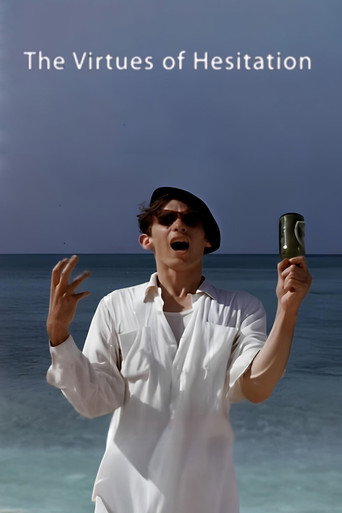
The Virtues of Hesitation
A whimsical, five-minute short film shot in the Bahamas during Glenn Gould’s vacation, featuring the famed pianist himself in a comedic scenario with Jock Carroll and Anatole Green.
Glenn Gould, Recording Artist
GLENN GOULD,RECORDING ARTIST is a feature length documentary about music, ideas, and technology, focusing on the innovative ideas of musician Glenn Gould. Film focuses on Gould's fresh approach to recording at Columbia Records 30th Street Studios, as well as his contrapuntal radio documentaries.
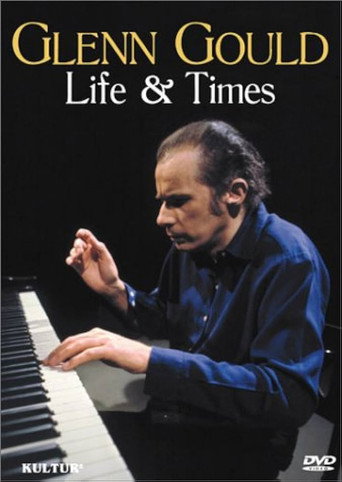
Glenn Gould: Life & Times
Filmmaker David Langer traces the short but remarkable life of classical pianist Glenn Gould, an eccentric artist who took the world by storm when he made his professional debut at age 14 but had stopped performing entirely by the time he was 32. Extras include Gould's performances of Johann Sebastian Bach's "Concerto No. 5 in F minor, Largo and Presto" and "Fugue No. 4."
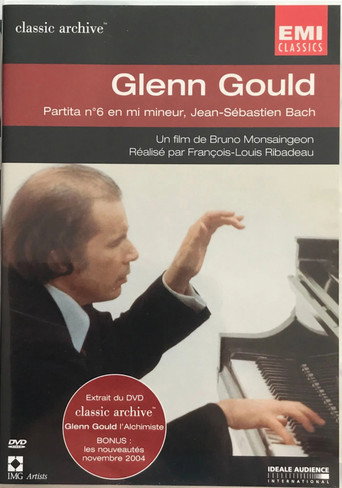
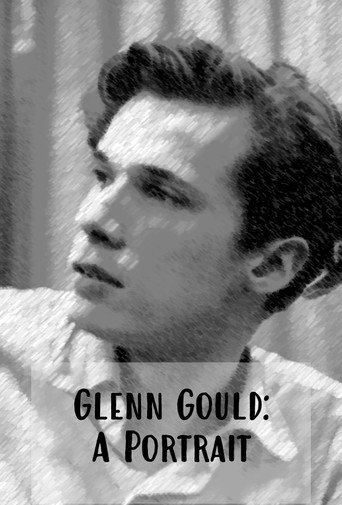
Glenn Gould: a Portrait
Glenn Gould: A Portrait is a biography of pianist and "explorer of sounds" Glenn Gould. The 105-minute program -- a montage of interviews, photographs, recording sessions, and concerts -- depicts the life and times of this late musician. Highlights of the film include pictures and scenes from Gould's life in Canada, as well as interviews with Geoffrey Payzant, broadcaster Margaret Pacsu, musician John Peter Lee Roberts, and music critic Paul Hume. Gould's personal views on animals (especially his affinity for skunks), his psychiatry, pacifism, and solitude are reflected on by family and friends.
The Creative Performer
Leornard Bernstein conducts the New York Philharmonic Orchestra, first with pianist Glenn Gould performing Bach's Keyboard Concerto #1 in D minor and then with soprano Eileen Farrell singing the "Suicidio!" aria from Amilcare Ponchielli 's opera "La Gioconda". Finally, composer Igor Stravinsky takes over the podium, conducting the last three scenes from his ballet "The Firebird". Bernstein also gives an opening talk on the vagaries of musical score notation and introduces each of the three guest performers. Originally aired on January 31, 1960 on CBS Television as part of its Ford Presents series.
Glenn Gould: On the Record
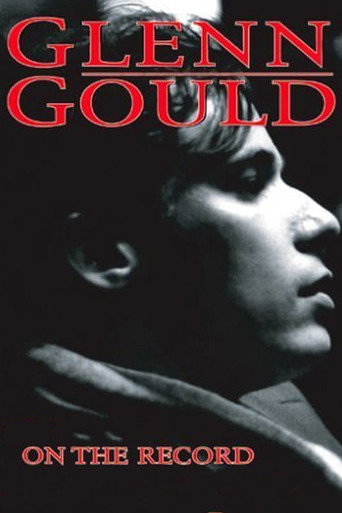
This short documentary (the second of two parts) follows Glenn Gould to New York City. There, we see the renowned Canadian concert pianist kidding the cab driver, bantering with sound engineers at Columbia Records, and then, alone with the piano, fastidiously recording Bach's Italian Concerto.
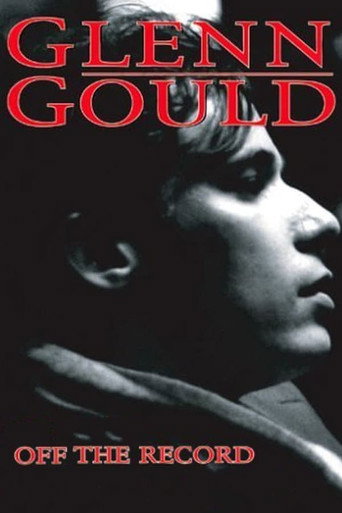
Glenn Gould: Off the Record
Canadian concert pianist Glenn Gould enjoys a respite at his lakeside cottage. It is an aspect of Gould previously known only to the collie pacing beside him through the woods, the fishermen resting their oars to hear his piano, and fellow musicians like Franz Kraemer, with whom Gould talks of composition. (First of two parts.)
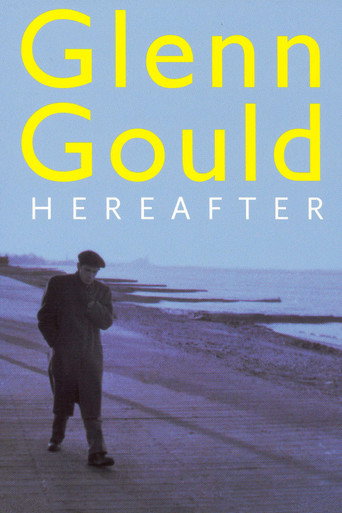
Glenn Gould: Hereafter
A retrospective of the life and work of Glenn Gould, Hereafter synthesizes an incredible wealth of archival material from various sources.
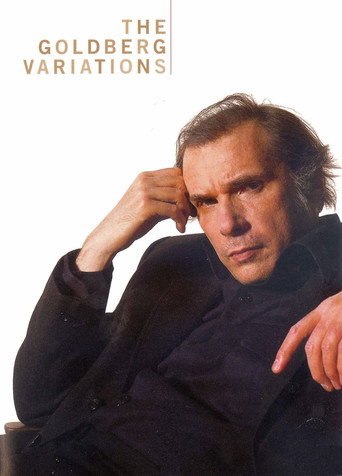
The Goldberg Variations
Part III in the series "Glenn Gould Plays Bach" spotlights Gould recording Bach's "Goldberg Variations" in a sound studio. In a brief introduction, he reminisces about his first recording of the pieces and explains why he wanted to record them again now, a quarter of a century later. It was to be his last recording of the "Goldberg Variations" and perhaps the last time he played the work: Glenn Gould died the year after the recording was made.
Production
The Virtues of Hesitation
A whimsical, five-minute short film shot in the Bahamas during Glenn Gould’s vacation, featuring the famed pianist himself in a comedic scenario with Jock Carroll and Anatole Green.
Slaughterhouse-Five
Billy Pilgrim, a veteran of the Second World War, finds himself mysteriously detached from time, so that he is able to travel, without being able to help it, from the days of his childhood to those of his peculiar life on a distant planet called Tralfamadore, passing through his bitter experience as a prisoner of war in the German city of Dresden, over which looms the inevitable shadow of an unspeakable tragedy.
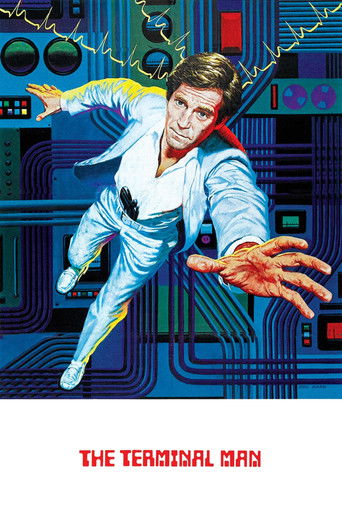
The Terminal Man
As the result of a head injury, brilliant computer scientist Harry Benson begins to experience violent seizures. In an attempt to control the seizures, Benson undergoes a new surgical procedure in which a microcomputer is inserted into his brain. The procedure is not entirely successful.
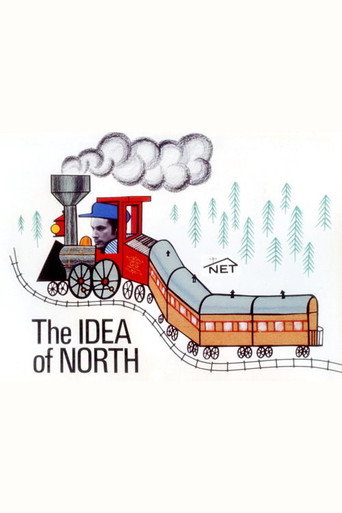
The Idea of North
Glenn Gould tells the tale of a student's winter journey from Toronto to distant Winnipeg with images and music reflecting the majesty of the North. Based on Gould's radio documentary of the same name.
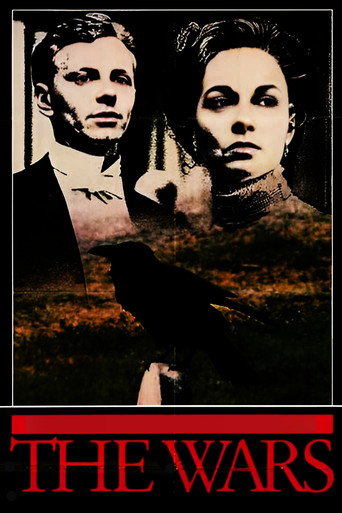
The Wars
Robert Ross (Brent Carver) lives a protected adolescence in a well-off Toronto suburb. Secretive and withdrawn, he shares his thoughts only with his sister Rowena (Anne-Marie MacDonald) who is mentally disabled. He feels compassion for his weak and conventional father. He avoids any confrontation with his mother (Martha Henry), a dominating woman whose despondency at having given birth to a handicapped child has turned to bitterness. Rowena occupies a central position in Robert's existence of daydreams and make-believe. When she dies, Robert clashes openly with his family, and decides to take himself in hand. It's 1914. He enrolls in the Canadian army, and, after training in Alberta and Montreal, he finds himself in England and France. The war becomes another way for him to resolve his conflicts, his dramas, his passions--his wars.
Glenn Gould's Toronto
In this witty documentary monologue, Glenn Gould reflects on his complex relationship with Toronto — praising its quietude, poking fun at its reputation, and weighing its cultural mosaic, urban resilience, and rivalry with Montreal. With his trademark mix of clarity, irony, and personal reminiscence, Gould reveals a bond with the city that is neither boosterish nor dismissive, but as nuanced and singular as the man himself.
Spheres
This animated short is a play on motion set against a background of multi-hued sky. Spheres of translucent pearl float weightlessly in the unlimited panorama of the sky, grouping, regrouping or colliding like the stylized burst of some atomic chain reaction. The dance is set to the musical cadences of Bach, played by pianist Glenn Gould.
Gallery