Sound
No biography available.
In a small town by the sea in 1960's Sicily, Rebecca spends every day locked up at home listening to the radio, hoping to hear the voice of her missing lover, Pietro.
On July 19–21, 2001, over 200,000 people took to the streets of Genoa to protest against the ongoing G8 summit. Anti-globalization activists clashed with the police, with 23-year-old protester Carlo Giuliani shot dead after confronting a police vehicle. In the aftermath, the police organized a night raid on the Diaz high school, where around a hundred people between unarmed protesters—mostly students—and independent reporters who documented the police brutality during the protests had took shelter. What happened next was called by Amnesty International "the most serious breach of civil liberties in a democratic Western country since World War II."
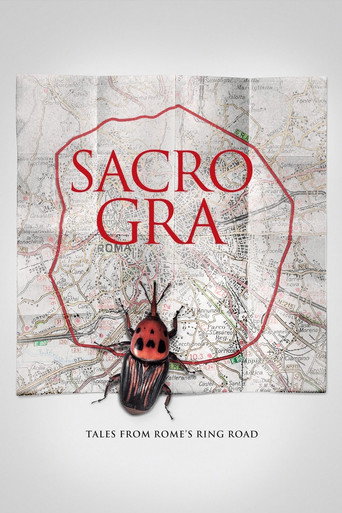
After the India of Varanasi’s boatmen, the American desert of the dropouts, and the Mexico of the killers of drugtrade, Gianfranco Rosi has decided to tell the tale of a part of his own country, roaming and filming for over two years in a minivan on Rome’s giant ring road—the Grande Raccordo Anulare, or GRA—to discover the invisible worlds and possible futures harbored in this area of constant turmoil. Elusive characters and fleeting apparitions emerge from the background of the winding zone: a nobleman from the Piemonte region and his college student daughter sharing a one-room efficiency in a modern apartment building along the GRA.
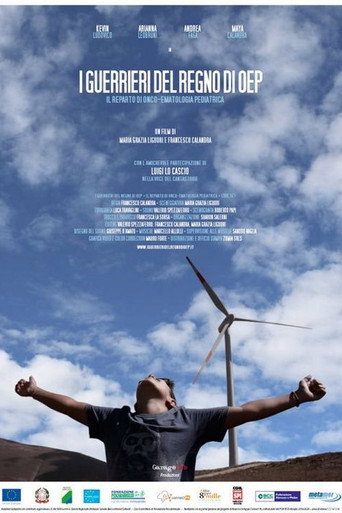
A documentary with some fictional scenes that focuses the attention, more than on hospitalized children, on the human dynamics that are established in their families. Shot in the Oncohematology ward of an Italian hospital, the movie follows the life of some young patients being treated, alternating interviews with their relatives and hospital staff.
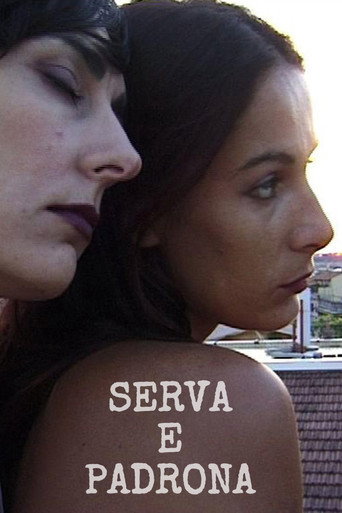
Three young women at home, the eye of the camera doesn't leave them for a moment and shows them first in a narrow kitchen, then in a small bathroom in front of a mirror, then in a bare living room where they spend part of the evening. The three are the mistress of the house and her servants, and the film is based on Les Bonnes by Genet. The servants pretend to unite to varying degrees against their mistress, and she, in turn, pretends to be a mistress who doesn't give explicit orders but who makes herself admired anyway. Each one of them plays the part that is most congenial to her.
This film tells three different love stories, or alleged love stories, or, nevertheless, stories of sentimental relationships set in the Lazio countryside, Rome, and Naples. This is the reiteration - in different days and in different places - of an encounter among three people that (perhaps) may turn out to be fatal.
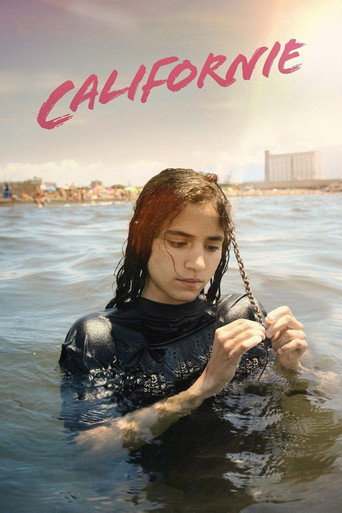
Jamila is a Moroccan girl from southern Italy who is figuring out life without guidance, friends, or money. She is intelligent and resourceful though and at times it seems she is blazing her own path. But her pride and restlessness may cause her to slip through the cracks.
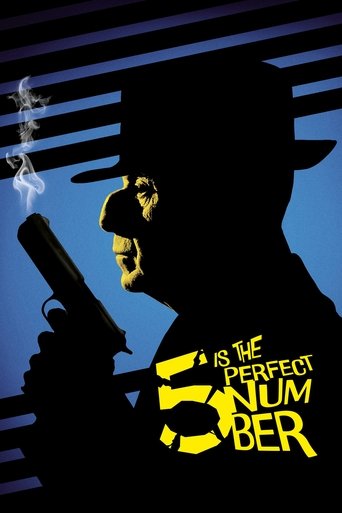
Peppino, a retired hitman for the Camorra, has now fully passed on his job and know-how to his single son, Nino. But when Nino is brutally assassinated, the old man is back in business to take revenge. Aside his everlasting love Rita and his longtime henchman Totò, Peppino will go to any lengths, even if it means bringing the Camorra down.
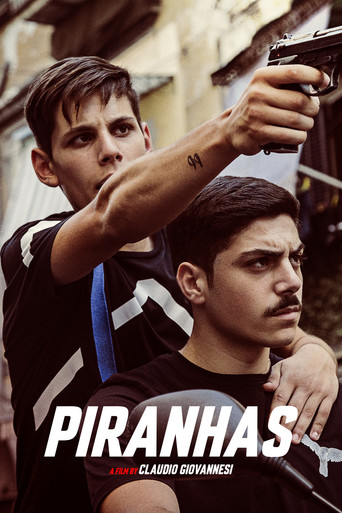
A gang of teenage boys stalk the streets of Naples armed with hand guns and AK-47s to do their mob bosses' bidding – until they decide to be the bosses themselves.
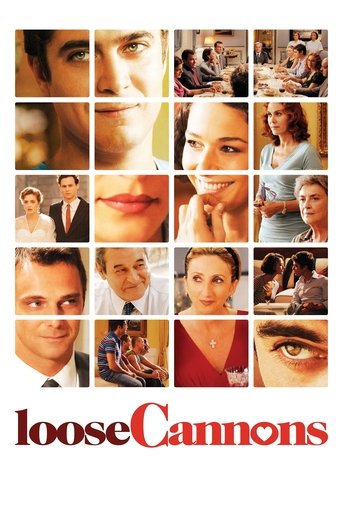
Tommaso is the youngest son of the Cantones, a large, traditional southern Italian family operating a pasta-making business since the 1960s. On a trip home from Rome, where he studies literature and lives with his boyfriend, Tommaso decides to tell his parents the truth about himself. But when he is finally ready to come out in front of the entire family, his older brother Antonio ruins his plans.