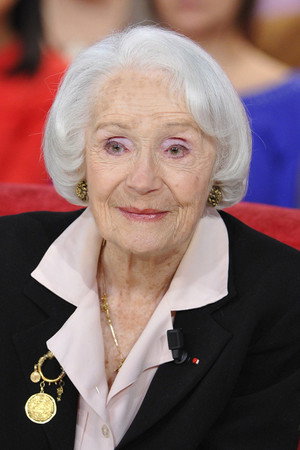
Gisèle Casadesus Movies, TV Shows, and Filmography
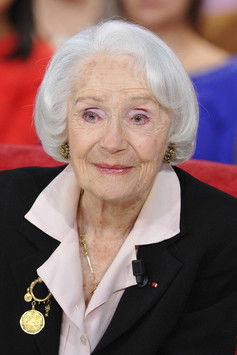
Gisèle Casadesus
Acting
Biography
Gisèle Casadesus (14 June 1914 – 24 September 2017) was a French actress, who appeared in numerous theatre and film productions. She was an honorary member of the Sociétaires of the Comédie-Française, Grand Officer of the Legion of Honor, Officer of the Ordre des Arts et des Lettres, and Grand-Croix of the National Order of Merit. In a career spanning more than 80 years, Casadesus appeared in more than a dozen films after turning 90. Born into a family of artists in the 18th arrondissement of Paris, Gisèle was the daughter of musician, composer and conductor Henri Casadesus and harpist Marie-Louise Beetz, her older brother was actor Christian Casadesus. After receiving first prize in acting at French National Academy of Dramatic Arts at the age of twenty, Casadeus joined the Comédie-Française in 1934. The same year, she married the actor Lucien Pascal (born Lucien Probst), with whom she had four children: Jean-Claude (1935), Martine (1939), Béatrice (1942) and Dominique (1954), all artists. She became the 400th member of the Comédie-Française 1 January 1939, and honorary member on 15 April 1967. In cinema, Pierre Billon hired her in 1943 to play the role of Clotilde Grandlieus in Vautrin, adapted from Balzac's novel, alongside Michel Simon, and in 1946 for the role of Mary in L'Homme au chapeau rond, alongside Raimu. In 1971 she was Countess Eguzon in La Belle Aventure, participated in Le Mouton enragé by Michel Deville, played the role of Nicole Leguen, wife of Jean Gabin in Verdict (1974) by André Cayatte, and the mother of Claude Jade in Les Robots pensants (1976). Again with Claude Jade, she was Mamie Rose (1976), the "grand-mère au pair" in the film by Pierre Goutas, her greatest role. It is followed by her Catherine in Un crime de notre temps (1977) by Gabriel Axel. Claude Lelouch engaged her in 1996 for the role of Clara Blanc, mother of Bernard Tapie, in Hommes, femmes, mode d'emploi. In Aïe (2000), she is the mother of André Dussollier, and in Valérie Lemercier's comedy Palais Royal (2005) she plays the queen mother. She was Margueritte ("with two ts") alongside Gérard Depardieu in Jean Becker's My Afternoons with Margueritte (2010). In 2013, aged 99, Casadesus acted alongside Anne Consigny and Marie Kremer in Sous le figuier directed by Anne-Marie Étienne. Casadesus was awarded Grand Officer of the Legion of Honour on 29 March 2013. She was also an Officer of the Ordre des Arts et des Lettres, and Grand-Croix of the National Order of Merit. She received an Honorary Molière Award in 2003 for her entire career. Casadesus died in Paris, France, at the age of 103. Source: Article "Gisèle Casadesus" from Wikipedia in English, licensed under CC-BY-SA 3.0.
Filmography Movies
Acting
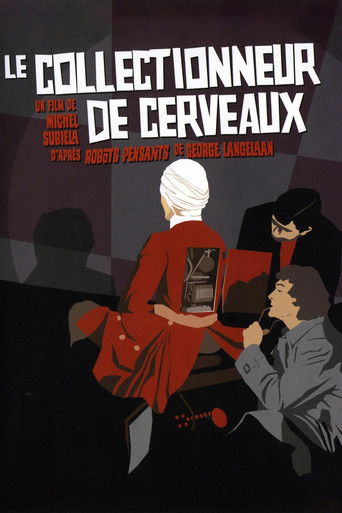
The Collector of Brains
A young pianist is shocked when she witnesses a strange chess tournament with a robot. Could there be a gruesome secret behind this exhibition?
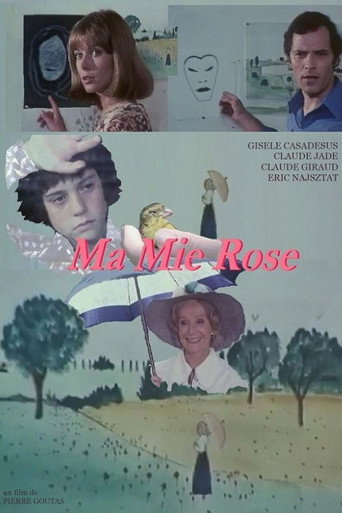
Mamie Rose
Agathe and Regis have a little boy, Benoît, who is very capricious and sometimes aggressive. The couple, on the verge of divorce, is planning to go on vacation in order to better reflect on their decision. To do this, Agathe and Regis publish an ad in a newspaper: "Young couple seeks au pair grandmother to take care of little boy, 10 years old...". An old lady, Rose, shows up. She arrives with a fish and a bird she can't part with. The first contacts with Benoît are very unpleasant. Not discouraged, she realizes that he is unhappy and that he suffers a lot from feeling unloved in his family.
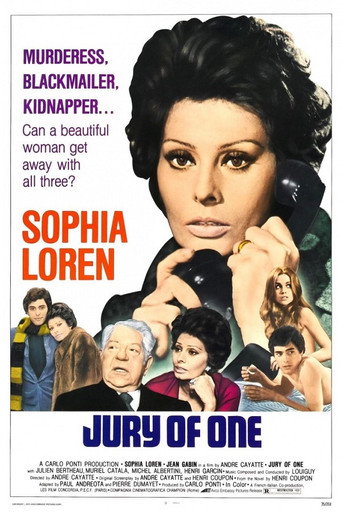
Jury of One
A desperate woman, whose son is on trial for murder, blackmails the judge and kidnaps his wife.
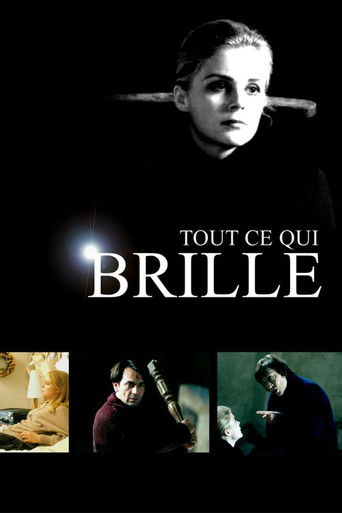
Tout ce qui brille
Laurence is 30 years old, has a loving husband and an exciting job. But her happiness is not complete because, despite numerous attempts, she is unable to have a child. Weakened by a miscarriage, her hope is reborn the day she meets Edith, a former nurse who has developed a personal method of care based on energy control. Thanks to Edith, Laurence regains her health and finally becomes pregnant. But there is a price to pay.
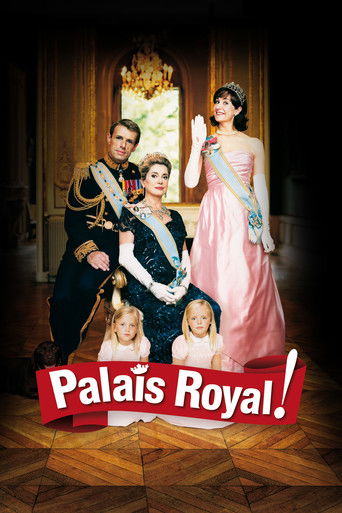
Royal Palace
Eugenia is the queen of an imaginary European country. When her husband dies, quite unexpectedly, the country is left without a king. According to the law, the new king needs to be married so that leaves out the eldest son. Her youngest son, Prince Arnaud is married to the lovely Armelle and they have two young children. They become the future rulers of the kingdom.
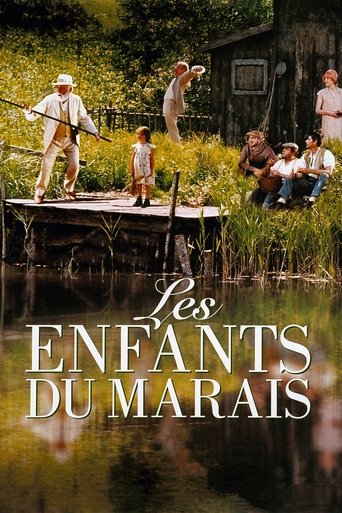
The Children of the Marshland
The film is set in Marais, a quiet region along the banks of Loire river in 1918. Riton is afflicted with a bad-tempered wife and three unruly children. Garris lives alone with his recollections of World War I trenches. Their daily life consists of seasonal work and visits from their two pals: Tane, the local train conductor and Amédée, a dreamer and voracious reader of classics.

Love at the Top
A shy bank employee unexpectedly invites a young woman to a café, leading to a one-night stand. When he shares this with his disillusioned friend, the writer helps him navigate a dazzling social ascent.
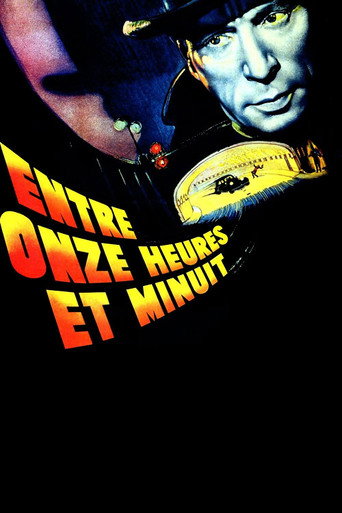
Between Eleven and Midnight
Between eleven o’clock and midnight one evening, a notorious trafficker Jérôme Vidauban is shot whilst walking in a tunnel in Paris. The case is assigned to Inspector Carrel, who is Vidauban’s perfect double. Using his resemblance to the arch criminal, Carrel manages to infiltrate in Vidauban’s circle of acquaintances and contacts. He becomes embroiled in a bizarre web of intrigue and discovers no shortage of possible murder suspects, all of whom appear to be surprised to see him still alive.
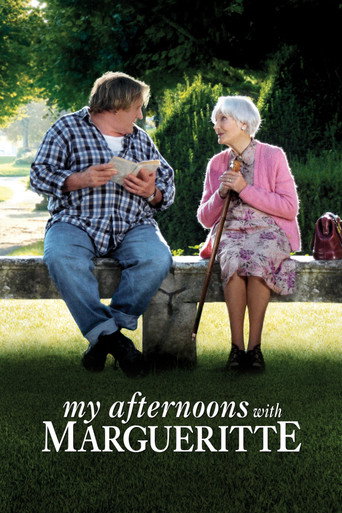
My Afternoons with Margueritte
An illiterate and lonely man bonds with an older and well-read woman.
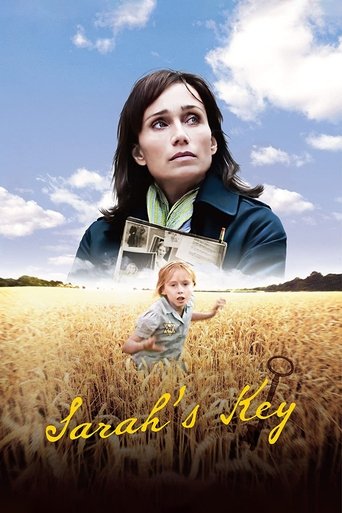
Sarah's Key
On the night of 16 July 1942, ten year old Sarah and her parents are being arrested and transported to the Velodrome d'Hiver in Paris where thousands of other jews are being sent to get deported. Sarah however managed to lock her little brother in a closet just before the police entered their apartment. Sixty years later, Julia Jarmond, an American journalist in Paris, gets the assignment to write an article about this raid, a black page in the history of France. She starts digging archives and through Sarah's file discovers a well kept secret about her own in-laws.
Gallery