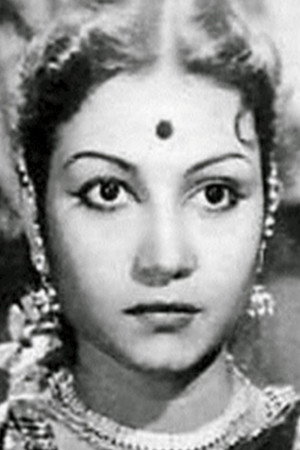
Girija Movies, TV Shows, and Filmography
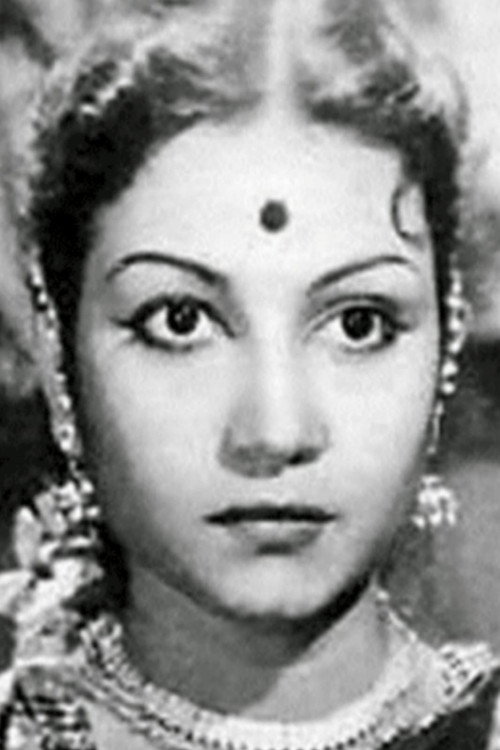
Girija
Acting
Biography
Dasari Girija (3 March 1938 – 5 September 1995) was an Indian actress who has worked in Telugu films.
Filmography Movies
Acting
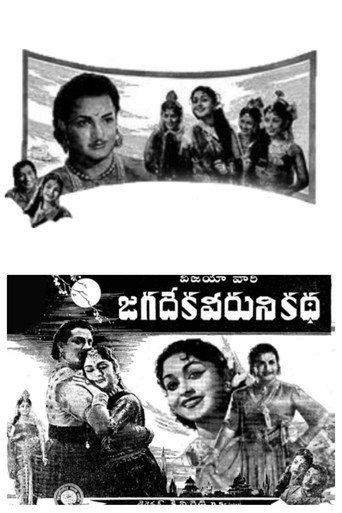
Jagadeka Veeruni Katha
When asked by the king what his ambition is, prince Pratap says he wants to marry four celestial maidens. The angered king exiles him and Pratap sets off on a quest to find the maidens.
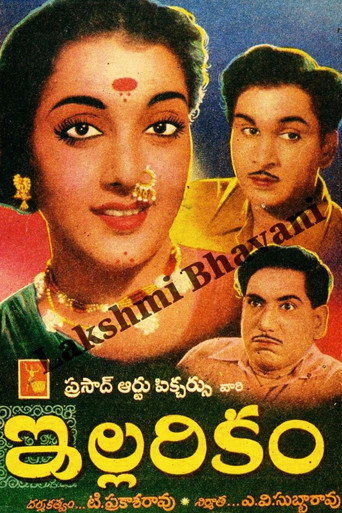
Illarikam
Venu, a poor man, falls in love and marries Radha, a zamindar's daughter. When Venu moves into the zamindar's house,there are multiple problems Venu has to battle.

Navaratri
Radha's father brings a marriage proposal for her, which she refuses and runs away from home. Later, she comes across nine people, each representing a specific human behaviour.
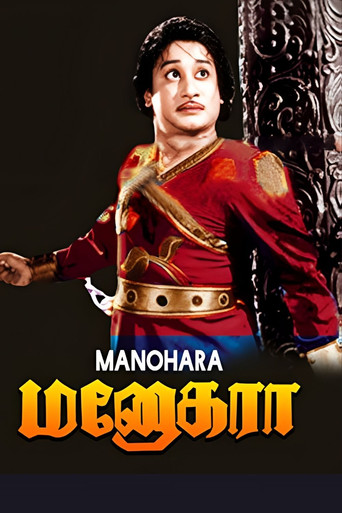
Manohara
Manohara produced by M. Somasundaram. The Sivaji Ganesan-L. V. Prasad production was distinct, becoming a cult classic. Karunanidhi virtually rewrote Mudaliar’s play, introducing interesting changes like the climactic sequence for which he drew inspiration from “Samson and Delilah”, especially the part where the blind Samson pushes the pillars down. Mu. Karunanidhi’s writing was superb with a contemporary touch. His dialogue had punch, satire, wit and humour. Sivaji Ganesan was excellent in his dialogue delivery and P. Kannamba who played the queen mother was equally brilliant. Her line, ‘Poruthathu podhum, pongi ezhu, maganey’, became quite famous.
Thirumbi Paar
Thirumbi Paar, directed by T. R. Sundaram, was an interesting film in which Sivaji Ganesan played a role with negative shades. The character dabbles in avenues such as journalism and politics. T. P. Muthulakshmi plays the dumb wife of an elderly husband (K. A. Thangavelu) who goes to work early. Sivaji Ganesan, a seducer, who sneaks into the dumb woman’s house, alters the clock to send the husband away well before the usual time. This sequence was mercilessly scissored by the censors and what was left lost its touch of satire and innuendo!
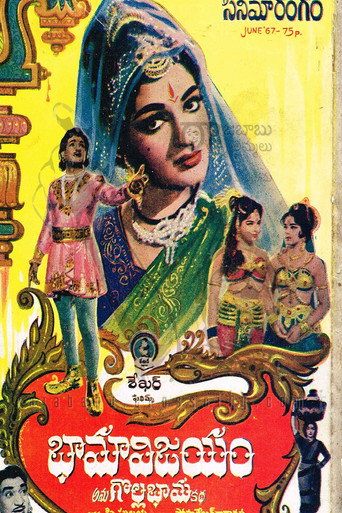
Bhama Vijayam
Bhama Vijayam is a 1967 Indian Telugu-language swashbuckler film, produced by Somasekhar and Radha Krishna, and directed by C.Pulliah. It stars N. T. Rama Rao and Devika, with music composed by T. V. Raju. The film is based on Gollabhama (1947) which itself is based on the stories of Kaasi Majililu written in Telugu by Madhira Subbanna Deekshitulu.
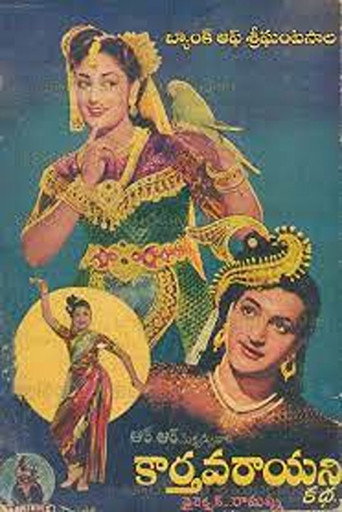
Karthavarayani Katha
Karthavarayuni Katha (transl. Story of Karthavaraya) is a 1958 Indian Telugu-language Hindu mythological film, produced and directed by T. R. Ramanna under the R. R. Pictures banner. It stars N. T. Rama Rao and Savitri, with music composed by G. Ramanadhan and Ashwathama. The film was simultaneously made as the Tamil movie Kathavarayan (1958) by the same banner and director.
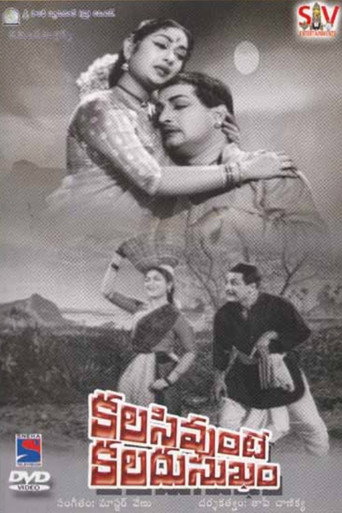
Kalasi Unte Kaladu Sukham
Pattabhi Ramayya, who does not have any children, dotes on his younger brother and his two sons. However, trouble starts in their happy joint family with the entry of Rangoon Raja, a relative of Pattbhi Ramayya's wife.
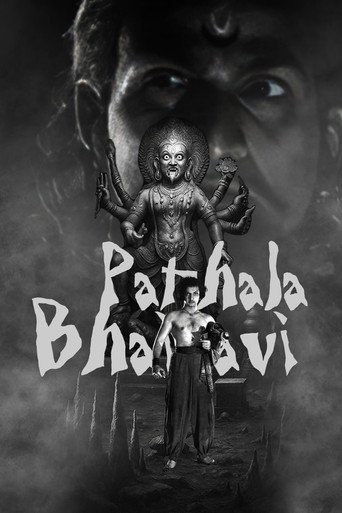
Pathala Bhairavi
Thota Ramudu faces opposition when he falls in love with a princess. He then seeks the help of a sorcerer, who secretly plans to sacrifice Thota Ramudu to Goddess Pathala Bhairavi.
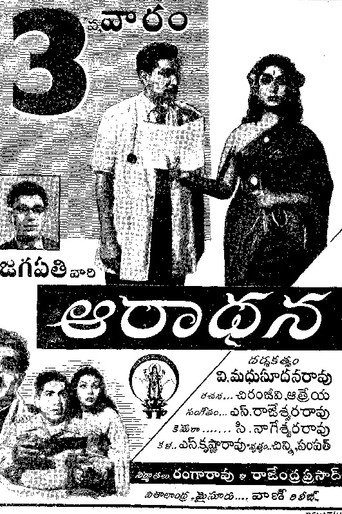
Aradhana
Dr. Murali Krishna loves Anuradha, but he loses his scholarship after a misunderstanding with her. Krishna becomes engaged to Lakshmi before going to London. An uninterested Lakshmi asks Anuradha to write letters to Krishna on her behalf, intensifying Anuradha's feelings. Then Krishna has an accident and everything changes.
Gallery