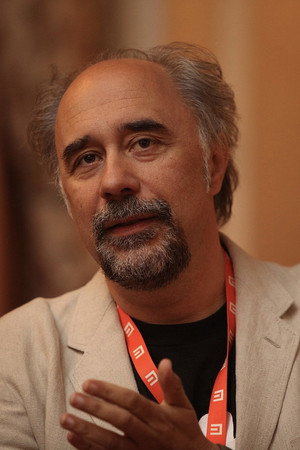
Giorgio Diritti Movies, TV Shows, and Filmography
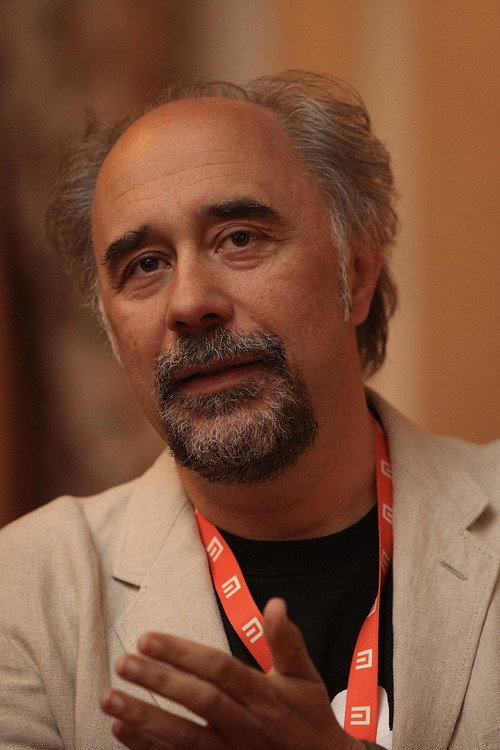
Giorgio Diritti
Directing
Biography
No biography available.
Filmography Movies
Acting
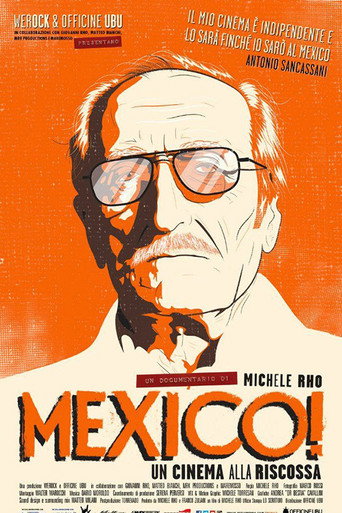
Mexico! Un cinema alla riscossa
The Cinema Mexico is one of the last single-screen cinemas left in Milan. Its story is inextricably tied to the figure of Antonio Sancassani who ran it independently for the past thirty years taking care of every single aspect. At the cinema Mexico he presents independent films, debuts, films in original version, documentaries, forgotten films or films that have been "burned" by large-scale distribution offering them a second chance. The thirty-six years of the Rocky Horror Picture Show and two extraordinary years of The Wind Blows Round are only some of the successes that have made of the cinema a reference point for insiders from all over Italy. A passionate portrait that reflects on the fate of small cinemas and on the difficulties for independent cinema that is suffocated by the laws of the market, by online streaming and by the television.
In famiglia
Production
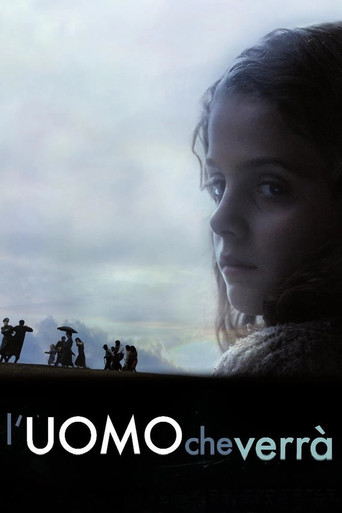
The Man Who Will Come
A group of Italian villagers struggle to survive during a tumultuous time in 1943, debating how much assistance to give the partisans with the impending arrival of the Germans. Based on True Events.
The Man Who Will Come
A group of Italian villagers struggle to survive during a tumultuous time in 1943, debating how much assistance to give the partisans with the impending arrival of the Germans. Based on True Events.
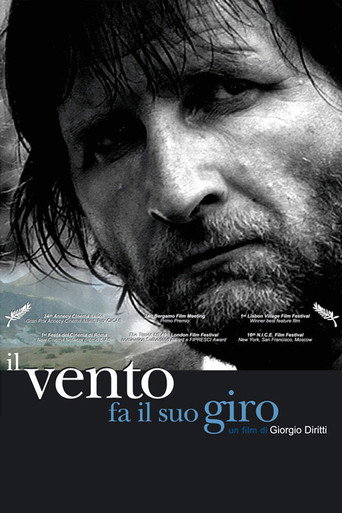
The Wind Blows Round
The aging, conservative population of a small, sleepy village in the Italian Alps are surprised to see that a former French professor has settled there with his young wife and their three children to produce goat cheese, in order to escape the wrongs of civilization. At first they are suspicious of his unconventional ideas and lifestyle, then are conquered by the enthusiasm, kindness, helpfulness of the young family and start to see in them a possible rebirth of the place. But little by little misunderstandings, envy and conflicts take over.
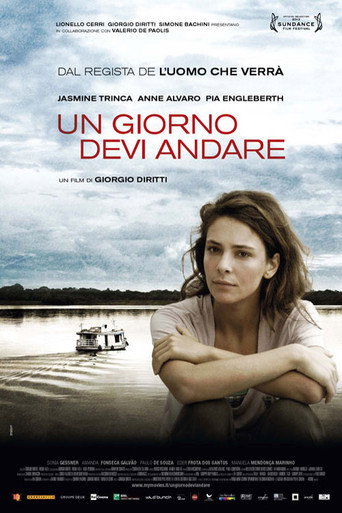
There Will Come a Day
Painful family events lead Augusta to leave Italy. On a small boat, immersed in the Amazon Forest grandness, she begins a travel between Indios villages. From the favela to the isolation in the Forest, Augusta will go in search of herself.
There Will Come a Day
Painful family events lead Augusta to leave Italy. On a small boat, immersed in the Amazon Forest grandness, she begins a travel between Indios villages. From the favela to the isolation in the Forest, Augusta will go in search of herself.
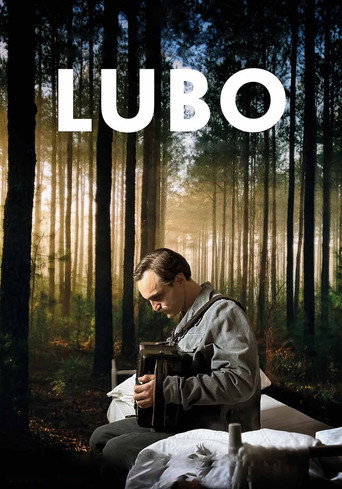
Lubo
Lubo Moser is a jenisch, a gypsy. Mirana, who tried to oppose him, was killed. But how could this have happened? Why? Because Switzerland considers nomadism a social scourge, and, to eradicate it, it takes the children of the jenisch. Thus, without children, the Jenisch will be without a future. The mastermind is a state-run humanitarian institution, Pro Juventute, the arm the Street Children's Work: everything is perfectly legal and there is no opposition to the law. Lubo feels himself dying. And something about him really does die, on that night of wind and snow: it will be a new Lubo, tough and impenetrable, who will set up a project with unexpected implications to avenge his family and his people... and it will lead us to rethink the sense of justice, in the blurred boundaries between good and evil.
Lubo
Lubo Moser is a jenisch, a gypsy. Mirana, who tried to oppose him, was killed. But how could this have happened? Why? Because Switzerland considers nomadism a social scourge, and, to eradicate it, it takes the children of the jenisch. Thus, without children, the Jenisch will be without a future. The mastermind is a state-run humanitarian institution, Pro Juventute, the arm the Street Children's Work: everything is perfectly legal and there is no opposition to the law. Lubo feels himself dying. And something about him really does die, on that night of wind and snow: it will be a new Lubo, tough and impenetrable, who will set up a project with unexpected implications to avenge his family and his people... and it will lead us to rethink the sense of justice, in the blurred boundaries between good and evil.
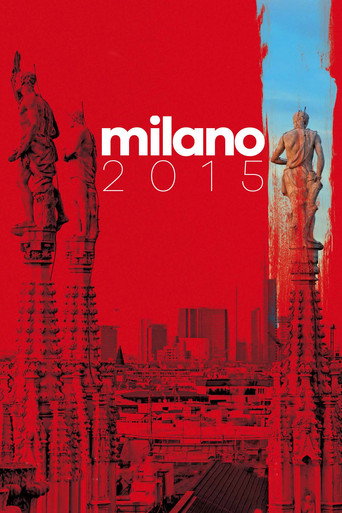
Milano 2015
Six Italian directors explore contemporary Milan in a rich and eclectic portrait of urban life and spaces—both rooted in history and bursting with a diversity of architecture and humanity.
Milano 2015
Six Italian directors explore contemporary Milan in a rich and eclectic portrait of urban life and spaces—both rooted in history and bursting with a diversity of architecture and humanity.
Milano 2015
Six Italian directors explore contemporary Milan in a rich and eclectic portrait of urban life and spaces—both rooted in history and bursting with a diversity of architecture and humanity.
Gallery