Writing
No biography available.
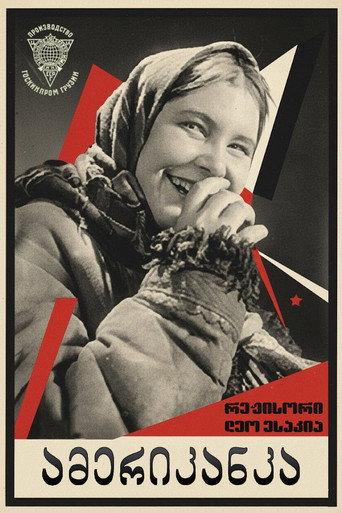
The action of the film takes place during the Russian Revolution of 1905 in Moscow. King Okhranka tries to disrupt the work of the illegal printing press of the Bolsheviks. The small typewriter “Amerikanka” plays the key role in the victory.
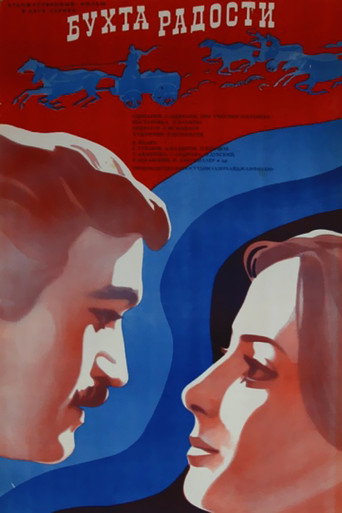
The film is about the first oil-well in the world in the world in the 1920th.
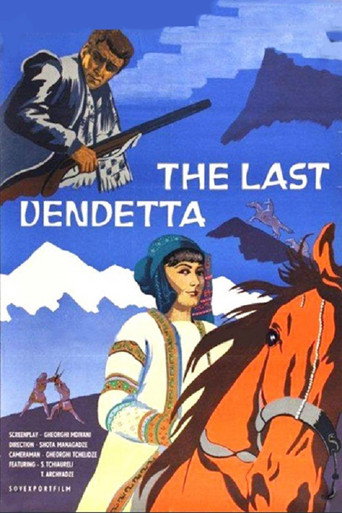
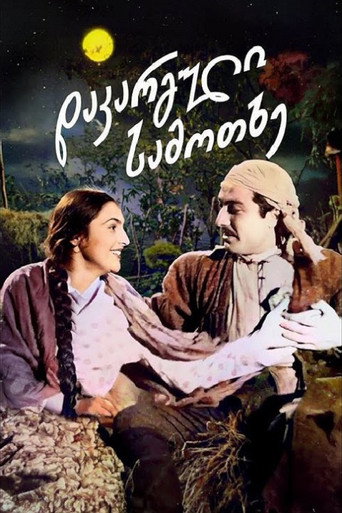
When Imeda’s father is killed in a blood revenge accident, the family moves him to the city where he is sheltered at his father’s friend. After fifteen year he gets back to Khevsureti. A talented painter, he spends most of his time doing sketches of nature and people. There he meets a local beauty, Mzekala and fells in love with her but finds out that Torghva is also in love with her. Enraged by Imeda’s impudence Torghva calls him for a sword fight and is killed by Imeda. To avoid another round of blood revenge, the villagers let Imeda and Mzekala out of the village but someone who wants Imeda’s blood finds it out and follows them.
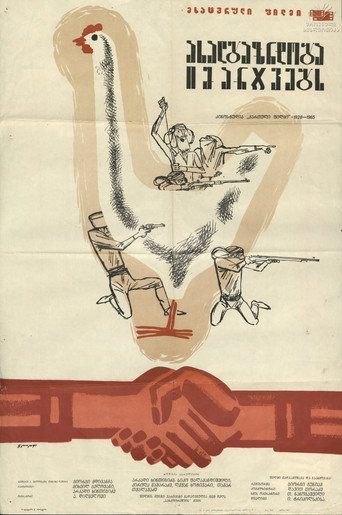
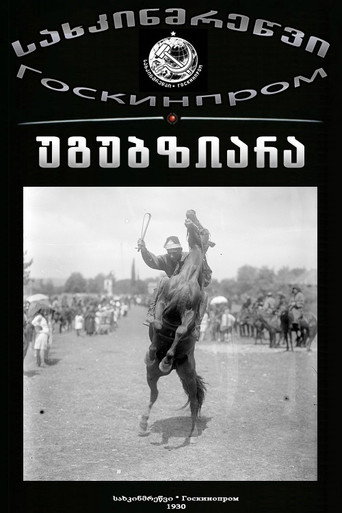
A dead hen becomes a problem between two neighbor families in Ajara (west Georgia). That leads to drama; a young guy is killed in the next quarrel.
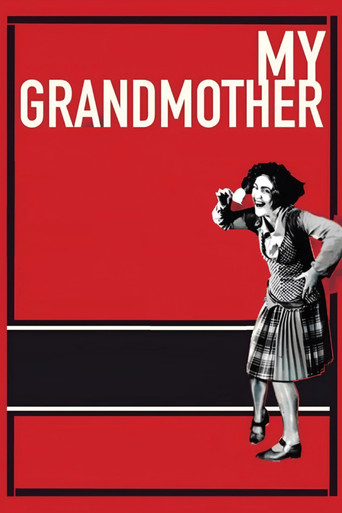
The protagonist, a lazy pen-pusher, gets the sack for his bureaucratic idleness, and learns that the way back into the job market depends on getting a letter of recommendation from a "grandmother"
Joto is a famous doctor in one of the villages of Abkhazia, although he hastened the lives of many sick people with his ignorance. After Joto's next victim, the village communes and the village council decide to build a hospital. Joto is against that idea, but his child's injury will make him change opinion.
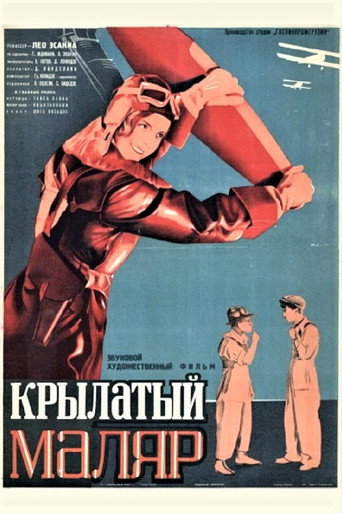
Lexo and Nodar, two house painters, fall in love with Nina, a resident of the house they are painting. In order to keep Nodar out of his way, Lexo suggests that he learn to become a pilot at flying school, but doesn’t know that Nina works as a flight instructor. Lexo pretends to be an experienced pilot. After rescuing a passenger on a damaged plane, Lexo decides to become a professional pilot.
A Soviet drama about class differences in a rural farm town
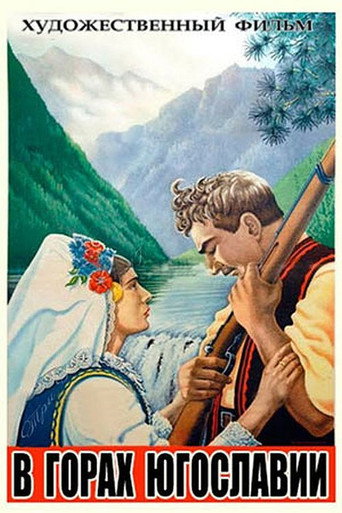
Yugoslav farmer-turned-partisan Slavko Babić starts an uprising against the fascist Germans and their allies.
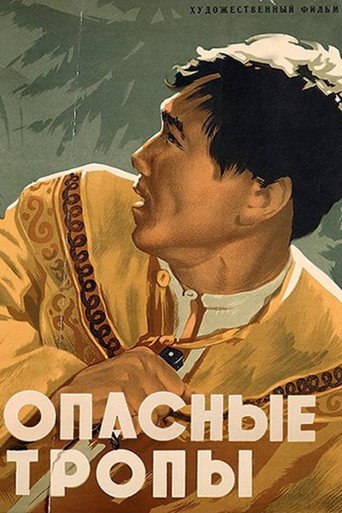
For the third year, the expedition has been searching for the causative agent of an infectious disease rampant in the Ussuri taiga, where a major construction project is about to begin. Meanwhile, the enemy seeks to destroy the fruits of years of labor of Soviet microbiologists. Young scientist Vasily Zheludev exposes a master saboteur and forces him to flee into the taiga.
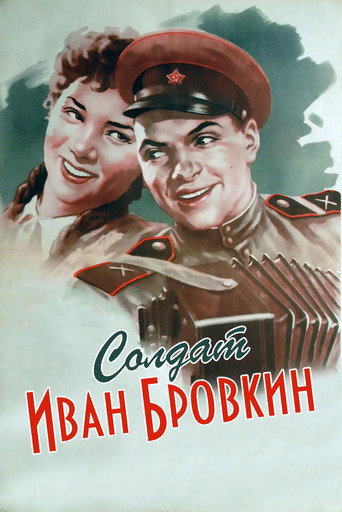
This exhilarating two-part film (“Soldier Ivan Brovkin” and “Ivan Brovkin on the State Farm”) presented to the country a new national hero – kind, modest, charming and… ne’er-do-well. That “ne’er-do-well-ness” proved “Kharitonov’s special key to audiences’ hearts”. Following Brovkin’s appearance on the screen, Kharitonov had become a star of the national cinema, an idol for millions of people. His incredible popularity may be compared to that of another national hero – the world’s first cosmonaut Yuri Gagarin. And not surprisingly, it was Kharitonov who made a cameo appearance going up the festival stairs and followed with the adoring eyes of the heroines in V. Menshov’s Oscar-winning melodrama “Moscow Does Not Believe in Tears”.