Gints Grūbe Movies, TV Shows, and Filmography
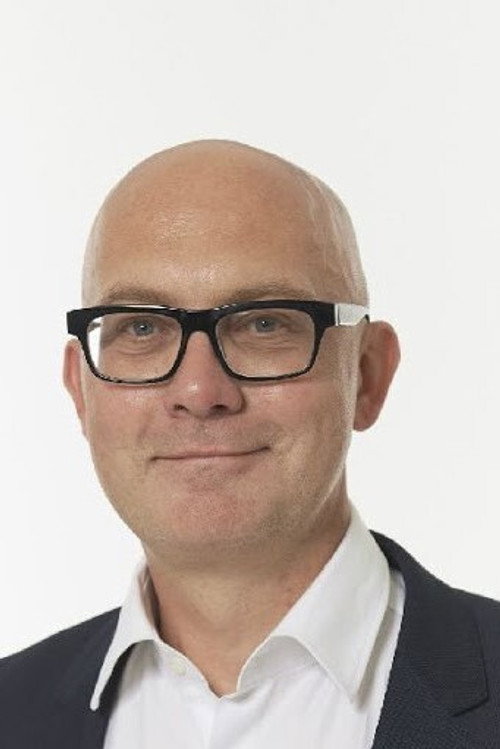
Gints Grūbe
Production
Biography
No biography available.
Filmography Movies
Production
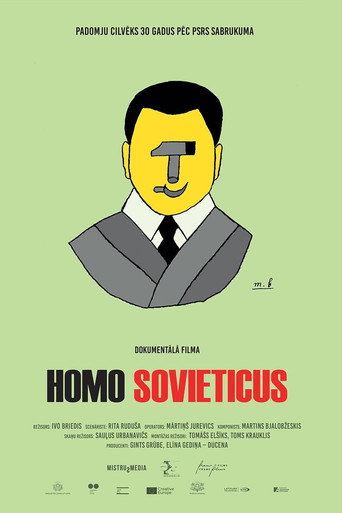
Homo Sovieticus
Almost 30 years after the collapse of the Soviet Union we can observe the return of rhetoric of a strong person of the totalitarian era. Could this be facilitated by the remains of totalitarian subservience in our heads and minds? The Director of the film Ivo Briedis and journalist Rita Ruduša, both born in the USSR, are going on a journey to explore the phenomenon of “Homo Sovieticus” and to discover whether a human being of the totalitarian mindset has specific geographical boundaries.
Homo Sovieticus
Almost 30 years after the collapse of the Soviet Union we can observe the return of rhetoric of a strong person of the totalitarian era. Could this be facilitated by the remains of totalitarian subservience in our heads and minds? The Director of the film Ivo Briedis and journalist Rita Ruduša, both born in the USSR, are going on a journey to explore the phenomenon of “Homo Sovieticus” and to discover whether a human being of the totalitarian mindset has specific geographical boundaries.
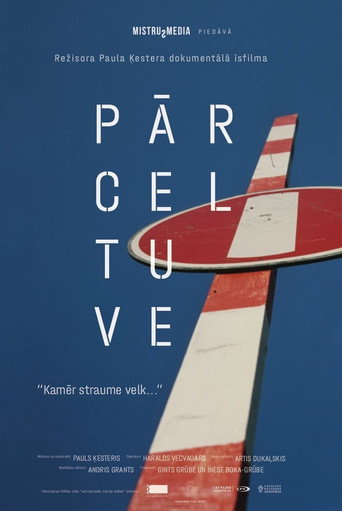
Crossing
Līgatne river ferry crossing takes locals, tourists, passers-by and cars from early spring to the fall over river Gauja. It's the last of what were once many such 'rope ferries' across Gauja, but it remains more than an historical oddity and plays an important part in many lives. At just 12 square meters, the wooden ferry nevertheless encompasses an intriguing and sometimes surprising selection of what constitutes 21st-century Latvia.
Larger than Life
A film about one of Europe's best young theatre directors, Latvian-born Alvis Hermanis, and his distinctive method, marked by a renunciation of classic dramatic material.
Larger than Life
A film about one of Europe's best young theatre directors, Latvian-born Alvis Hermanis, and his distinctive method, marked by a renunciation of classic dramatic material.
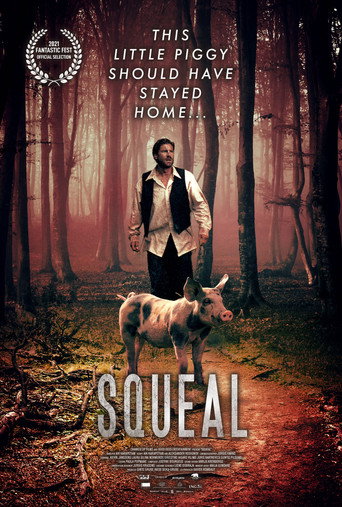
Squeal
Lost in remotest part of Eastern Europe, Sam is a foreigner, searching for his biological father Lagzdins where a minor road accident leads to a chance meeting with a pig-farmer's daughter, who captures him and makes him a forced laborer on the farm.
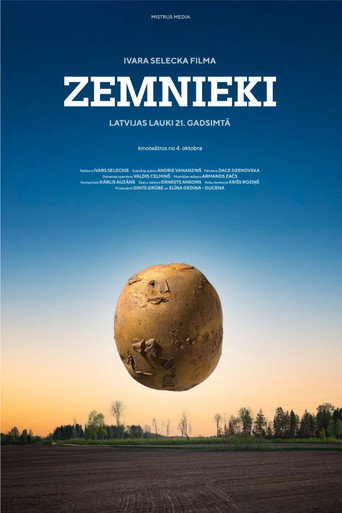
The Land
Through six very different families, documentary “The Land” shows the variety of the countryside in the 21st century, the contradictions of countryside living as well as illusions about farmer’s life. There are various reasons why our protagonists chose to live in the homesteads, away from the hustle and bustle of the city. Some were done with spending too much time in an office, traffic and living a virtual life, they wanted real, tangible things. Some have moved to countryside by their own choice, but some by predisposition of their families. But what unites them all - they aspire for the stability provided by their own land and house. Together with our protagonists, we will spend one year’s cycle of farmer’s life, that will start with the spring sowing and finish with the autumn harvest and land preparation for the next year.
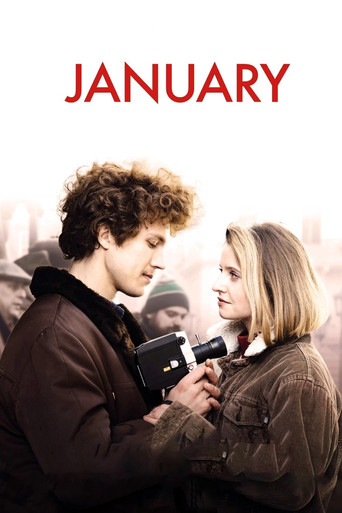
January
It is 1991 in Latvia and nineteen-year-old aspiring cinematographer Jazis’s whole world is thrown into chaos as he is dragged into the people’s peaceful protests against the Soviet Army’s attempted takeover of power in his country.
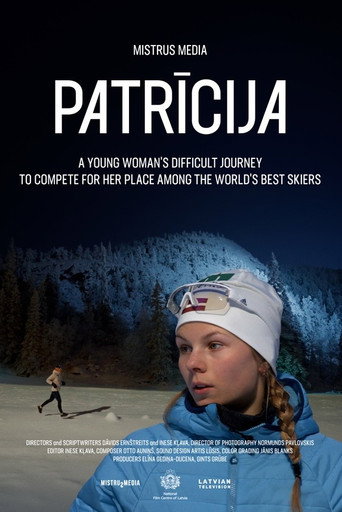
Patrīcija
A story of the journey to success of a young sportswoman who, with the support of her family and great determination, has already become the best Latvian skier of all time and is gradually moving towards her goal - to be among the best cross-country skiers in the world. The film documents the gruelling training, tough competition, sweat, tears and responsibility to her loving family. The film is about a woman who wants to reach the top and is willing to pay the ultimate price by dedicating her youth to the sports.
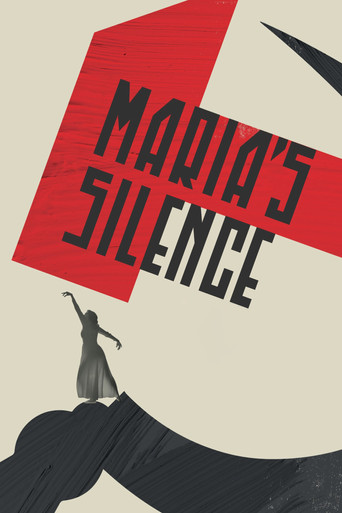
Maria's Silence
In 1937, silent film star Maria Leiko travels to USSR upon learning of the birth of her granddaughter. But when she discovers the tragic circumstances of that event, KGB agents persuade her to remain in the country. Leiko abandons her cinema career to instead join Skatuve, the Latvian State Theatre in Moscow. Soon she discovers that she is being manipulated by the government amid its purges of political enemies. As a network of traitors, informers, and NKVD agents surround her, she must choose between family and career, and between her ideals and the lies of Stalin’s totalitarian regime.
Gallery