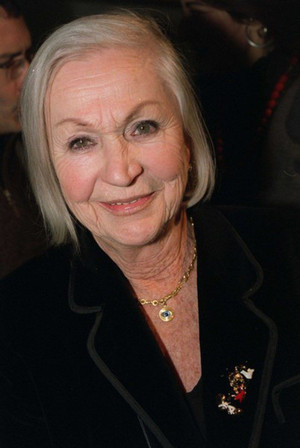
Ginette Garcin Movies, TV Shows, and Filmography
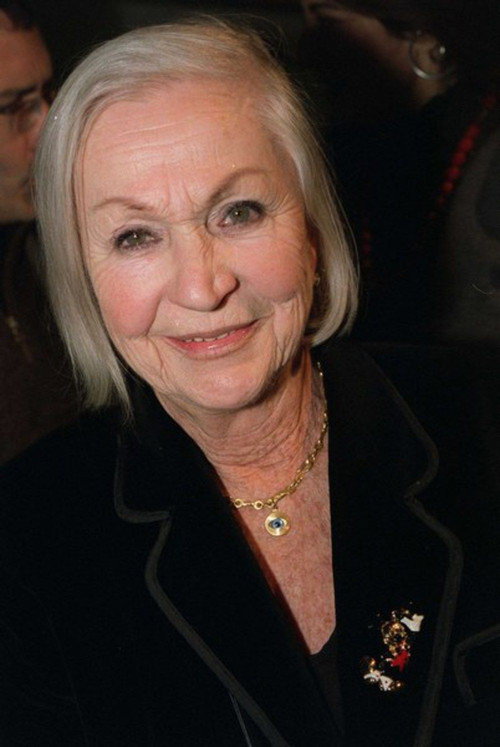
Ginette Garcin
Acting
Biography
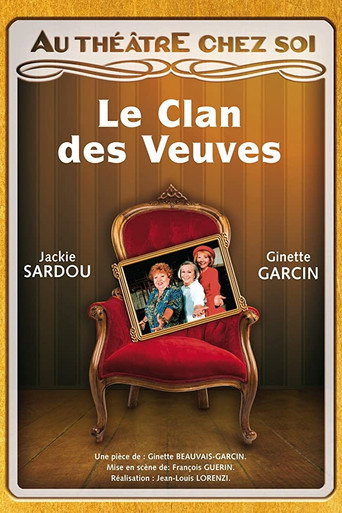
Ginette Garcin (4 January 1928 – 10 June 2010) was a French actress of stage, film and television. She lived in Audresselles, Pas-de-Calais. Ginette Garcin made her musical debut with Jacques Hélian and his orchestra in 1946. She then worked with Loulou Gasté and went on to appear in Strélesky's absurdist theatre revues in Rouen. Her portrayal of Charlot to the music of Deux petits chaussons was very well received. She collaborated with Colette Vudal (who later adopted the name Colette Monroy in Paris), Mona Monick and Robert Thomas, author of some successful detective plays. Garcin was one of the first to perform and record the songs of Boby Lapointe and Jean Yanne in the 1960s. In the 1970s, she embarked on a career in film and theatre, with guidance from Audiard, Lelouch, Yanne, Boisset and Tacchella. She appeared in the television series Marc et Sophie. In 1990, she wrote the critically acclaimed Le clan des veuves in which she starred alongside Jackie Sardou for four years. In 1997, she had an acting and singing role in Le passe-muraille, a musical comedy by Marcel Aymé with Didier van Cauwelaert and Michel Legrand. In her final decade, Ginette Garcin played a character in the television series Famille d'accueil as well as appearing in the films La Beuze and Les Dalton. A new version of Le clan des veuves was staged at the Bouffes-Parisiens theatre in 2006. Also in her later years she appeared in Raphaël Mezrahi's play, Monique est demandée en caisse 12. She died on 10 June 2010 at age 82 of breast cancer. Source: Article "Ginette Garcin" from Wikipedia in English, licensed under CC-BY-SA 3.0.
Filmography Movies
Acting
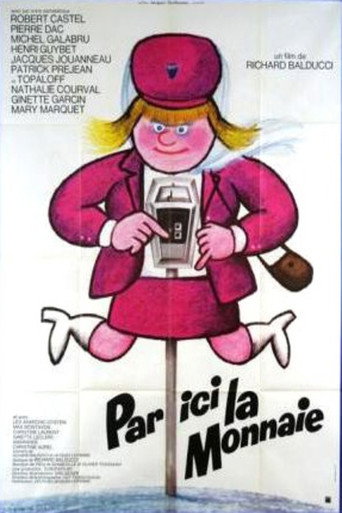
Par ici la monnaie
All the inhabitants of an old house are swindlers, dreaming only of the big score that will enable them to survive an announced eviction. They end up pulling it off together, by building a fake tollgate.
Les Petites Bonnes
Two young maids, in the service of respectable bourgeois, devise various schemes to improve their lot.
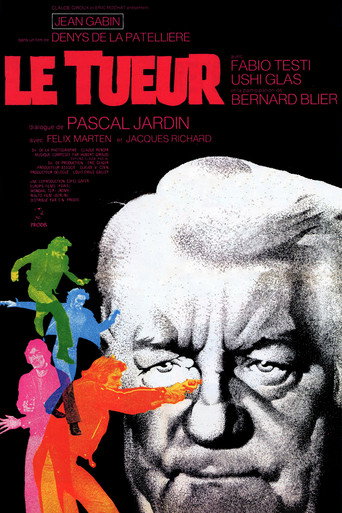
Killer
Whilst being transferred to a psychiatric hospital, a ruthless serial killer Gassot makes a break and goes on the run. He arrives in Marseilles, intending to escape abroad. Here, he falls for a young prostitute, Gerda.
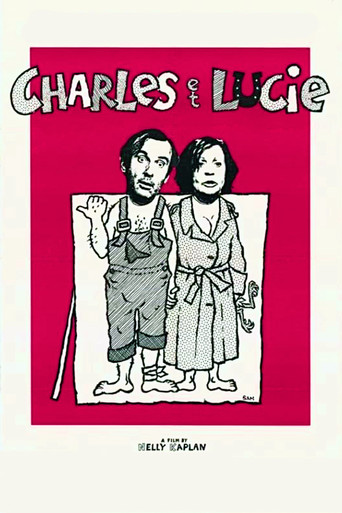
Charles and Lucie
An old and poor couple, Charles and Lucie, scrape by working as a concierge and an untalented antique dealer, respectively. But one day, their dreary daily routine is disrupted by the surprising news that they have inherited a luxurious house in the South of France.
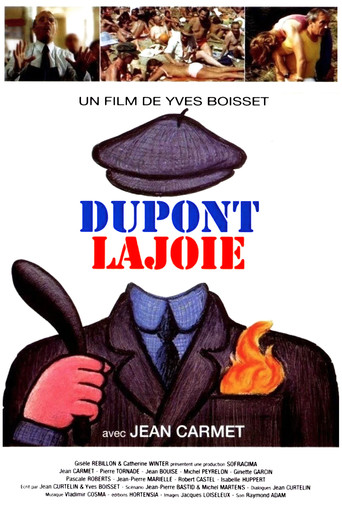
The Common Man
Georges Lajoie is a Parisian café owner. As every summer, Georges, his wife Ginette and grown-up son Léon go on holiday to Loulou's campsite, where they meet up with the Schumacher family (whose father is a bailiff) and the Colin family (who sells bras in the markets). This year, their peace is slightly disturbed by the proximity of a construction site where foreign workers are employed. Xenophobic comments are made. One evening at the ball, a fight breaks out between Lajoie, Albert Schumacher and two algerian immigrant workers...
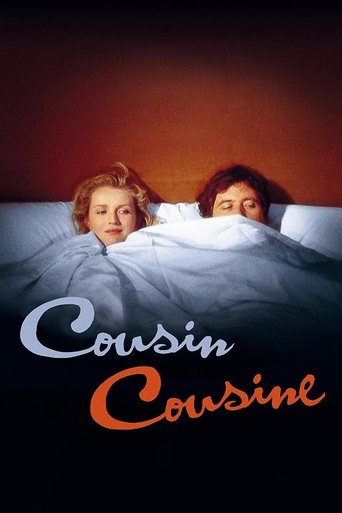
Cousin, Cousine
Two distant cousins meet at a wedding banquet for an elderly couple. Over time, a close friendship develops between them, but their spouses begin to think that they are more than just friends.
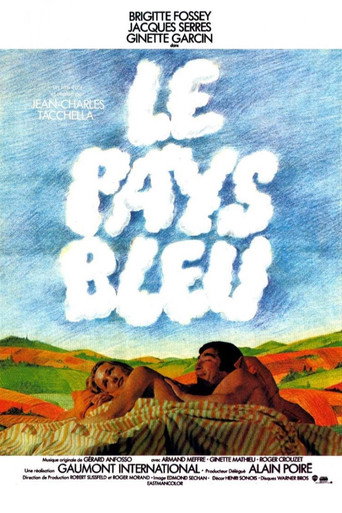
Blue Country
Brigitte Fossey stars as a repressed young nurse who hopes that moving from the city to the country will open up new vistas in her life (thereby reversing the usual country-to-city route of most movie heroines!) She meets and falls in love with bachelor Jacques Serre, likewise a free spirit. Though Fossey and Serre are attracted to one another, both value their freedom too much to make a firm commitment. As they draw closer, the twosome compare their own lifestyles with those of the colorful country folk all around them.

Transfixed
Bo is a transexual prostitute in Brussels who left home after being abused by her father. She's infuatuated with a neighbor and suspected by the police in a series of transexual murders. In order to clear herself she must turn detective.
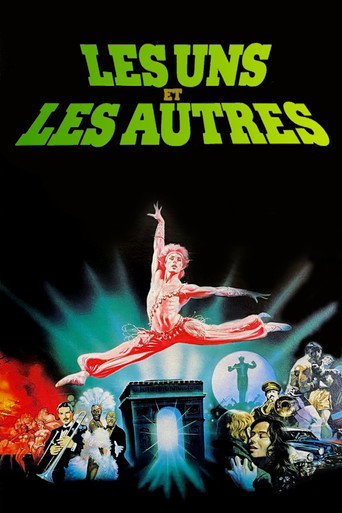
Bolero
The film follows four families, with different nationalities (French, German, Russian and American) but with the same passion for music, from the 1930s to the 1960s. The various story lines cross each other time and again in different places and times, with their own theme scores that evolve as time passes. The main event in the film is the Second World War, which throws the stories of the four musical families together and mixes their fates. Although all characters are fictional, many of them are loosely based on historical musical icons (Édith Piaf, Josephine Baker, Herbert von Karajan, Glenn Miller, Rudolf Nureyev, etc.) The Boléro dance sequence at the end brings all the threads together.
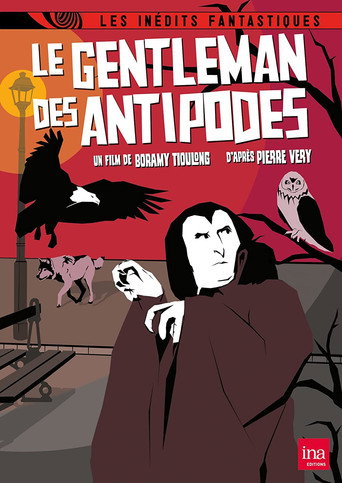
Le Gentleman des Antipodes
Gallery