Gil Cardinal Movies, TV Shows, and Filmography
Gil Cardinal
Directing
Biography
Canadian filmmaker of Métis descent.
Filmography Movies
Acting
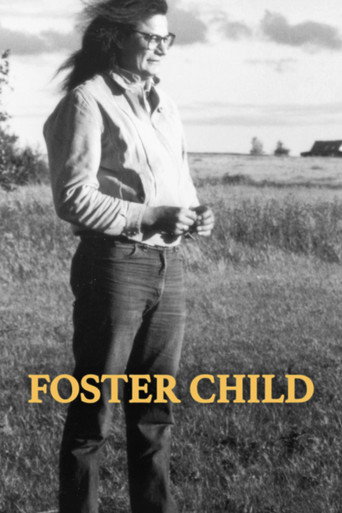
Foster Child
Gil Cardinal searches for his natural family and an understanding of the circumstances that led to his becoming a foster child. An important figure in the history of Canadian Indigenous filmmaking, Gil Cardinal was born to a Métis mother but raised by a non-Indigenous foster family, and with this auto-biographical documentary he charts his efforts to find his biological mother and to understand why he was removed from her. Considered a milestone in documentary cinema, it addressed the country’s internal colonialism in a profoundly personal manner, winning a Special Jury Prize at Banff and multiple international awards.
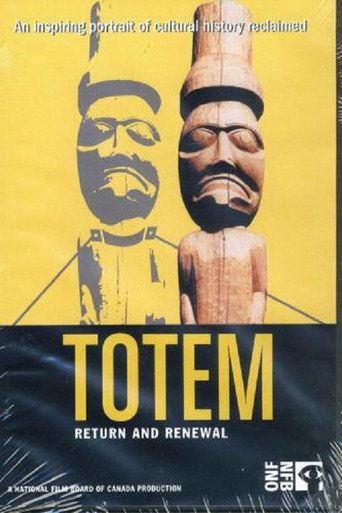
Totem: Return and Renewal
In this follow-up to his 2003 film, Totem: the Return of the G'psgolox Pole, filmmaker Gil Cardinal documents the events of the final journey of the G'psgolox Pole as it returns home to Kitamaat and the Haisla people, from where it went missing in 1929.
Tikinagan
Tikinagan is a no-holds-barred account of the difficulties along the path to Native self-determination. Tikinagan is the Ojiubway word for cradleboard... the indigenous device in which babies are carried on a parent's back. Tikinagan is also the name of a revolutionary Native child-care agency operating out of Sioux Lookout, Ontario. Tikinagan workers know that the welfare of the children in their remote northwestern Ontario communities is in peril and needs special help. They still encounter the residue of bitterness and distrust left after years of conflict with provincial child welfare agencies. They have let their story be told in a film that is honest and uncompromising. Source: 1999 imagineNATIVE Catalogue
Production
Tikinagan
Tikinagan is a no-holds-barred account of the difficulties along the path to Native self-determination. Tikinagan is the Ojiubway word for cradleboard... the indigenous device in which babies are carried on a parent's back. Tikinagan is also the name of a revolutionary Native child-care agency operating out of Sioux Lookout, Ontario. Tikinagan workers know that the welfare of the children in their remote northwestern Ontario communities is in peril and needs special help. They still encounter the residue of bitterness and distrust left after years of conflict with provincial child welfare agencies. They have let their story be told in a film that is honest and uncompromising. Source: 1999 imagineNATIVE Catalogue
John Cat
Three native Canadians find a boy on the side of a highway who had been struck by a speeding driver.
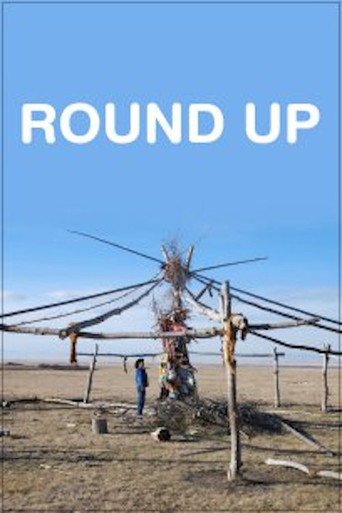
Round Up
This short film traces Pete Standing Alone's personal journey from cultural alienation to pride and belonging. As a spiritual elder, teacher and community leader of the Blood Indians of Southern Alberta, Pete works with youth to repair the cultural and spiritual destruction wrought by residential schools. At age 81, he has come full-circle in his dedication to preserving the traditional ways of his people.
Round Up
This short film traces Pete Standing Alone's personal journey from cultural alienation to pride and belonging. As a spiritual elder, teacher and community leader of the Blood Indians of Southern Alberta, Pete works with youth to repair the cultural and spiritual destruction wrought by residential schools. At age 81, he has come full-circle in his dedication to preserving the traditional ways of his people.
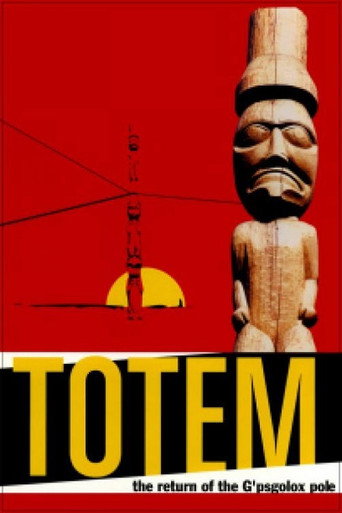
Totem: The Return of the G'psgolox Pole
This feature-length documentary traces the journey of the Haisla people to reclaim the G'psgolox totem pole that went missing from their British Columbia village in 1929. The fate of the 19th century traditional mortuary pole remained unknown for over 60 years until it was discovered in a Stockholm museum where it is considered state property by the Swedish government. Director Gil Cardinal combines interviews, striking imagery and rare footage of master carvers to raise questions about ownership and the meaning of Aboriginal objects held in museums.
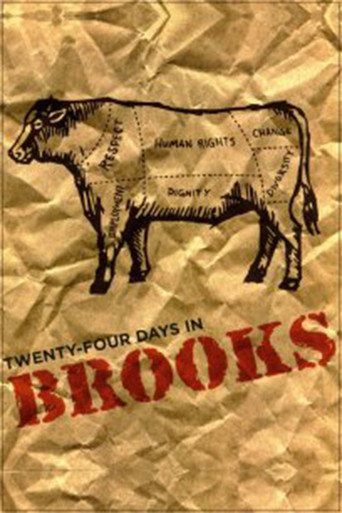
24 Days in Brooks
Over the course of a decade Brooks, Alberta, transformed from a socially conservative, primarily white town to one of the most diverse places in Canada as immigrants and refugees flocked to find jobs at the Lakeside Packers slaughterhouse. This film is a portrait of those people working together and adapting to change through the first-ever strike at Lakeside.
Totem: The Return of the G'psgolox Pole
This feature-length documentary traces the journey of the Haisla people to reclaim the G'psgolox totem pole that went missing from their British Columbia village in 1929. The fate of the 19th century traditional mortuary pole remained unknown for over 60 years until it was discovered in a Stockholm museum where it is considered state property by the Swedish government. Director Gil Cardinal combines interviews, striking imagery and rare footage of master carvers to raise questions about ownership and the meaning of Aboriginal objects held in museums.
Foster Child
Gil Cardinal searches for his natural family and an understanding of the circumstances that led to his becoming a foster child. An important figure in the history of Canadian Indigenous filmmaking, Gil Cardinal was born to a Métis mother but raised by a non-Indigenous foster family, and with this auto-biographical documentary he charts his efforts to find his biological mother and to understand why he was removed from her. Considered a milestone in documentary cinema, it addressed the country’s internal colonialism in a profoundly personal manner, winning a Special Jury Prize at Banff and multiple international awards.
Foster Child
Gil Cardinal searches for his natural family and an understanding of the circumstances that led to his becoming a foster child. An important figure in the history of Canadian Indigenous filmmaking, Gil Cardinal was born to a Métis mother but raised by a non-Indigenous foster family, and with this auto-biographical documentary he charts his efforts to find his biological mother and to understand why he was removed from her. Considered a milestone in documentary cinema, it addressed the country’s internal colonialism in a profoundly personal manner, winning a Special Jury Prize at Banff and multiple international awards.
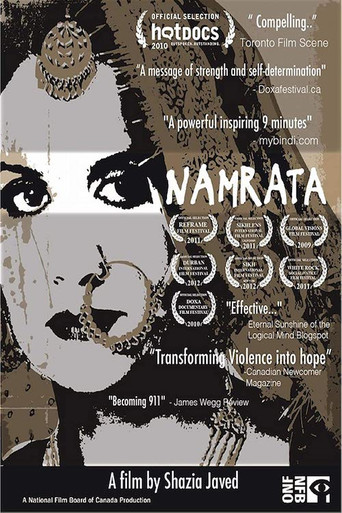
Namrata
This short documentary tells the intensely personal story of Namrata Gill – one of the many real-life inspirations for Deepa Mehta’s Heaven on Earth – in her own words. After six years, Gill courageously leaves an abusive relationship and launches a surprising new career.