Acting
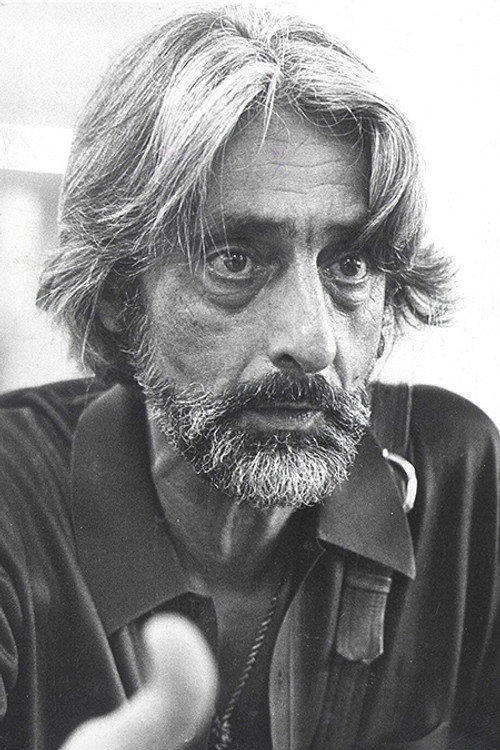
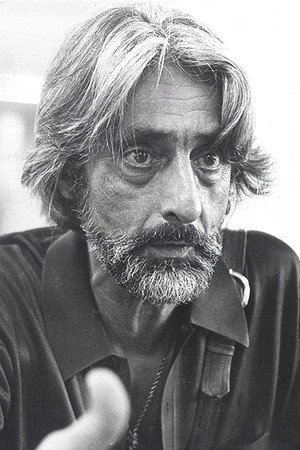
Gianni Ratto (Milan, 27 August 1916 – São Paulo, 30 December 2005) was an Italian director, set designer, lighting designer, costume designer, writer and actor.
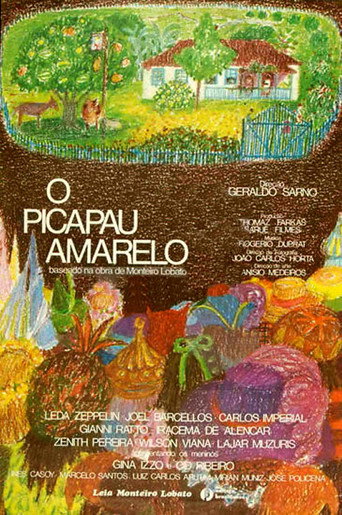
The Viscount of Sabugosa is locked in the library writing an encyclopedia about the characters in children's fables. Dona Benta receives a letter from little Thumb, written on a rose petal, in which he, realizing that the inhabitants of the world of fables are forgotten in the books on the shelves, requests that everyone live in Sítio do Picapau Amarelo. Emília and the children love the idea, and Dona Benta says yes. They move
On a Saturday morning, an advertising crew arrives at a decadent old building downtown São Paulo to shoot a TV commercial. And then everything goes wrong, beginning with a broken elevator
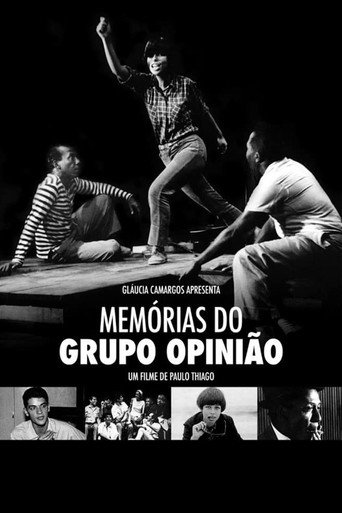
Follows the story of Opinião, a theatre group created in 1964 during the early Brazilian dictatorship period to oppose the government through artistic performances. Considered the first left-wing response to the dictatorship, the group gathered now famous Brazilian artists such as Nara Leão, Maria Bethânia, João do Vale and Millôr Fernandes.
Two women from Méier, a suburban neighborhood of Rio de Janeiro, marry wealthy men who suddenly become millionaires. Displaced from their original social background and unsuited to wealth, the two wives must devise a plan to, acting like socialites, win over high society and win back their husbands.
A famous actor believes he has totally mastered his craft. A young and talented actress is open to new challenges. They meet, and confront each other; on, and off the stage. From his personal and artistic lethargy, he sees the possibilities of a new beginning, new opportunities, after starting to see her. The story unravels, as the title states, "behind the curtain."
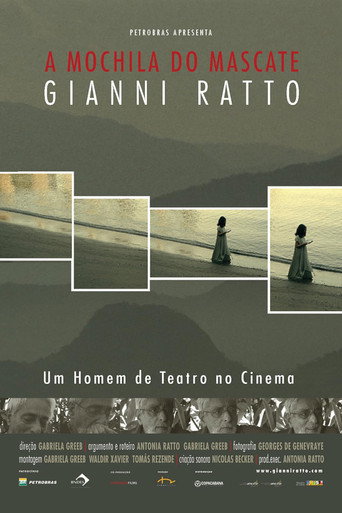
From Italian set designer to Brazilian stage director, Gianni Ratto, born in Italy in 1916 and based in Brazil since 1954, retraces the geographical path of his life, accompanied by his daughter, passing through Genoa, Milan, Florence, São Paulo, and Rio de Janeiro, visiting places and people who marked his journey. At each encounter, Gianni speaks of his work and reveals the ideas of someone who not only executes but also thinks about theater from a humanist perspective.