Acting
No biography available.
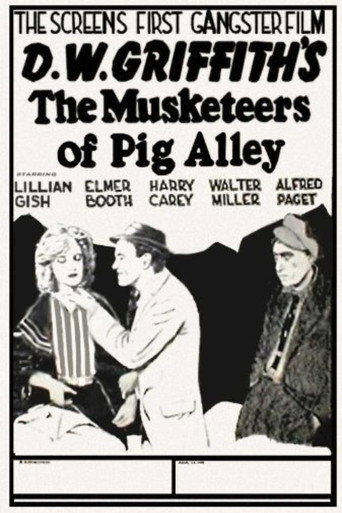
A man recognizes the thief who had previously robbed him as one of the men involved in an unrelated mob shootout.
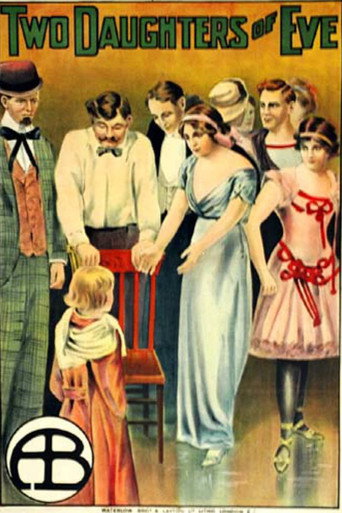
Calumny is one of the most despicable crimes against our neighbor, and while the wife in this story acted conventionally, she nevertheless maligned the other woman simply because of her profession, an actress. While out on a shopping tour, the wife and her husband enter a store, leaving their little child in the auto in the care of the chauffeur. This gentleman pays but scant attention to the child, so the little one wanders off and strolls into the stage door of a theater during the matinee. The parents upon their return to the auto discover the child's absence and trace him to the theater stage, where they find him in the arms of one of the show girls. The mother matches the child from the girl's arms, scornfully exclaiming, "How dare you contaminate my child with your touch?" For this remark, together with the derisive laughter it occasions, the girl vows to be avenged.
His dumb grief was mistaken for indifference at his mother's death-bed, but it was the non-committal lady who learned the truth. The favorite son came to woo and win her. She made fine biscuits. In the end, as is quite apt to be the case, the lady gave up herself and her accomplishments in a way quite unexpected.
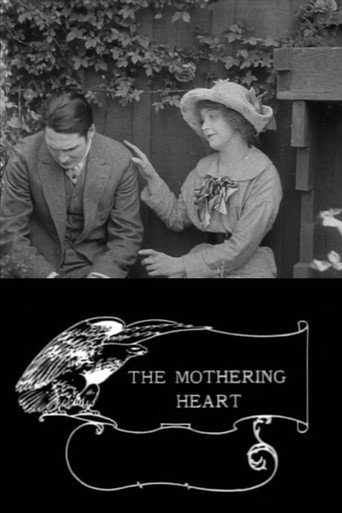
A young couple struggle to get ahead, the wife always assuaging the troubles of her melancholy husband. As he climbs the ladder of success, he abandons the homely values and begins an affair with a beautiful woman. His wife leaves him, returning to her mother's home where she bears a child. When the husband is abandoned by his lady friend, remorse drives him to find his wife.
This is the story of Gato, an Italian immigrant, who lives with his wife, Marie, and his younger brother, Giuseppe, on a small truck farm in the west. Gato becomes so intent on his work that he neglects to show his wife the little attentions she demands. A foppish wandering Italian, Sandro, sees in this an opportunity to work his ends, but is prevented by the timely interference of Giuseppe.
Griffith adapts the story of the Apocryphal Book of Judith to the screen. During the siege of the Jewish city of Bethulia by the Assyrian tyrant Holofernes, a widow named Judith forms a plan to stop the war as her people suffer in starvation, nearly ready to surrender.
Rose and her cousin Mary dwell in the land of romance, but real Romeos are scarce in this prosaic age. Yet Rose, in spite of a gay young Lothario who steps in the way of her own true love, finds her way to love-land. That was where Mary's perfidy came in. It showed up Lothario's true character, while at the same time it brought Mary back to her own determined young lover.
Two wives of Jenksville at least did not intend their husbands should be corrupted by the arrival of these enticing ladies in town. That show should be investigated. It resulted in their becoming one of the sensations of the performance, while the husbands became an awful example.
Behold in this film the villain up to his dirty work again, but if you watch the persistent young hero carefully, you will see him gallantly rescue the lady in black about to be burned at the stake, while at the same time he saved the fair heroine from the mad ambition of her father about to marry her to the dastardly ex-governor of Utah.
In spite of their oversupply of energy, their Pa-to-be just doted on the kids. The fascinating traveling salesman, who won away their fickle Ma, did not, but through the widow's deception, the kids won the parent of their hearts.
The story of a poor young woman, separated by prejudice from her husband and baby, is interwoven with tales of intolerance from throughout history.