Gertraud Kreissig Movies, TV Shows, and Filmography
Gertraud Kreissig
Acting
Biography
No biography available.
Filmography Movies
Acting
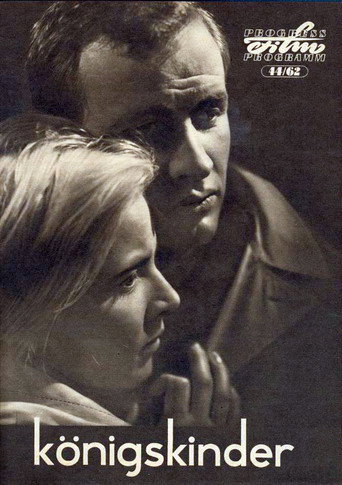
Star-Crossed Lovers
Magdalena and Michael have loved each other since they were children. But when the Nazis come to power, Michael rebels against the regime and is sentenced to fifteen years in a concentration camp. Magdalena, meanwhile, goes underground with the help of a friend and later immigrates to the Soviet Union. Michael, who has joined the Red Army, discovers on the way to Moscow that Magdalena is staying there. But when his plane lands, she is already on her way back to Germany. Michael hopes that one day, he and Magdalena will be reunited.

The Man with the Objective Lens
A humorous and satirical comedy, which places a man from the year 2222 one day in the (then) present day life in GDR, East Germany under Communist regime. Using a crystal for mind reading he uncovers some improprieties and moral weaknesses in the "Beautiful future" professed by VEB ("Volkseigener Betrieb" – "State Owned Holdings").
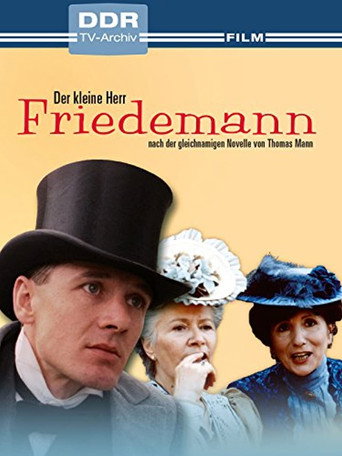
Der kleine Herr Friedemann
The Lübeck merchant Friedemann owes his crippled figure to a wet nurse "devoted to drink". He lives a secluded life with his three simple-minded sisters and his bedridden mother, loving only the theater and music. Only Gerda, the unhappy wife of the district commander of Rinnlingen, makes him blossom...
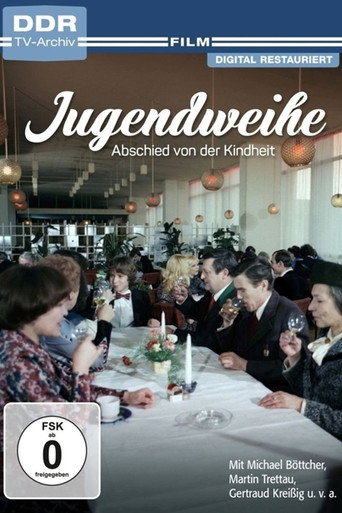
Jugendweihe
Every year in the spring the pupils of the 8th grade in the GDR receive the 'Jugendweihe' and are admitted to the circle of adults. This year, Tim is ready. For him and his classmates, the day begins with a ceremony in the culture house, then he goes with the whole family in a hotel restaurant, to celebrate the event properly.
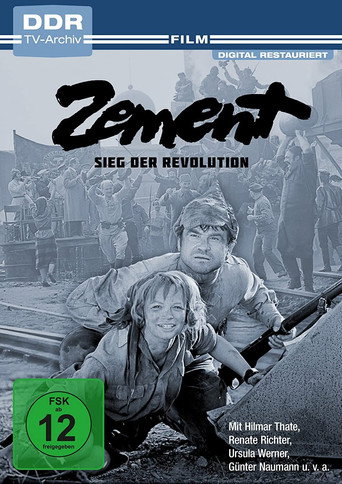
Zement
Early 1921: a man is on his way home. Gleb Chumalov, regimental commander, worker and Hero of the Order of the Red Banner, returns to his home town from the Civil War. The victory over the enemies of the Russian people gives him the conviction that a new, better time will dawn overnight. Gleb looks for his comrades from earlier years, but only finds people who are emaciated by their efforts. The cement works where he used to work has been plundered and abandoned. With great effort, Gleb and his comrades try to get the plant up and running again. The struggle seems to begin anew... It is the time after the victory of the “Great October Socialist Revolution“ and the time of building a new society.
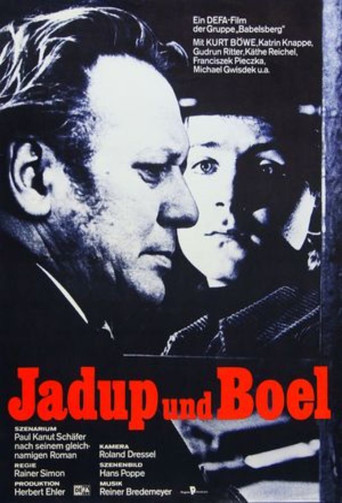
Jadup and Boel
In a small town, everyone has tried to forget what happened shortly after WWII. That is, until a stranger finds a book that Jadup (Kurt Böwe) gave to the young refugee Boel (Katrin Knappe), who resettled in the town over 30 years ago. Painful memories about Boel and the post-war period begin to surface and shake up the whole town. Boel vanished back then and nobody knew why. Word spread about a rape and some tried to blame a Russian soldier. Jadup, the town's respected and popular mayor, remembers, though, how he mistrusted Boel and did not help her through this difficult time; HE didn't even notice THAT Boel loved him. Jadup's confrontation with the past gives him a new, critical view of his current situation and surroundings.
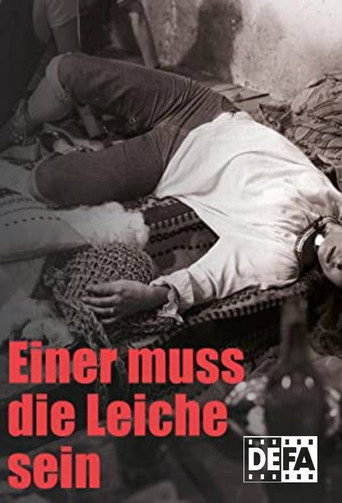
Einer muß die Leiche sein
A group of tourists from the GDR spend their holiday at the coast of Bulgaria. When making a trip to a small fisher house, they have to stay they night, because the ship's motor broke down. One of the group proposes a game: Someone has to be a corpse, one the detective and another one the murderer. But shortly after starting the game the "corpse" has vanished only to befound at the foot of the nearby cliff - being dead for real. Now the group start their investigation...
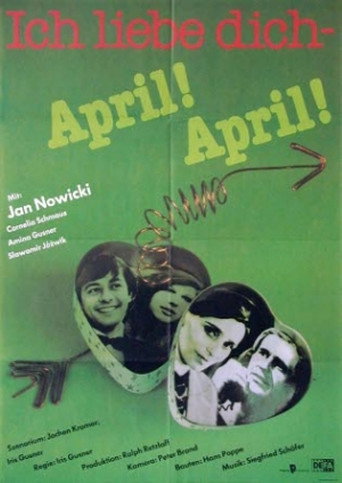
Ich liebe dich - April! April!
The law student Caroline and the assistant professor Tom are husband and wife, but they keep their marriage a secret. While Caroline is afraid of annoying her mother Hella who ever since her divorce twenty years ago distrusts men in general, Tom dreads the criticism of his professor, a family law specialist who objects to the concept of marriage. By chance, Caroline gets hold of some juicy information: Her mother and the professor used to be a couple and she is their child. With almost missionary zeal she addresses herself to the task of convincing the two grown-ups to get back together. In the process, however, she steers both her academic studies and her own marriage into a crisis.
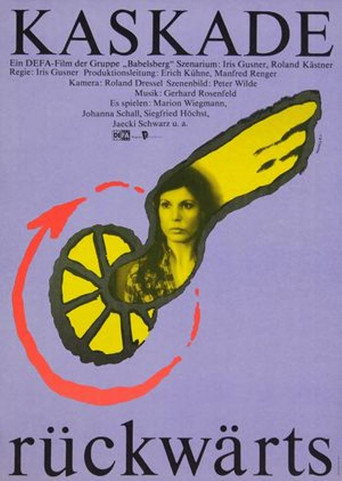
Cascade Backwards
Maja Wegner is in her late thirties and a single mother of a teenage daughter. To give her stale life a new direction, she decides to start all over again in the big city. She sells her house in the countryside, quits her job, and moves with her daughter to Berlin. There, she finds a job as a conductor for the railroad company. Although Maja soon finds new friends in her apartment building, the search for a new life partner does not come off so easily.
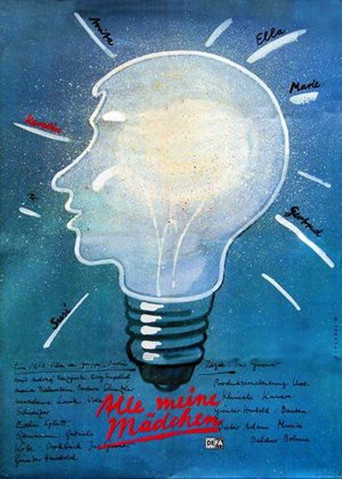
All My Girls
Ralf Paeschke is a film student who has to make a documentary film about a group of women working in a lamp factory. There is brazen Susie, mischievous Kerstin, lonely Anita, single Ella, withdrawn Gertrud and the imposing forewoman. When Kerstin is suspected of stealing, tension among the women mounts. Ralf demands that things be clarified, and his film plays an unexpected role in the matter.