Sound
No biography available.
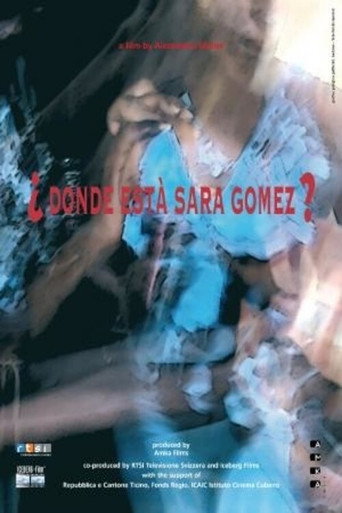
Born in 1943, Sara Gómez studied literature, piano, and Afro-Cuban ethnography before becoming the first female Cuban filmmaker. A woman of great intelligence, independence and generosity, she was a revolutionary filmmaker with intersecting concerns about the Afro-Cuban community and the value of its cultural traditions, women's issues, and the treatment of the marginalized sectors of society.
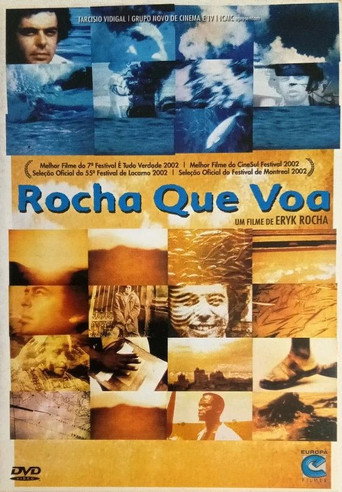
Documentary about the relationship between filmmaker Glauber Rocha and Cuba.
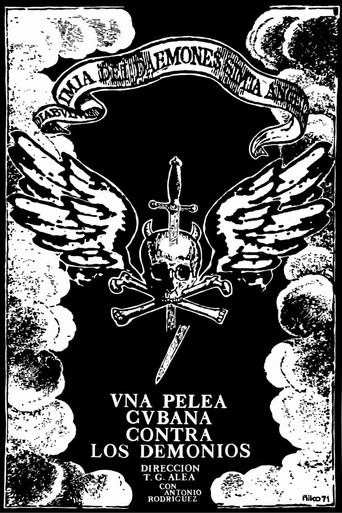
In 1672 Cuban revolutionaries launch an uprising against the Spanish who are occupying the country. Preserved by the Academy Film Archive in 2017.
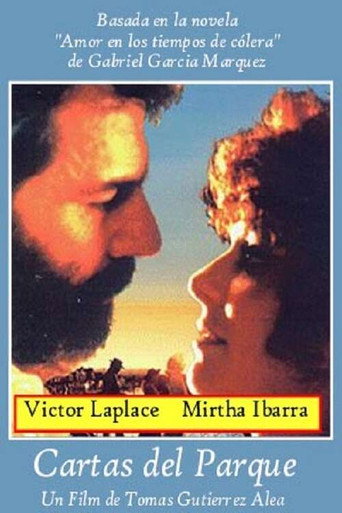
Matanzas, Cuba, 1913. Two young people who are in love communicate through letters written by penman. When the young man leaves town, to become a pilot, the girl discovers she is really in love with the one who wrote the letters.
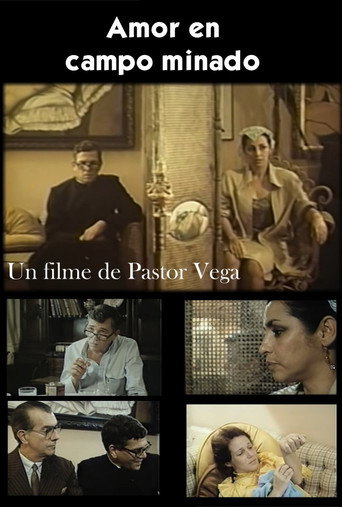
A left-wing intellectual, faced with the imminence of his arrest during the coup d'état against President Joao Goulart, lives anguished moments of definition. To the collapse of his small universe is added a conjugal confrontation that unmasks him mercilessly.
The film is based on the historical event known as the Protest of Baraguá.
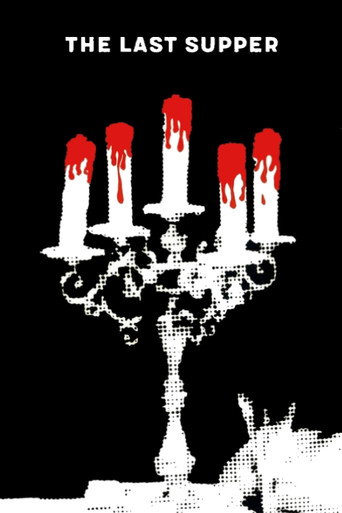
A pious plantation owner attempts to teach Christianity to 12 of his slaves by inviting them to participate in a reenactment of the Last Supper.
An approach to a living myth of dance, Alicia Alonso, from the viewpoint of her passion, tenacity and devotion to art. It includes fragments of the ballet Giselle, choreographed by her, based on the original by Jean Coralli and Jules Perrot, and of La Diva, choreographed by Alberto Méndez.
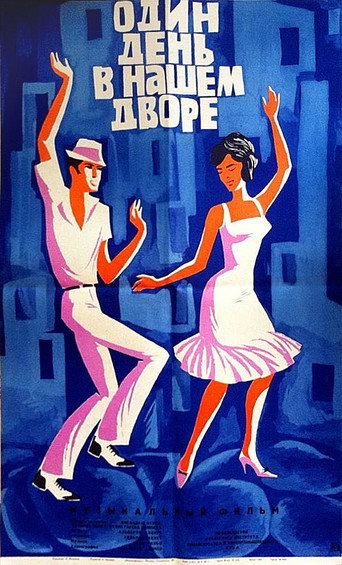
The daily life of the residents of one house, most of whose lives, in accordance with the customs of southern countries, take place in the courtyard, reflects the national character, the customs of the common people, their talent, and, most importantly, the new things that each new day brings to life in Cuba in the 1960s.
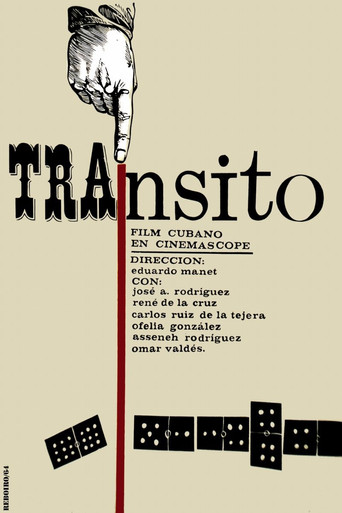
A doctor committed against the revolution decides to escape in a boat. A criminal friend introduced him to a modest revolutionary family to cover it up. During the events aspects of a society in transition are reflected.
In Miraflores, Cuba, the growing romance between Mario, a factory worker, and Yolanda, a schoolteacher, throws into relief the differences in their perspectives and values in Revolutionary Cuba.
Engineer Mario Camargo, originally from Argentina, arrives in Cuba to work on the construction of a new industrial complex. He came from France, where he had lived most of his life. Mario had never thought about what homeland meant to him. He had always lived wherever he felt comfortable. In Cuba, Mario meets architect Marta Alea, a passionate patriot who devotes all her energy and abilities to building a new life. Seeing the enthusiasm of Marta and her friends, their devotion to the ideas of the revolution, Mario realizes that in our days, when the face of the world is changing, one cannot be a man without a homeland.